
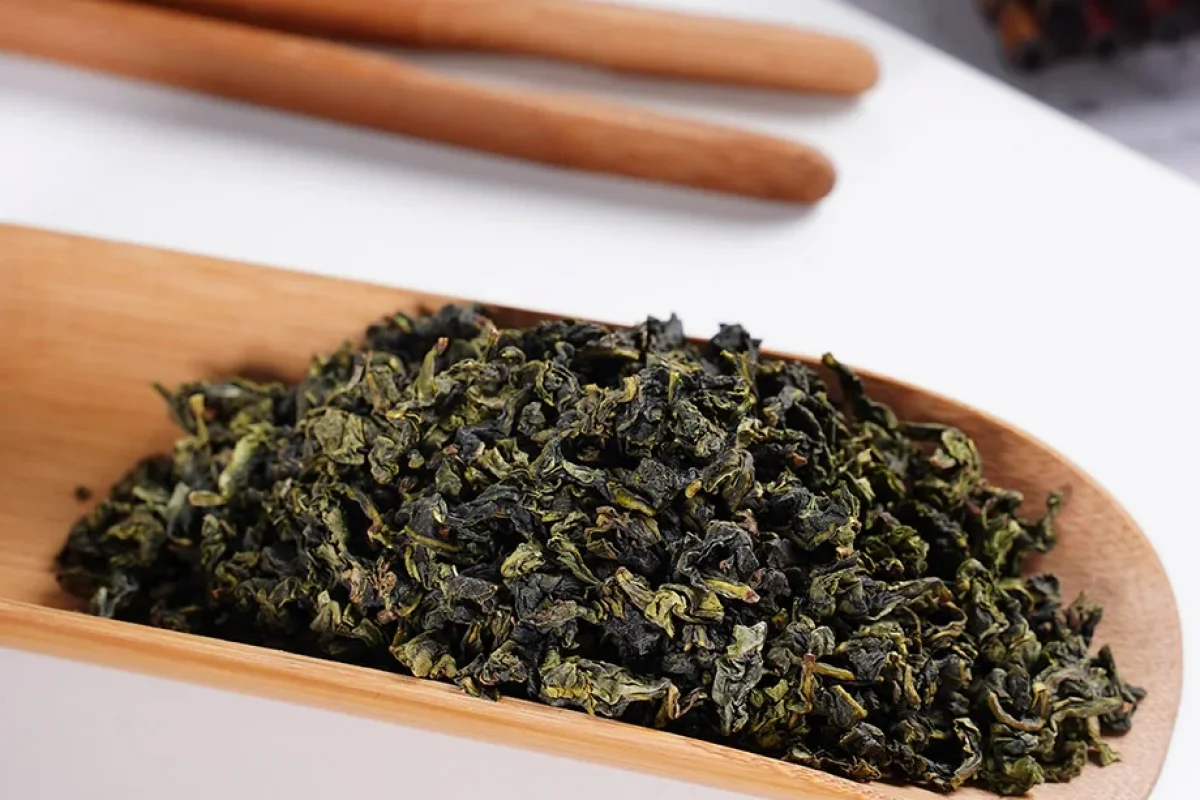
“Single origin” shows up on tea packaging constantly, next to “premium” and “artisan,” and it means almost nothing on most of those bags. A real single-origin claim names three things: one farm or mountain, one region, one harvest window. If a brand can’t name those, the tea behind the label is a blend, no matter what the tin says.
Hence Tea can name them, because it buys every tea in the catalog direct from a specific farm in a specific region during a specific picking window. That’s what the term is supposed to guarantee, and what to check before anyone else’s “single origin” claim earns your money.
The three things a single-origin claim has to name
A tea only qualifies as single origin when it passes all three checks:
- One farm or mountain. Not “sourced from Yunnan” in the abstract, but a named mountain like Jingmai, or a named farm relationship. The tea can be traced to one plot of tea trees, not a pool of leaf bought from a regional co-op and mixed together.
- One region. Wuyi Shan rock oolong stays Wuyi Shan. Huangshan green tea stays Huangshan. The moment a blend crosses regions to hit a flavor profile or a price point, the single-origin claim is gone.
- One harvest window. Tea picked in April tastes different from tea picked in June, even from the same bushes. A single-origin tea comes from one picking, not leaf from three harvests blended to smooth out inconsistency.
Miss any one of the three and the tea is a blend with a good story attached, not single origin.
This matters more for tea than for most food and beverage categories, because tea is unusually sensitive to all three variables at once. Move the same cultivar fifty miles and the mineral content of the soil changes the cup. Pick the same bush three weeks later and the amino acid balance shifts enough to taste it. Coffee has some of this sensitivity; wine has more of it. Tea sits near the top, which is exactly why the “single origin” claim carries real weight when it’s true, and why it’s worth calling out when it isn’t.
Why most tea on shelves isn’t single origin
Commodity tea is built to be blended. Large flavor houses buy leaf from dozens of estates and multiple harvest cycles across a season, then mix it to hit a consistent flavor target batch after batch. That’s the entire point: predictability. A customer buying a tin off a grocery shelf gets the same cup every time, because the blend is engineered to taste the same regardless of which farm or which month the leaf came from.
There’s nothing dishonest about that model on its own. Blending is a legitimate, centuries-old practice, and it’s how most of the world’s tea gets made affordable and consistent.[1] The problem is the word “single origin” showing up on packaging that describes exactly that blended process. It borrows the credibility of a real single-farm, single-harvest tea without doing the sourcing work behind it.
Sourcing single origin at scale is also harder and less forgiving. A blender who runs short on one estate’s leaf can substitute from another estate and adjust the mix until the target flavor comes back. A single-origin buyer can’t do that. If Jingmai Mountain has a light year, the answer is a smaller lot, not a swap-in from a different mountain that happens to taste similar. That constraint is the tradeoff: less volume flexibility, more traceability, and a cup that reflects one place instead of an average of several.
Single origin in practice: five Hence teas that qualify
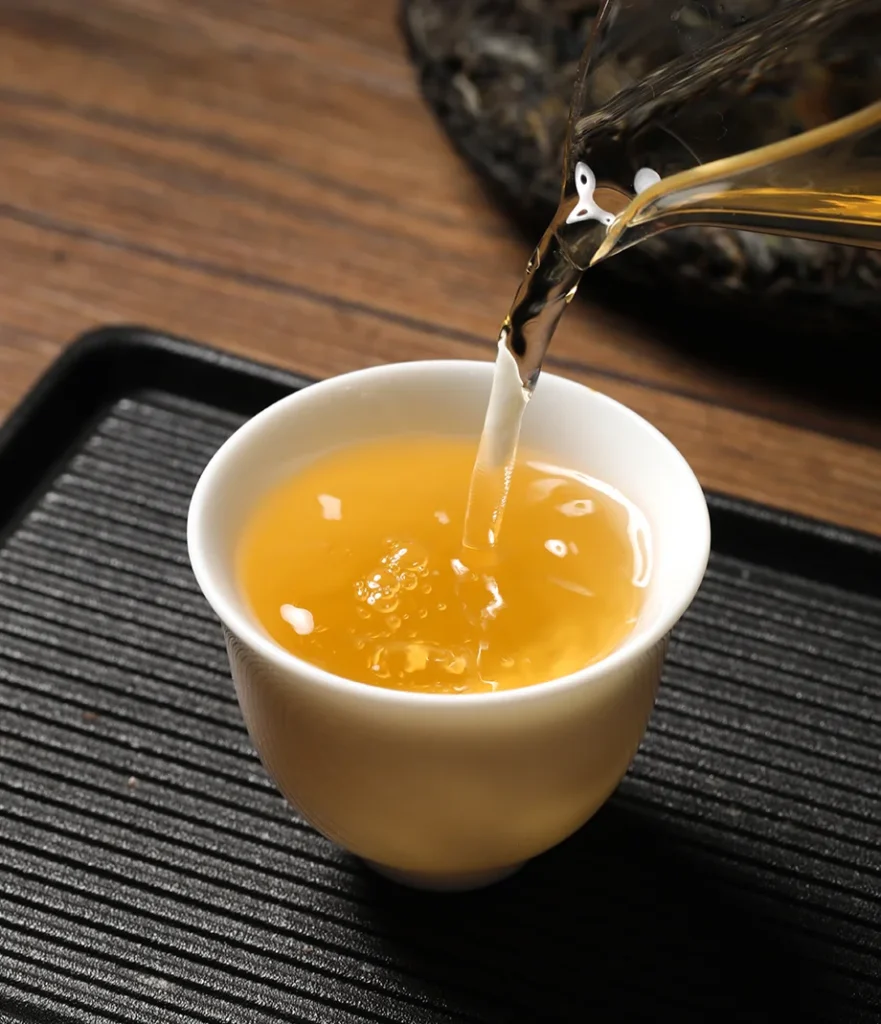
Each of these traces to one named place and one named harvest. None of them are blended across regions or seasons to hit a flavor target.
- Jingmai Mountain raw pu-erh: leaf from Jingmai Mountain in Yunnan, the single most-cited origin for old-growth pu-erh material. The cake names the mountain because the mountain is the point.
- Wuyi Rock Oolong, Da Hong Pao: grown in the mineral-rich cliffs of Wuyi Shan, Fujian. The rocky terrain is what gives yancha (“rock tea”) its mineral character, and that character only shows up when the leaf grew in those cliffs.
- Huangshan Maofeng: listed as pre-Qingming spring tea, meaning it was picked before the Qingming Festival in early April, the window that produces the most tender buds of the year in Anhui. A named harvest window, on the label, not a marketing flourish.
- Tieguanyin: from Anxi County in Fujian, the cultivar’s home region. Tieguanyin grown outside Anxi is common in the market; Anxi-grown is the origin claim being made here.
- Phoenix Dan Cong, Mi Lan Xiang: from the old-growth trees of Fenghuang (Phoenix) Mountain in Guangdong. Dan Cong translates to “single bush,” which is single origin taken to its most literal extreme: some lots trace to one individual tree, not just one mountain.
Single origin versus estate, vintage, and terroir
Wine and coffee buyers already use language for this, and tea is catching up. “Estate” wine names one property. “Vintage” names one year’s harvest. “Terroir” describes how soil, elevation, and climate shape flavor in ways that can’t be replicated somewhere else.[2] Single-origin tea is making the same three claims at once: one estate (the farm or mountain), one vintage (the harvest window), and an implicit terroir claim, that the mineral cliffs of Wuyi Shan or the elevation of Jingmai Mountain are doing real work in the cup.
The analogy stops being useful past that point. Tea has its own vocabulary, cultivar, harvest flush, processing style, and forcing it into wine terms obscures more than it explains. But the underlying discipline is the same: name the place, name the time, don’t blend it away.
How to verify a single-origin claim before you buy
Four questions separate a real single-origin tea from a marketing label:
- Does the listing name a specific farm, mountain, or estate? “Sourced from China” or “grown in the mountains of Asia” is not an origin. It’s a region-shaped absence of one.
- Is the region named specifically enough to mean something? “Fujian” narrows it some. “Wuyi Shan” or “Anxi County” narrows it to the terrain that produces the flavor being sold.
- Is there one harvest window, or does the copy avoid the question? Pre-Qingming, spring flush, a specific month, any of those answer the question. Silence on timing usually means the leaf is pooled across harvests.
- Would the seller answer a direct question about the farm? A brand that bought from one farm can talk about that farm. A brand reselling a blend usually can’t, because there isn’t one farm to describe.
Every tea Hence sells passes all four, because the sourcing happens the same way every time: direct from the farm, one region, one harvest, no blending step in between. The sourcing practice behind that claim is laid out in full on the sustainability page, including how farmer relationships get built and maintained season over season.
If the goal is a cup that tastes like a specific place instead of a formula, start with the teas organized by growing region and pick the origin, not just the tea type.