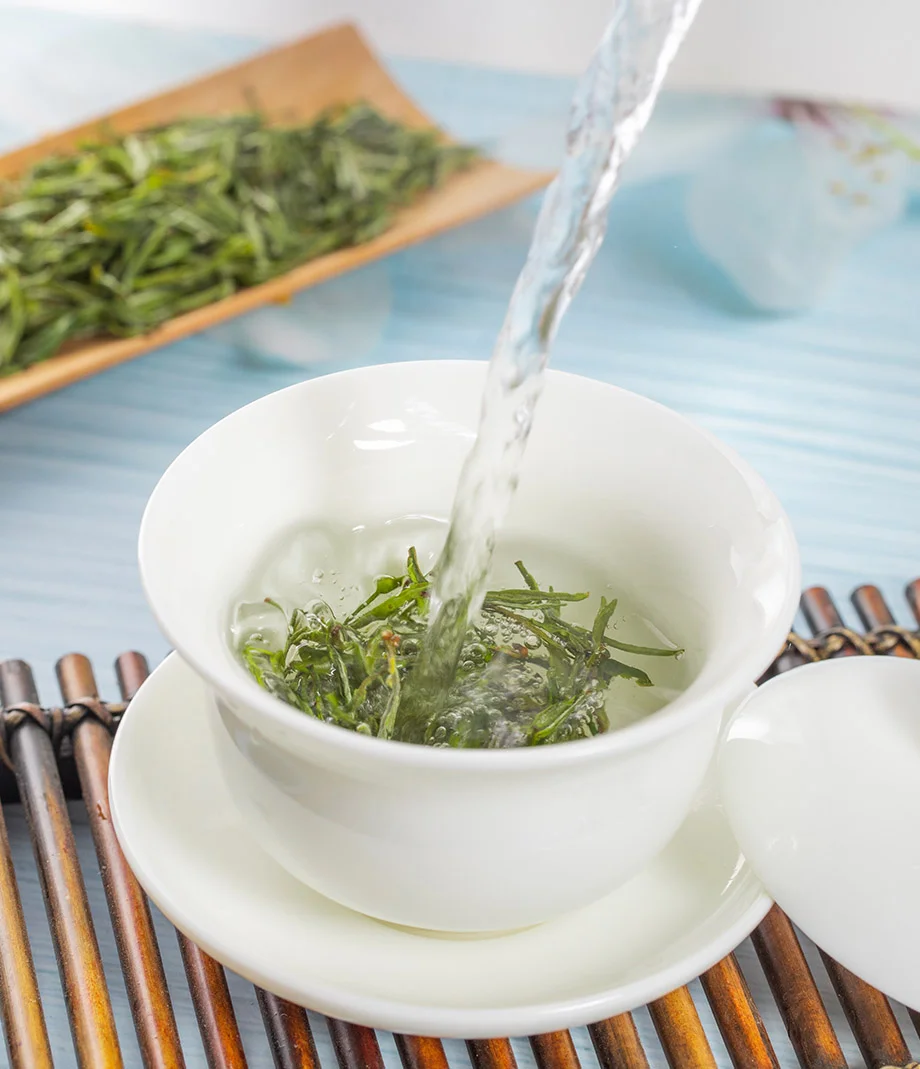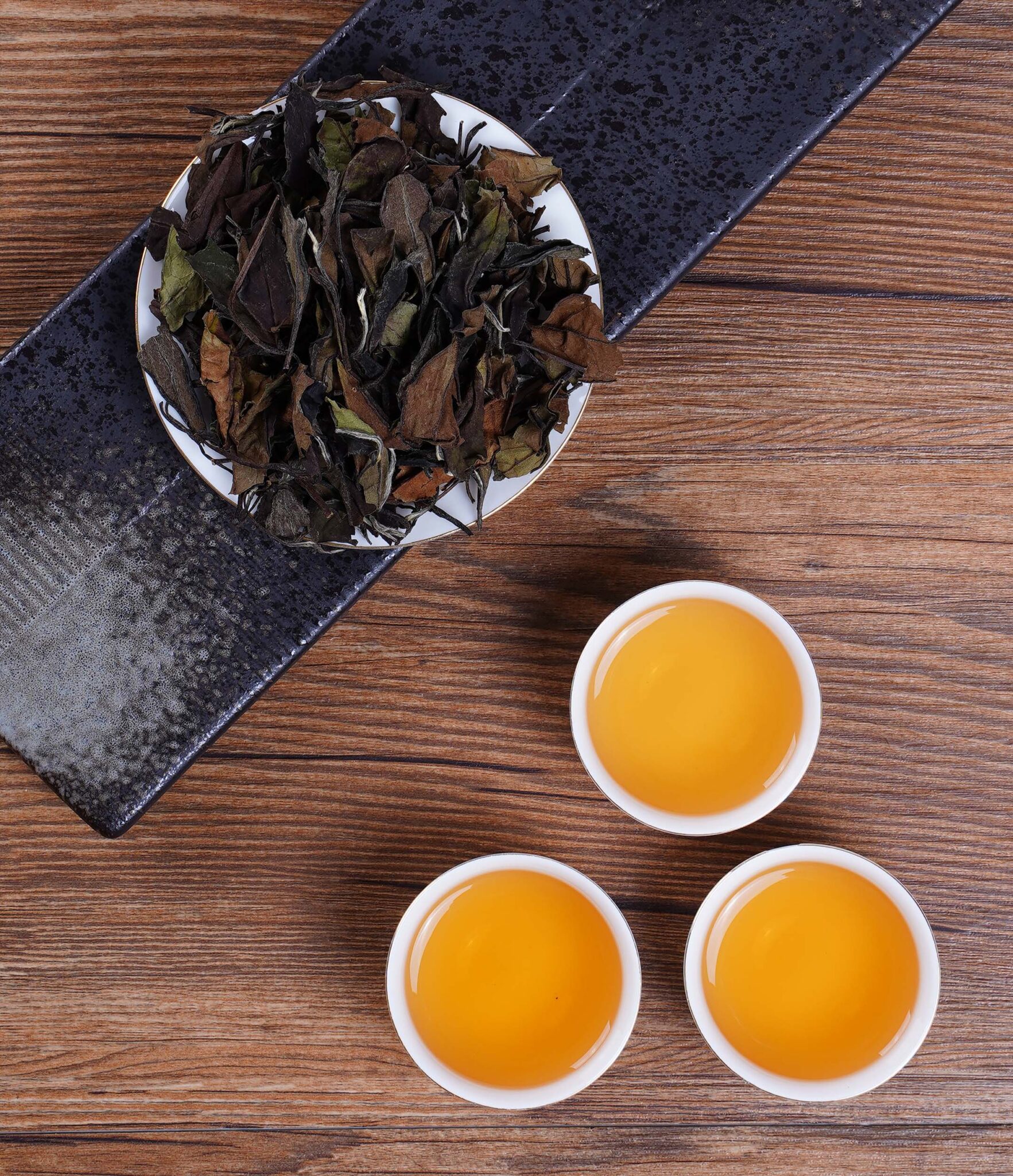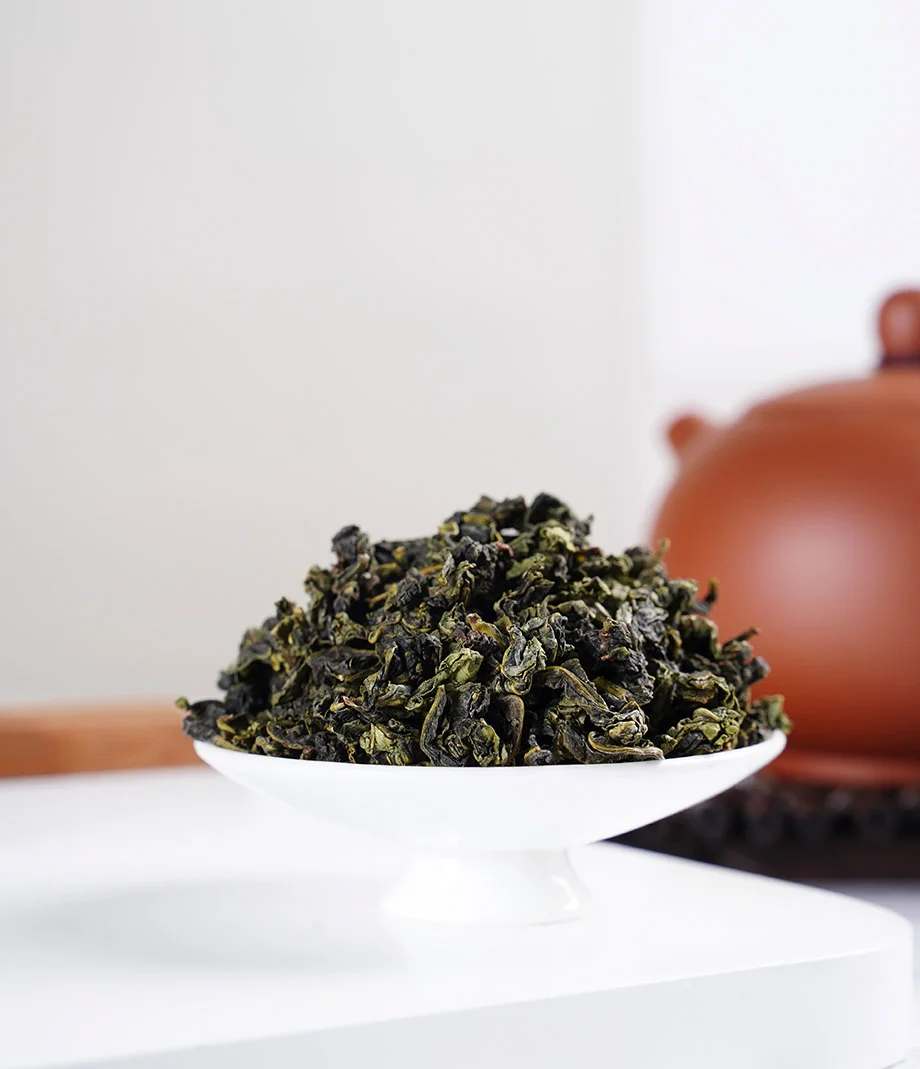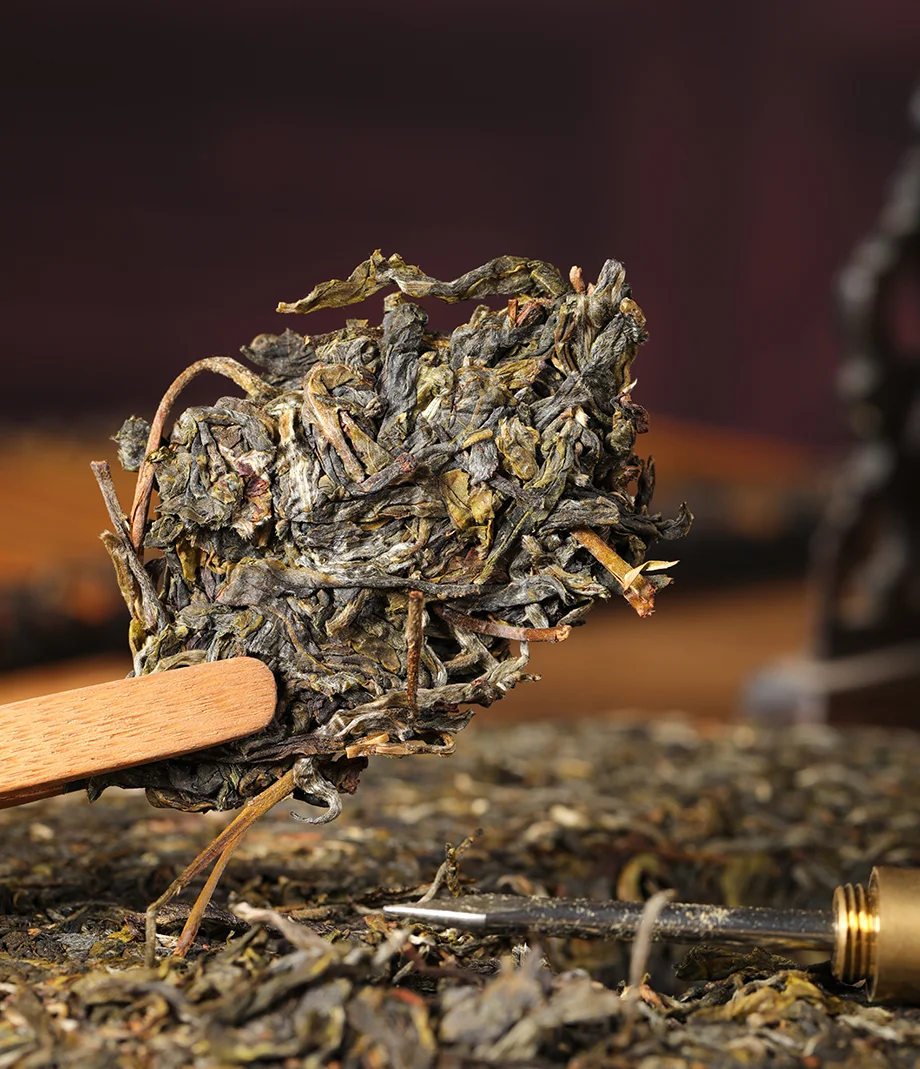
Dragon Well tea, or Longjing, is a pan-fired green tea from the West Lake district of Hangzhou, in Zhejiang province. Pickers take one or two leaves with a bud, workers fire them in a hot wok and press them flat by hand, and the cup tastes of toasted chestnut and fresh-cut grass. What you pay for is the harvest date and the place.
“Long” means dragon and “jing” means well. Beyond that, three questions decide whether a bag of Longjing is worth its price: when it was picked, where it grew, and whether it is the tea on the label.
The harvest date sets the grade
Pickers harvest the best Longjing before Qingming, the Tomb-Sweeping Festival around April 5. Tea picked in that window is called pre-Qingming, or ming qian. Leaves picked after Qingming and before Guyu, usually around April 20, are called before-rain tea. They make the second-best Longjing.
The window is narrow, and farmers describe it with a saying: three days earlier, it is a treasure; three days later, it is trash. Pickers take new shoots just as they begin to open, and it takes about 60,000 buds to make 1 kilo of tea. That arithmetic is most of the price.
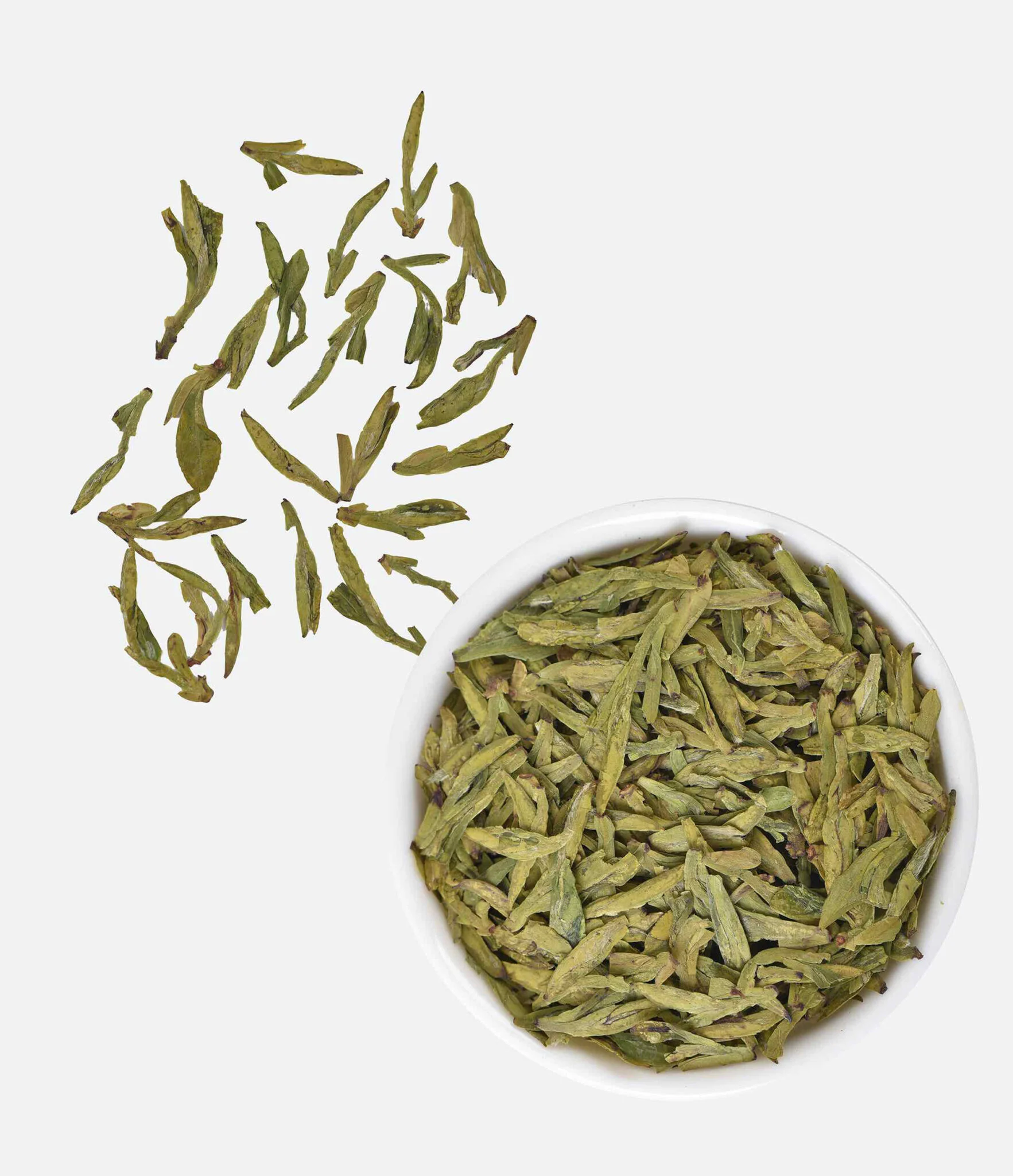
Our West Lake Longjing is a pre-Qingming spring tea. The dry leaf is flat, yellowish-green, sleek and shiny.
Only a 168 km² zone can carry the West Lake name
Tea grown around West Lake holds national geographic indication protection, recognized as early as 2001.[1] Only tea grown within a roughly 168 square kilometer region may be labeled West Lake Longjing. Longjing grown elsewhere in Zhejiang can still use the shorter name, but it is a different product.[2]
Cultivar matters too. The old-tree Qunti population and the clone Longjing 43 are among the most prized, while Wuniuzao is one of the earliest to pick.[2] Chemistry bears out the importance of place. A 2020 metabolomics study separated West Lake Longjing from first-grade and second-grade producing regions by their metabolites, with prediction accuracy up to 99%.[3]
Mislabeled and counterfeit Longjing is a documented problem
Because the name carries so much value, fakes follow. Hangzhou’s government reports tracking down more than 490,000 bags of fake Longjing in an enforcement campaign.[1] Researchers have also noted that Xihu Longjing faces challenges in origin and grade authentication because of mislabeling, and have built chemical models to catch it.[4]
No home test is reliable, because leaf shape and aroma are easy to imitate. Instead, buy from a seller who states the region, the harvest window and the grade, and who sells the tea at a price that fits the arithmetic above. Pre-Qingming West Lake leaf that sells for the price of supermarket green tea is not what it says.
In the cup: chestnut, fresh grass, and a bittersweet finish
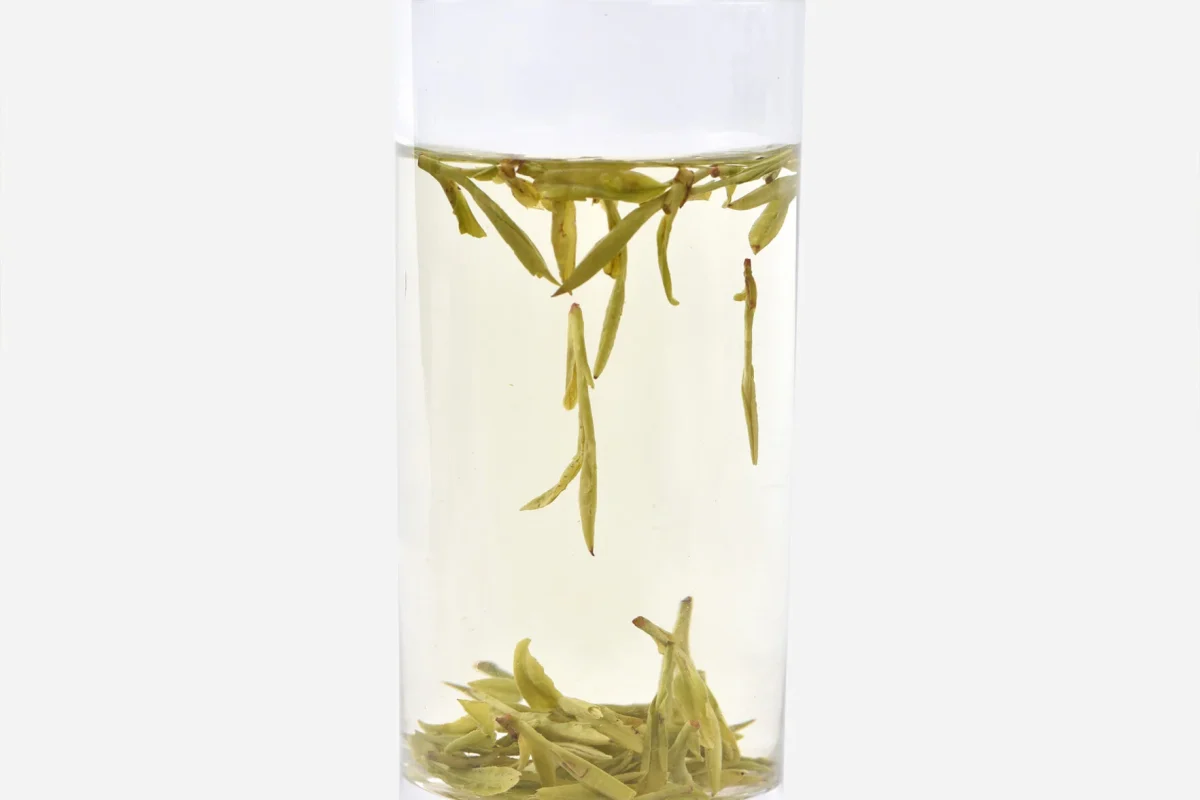
Brewed correctly, Longjing releases a clear, light yellow-green liquor. The aroma suggests freshly cut grass and toasted chestnuts. The flavor is mellow, with a bittersweet, savory finish. The buds stand upright in the glass as they steep.
Firing in a wok is why the tea reads toasted and nutty. Other classic green teas, such as Biluochun, take a different route from leaf to cup, and taste different for it.
Dragon Well and sencha are different teas
Searchers often compare the two. Both are green teas, but Longjing is pan-fired in a wok and shaped by hand, while Japanese sencha is steamed. Firing gives Longjing its toasted, nutty note, and steaming gives sencha its marine, vegetal one. Neither is better. They answer different moods, and a drinker who likes one often wants to taste the other side by side.
Brew Longjing at 70°C to 80°C
Water temperature is the biggest lever. A 2025 study tested Longjing at 70°C to 80°C and found that 70°C was optimal. Lower temperatures brought out umami and cut bitterness and astringency. Higher temperatures leached more flavonols and their glycosides, which sharpened both. The researchers traced the umami to the amino acids L-aspartic acid, L-theanine and L-arginine.[5]
That matches the range printed on our product page, 70°C to 80°C (158°F to 176°F). Use a gaiwan, a glass or a porcelain pot. Our gaiwan guide walks through grip, ratio and timing, and the same method works for a glass.
Start at 70°C. Raise the temperature only if the cup tastes thin.
Caffeine and antioxidants: treat it as green tea
Longjing is a green tea, so the general green tea numbers apply. Published ranges put green tea at 25 to 50 mg of caffeine per 8 oz cup, and steep time changes that figure more than the leaf does. Our green tea caffeine guide breaks down the variables, and our write-up of green tea antioxidants covers what reaches the cup.
Buy the harvest, then store it well
For a first bag, choose pre-Qingming leaf from the West Lake district, and drink it while it is fresh. Once the bag is open, follow our tea storage guide. Compare it with the rest of our green tea collection, or go straight to the West Lake Longjing.