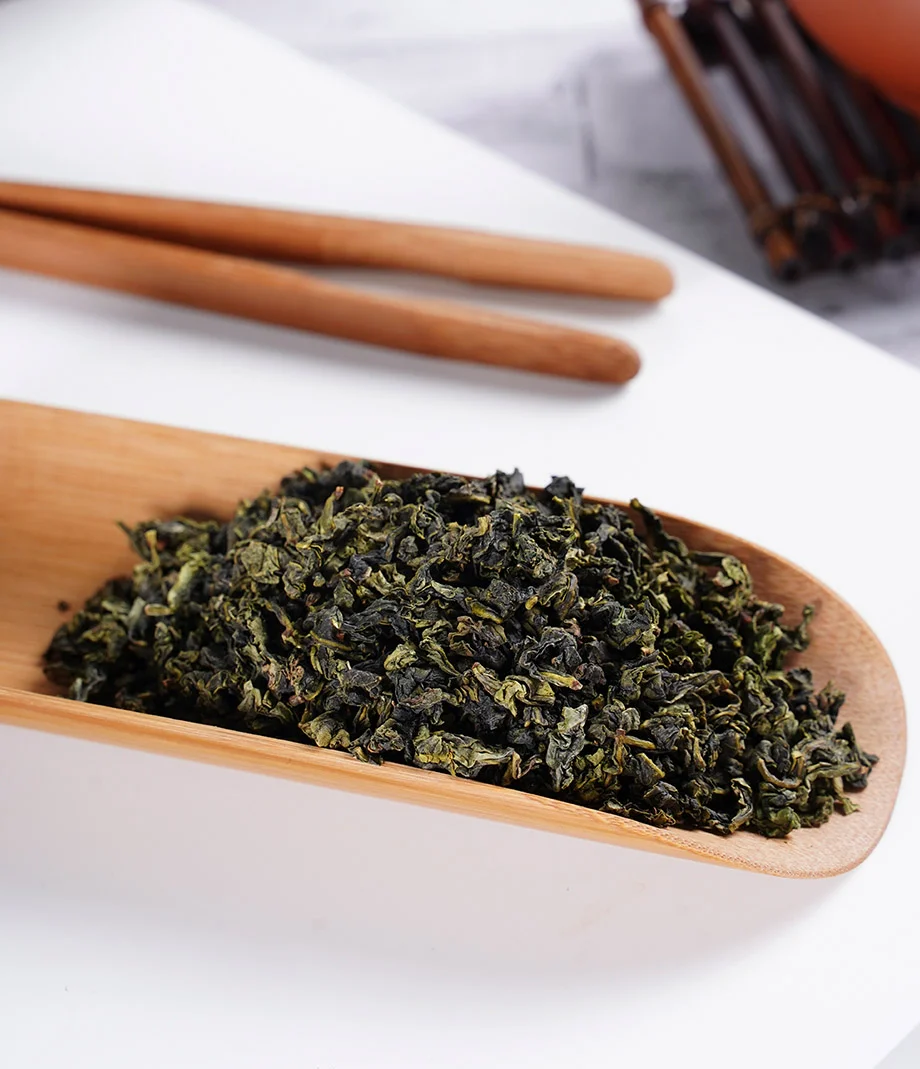

Two teas sold under the name Tieguanyin can taste nothing alike. One pours jade green and smells of orchid, the other pours orange-brown and tastes of toasted nuts, and both come from the same cultivar in the same county as the same tightly rolled leaf. What separates them is roast, and sellers rarely say which one they have put in the bag.
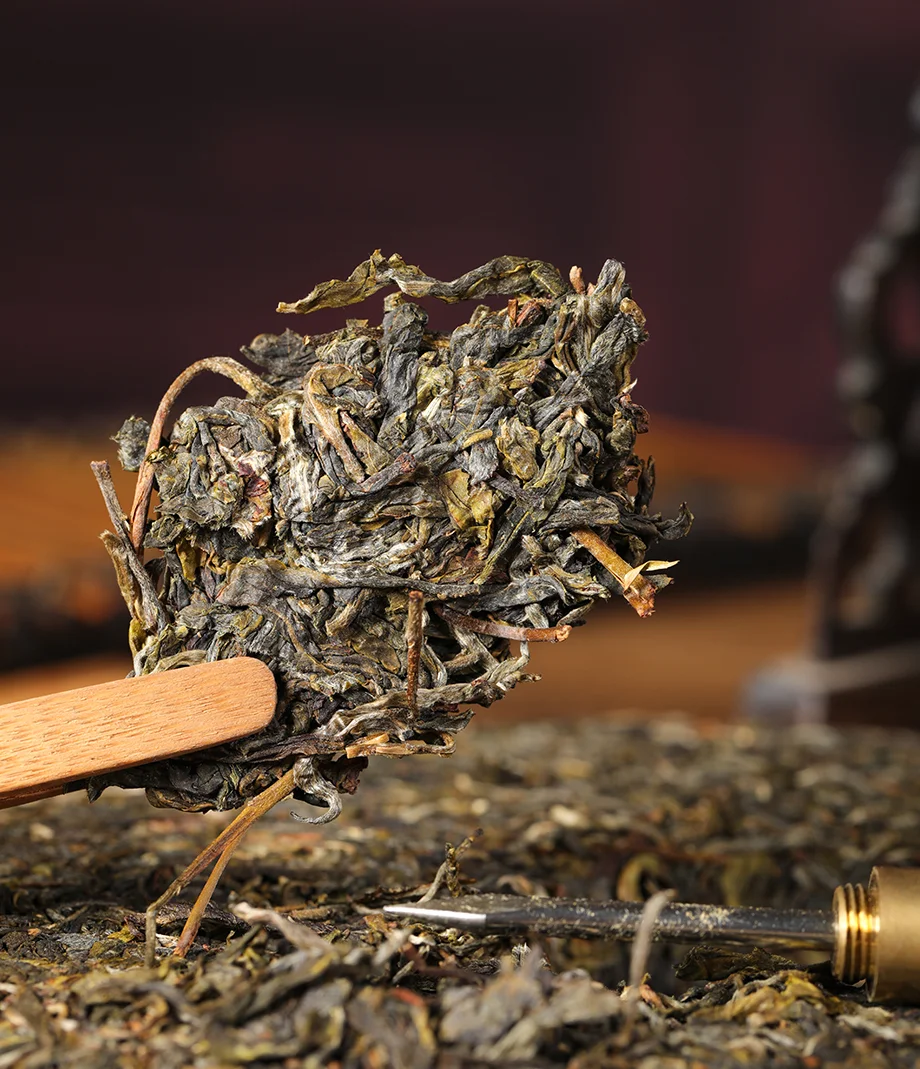
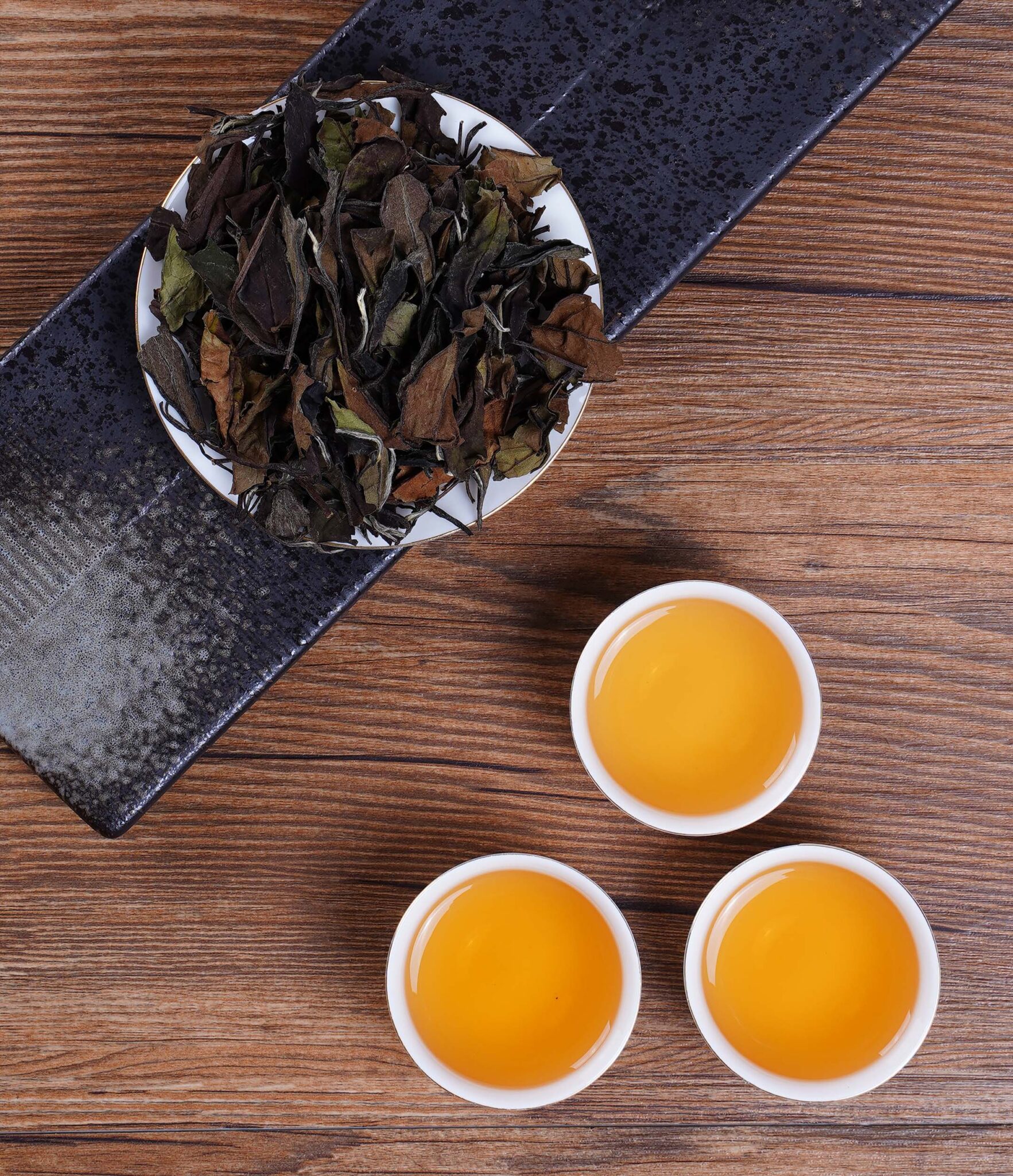
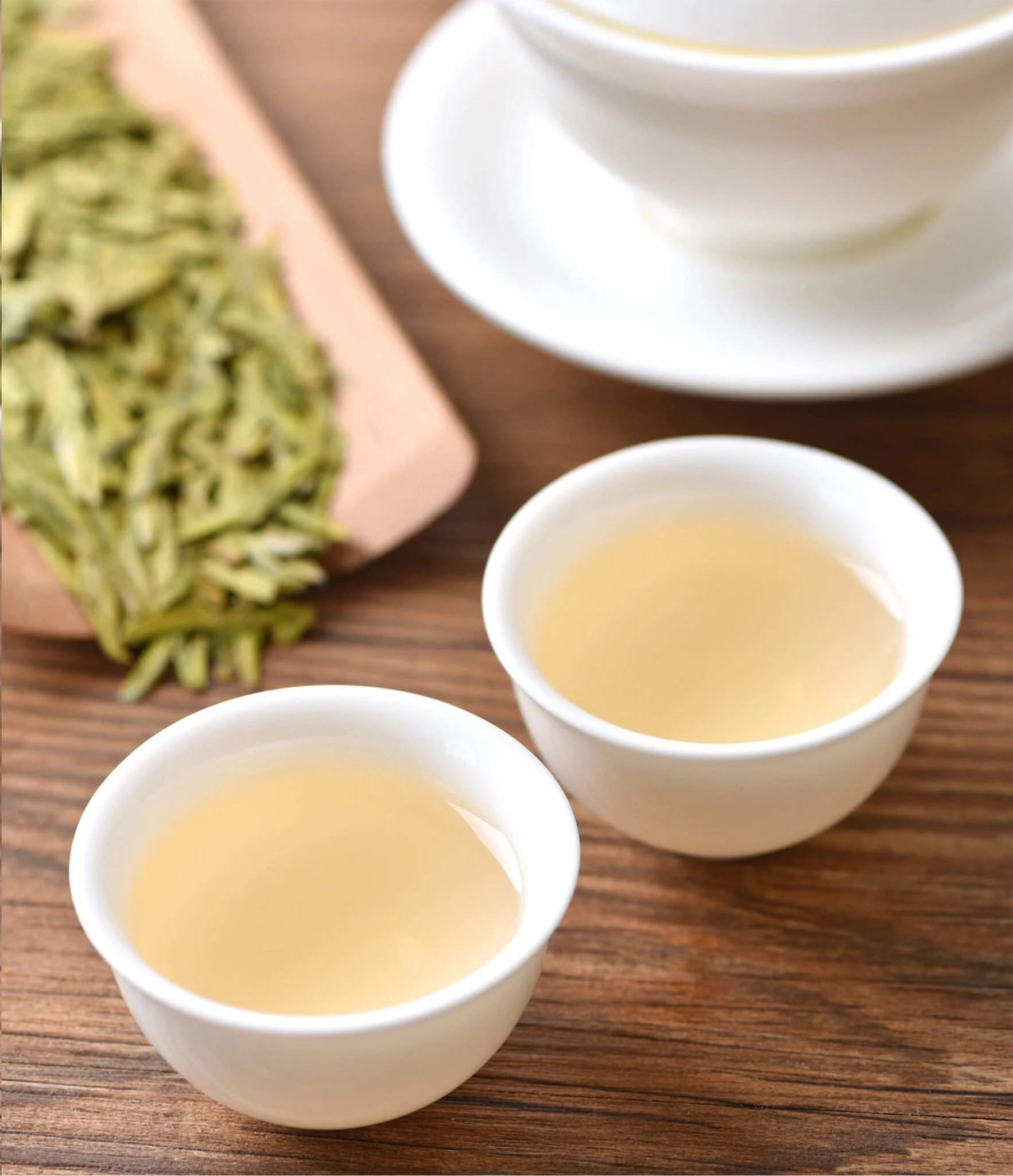
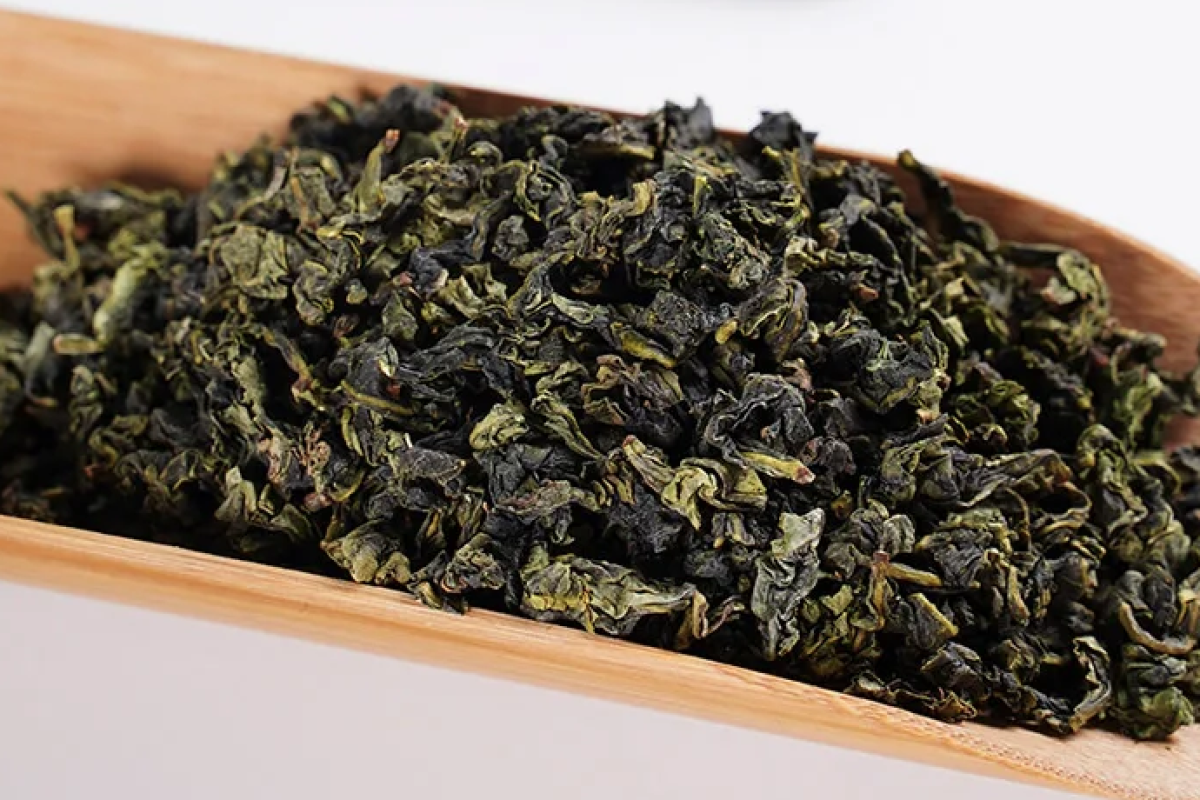
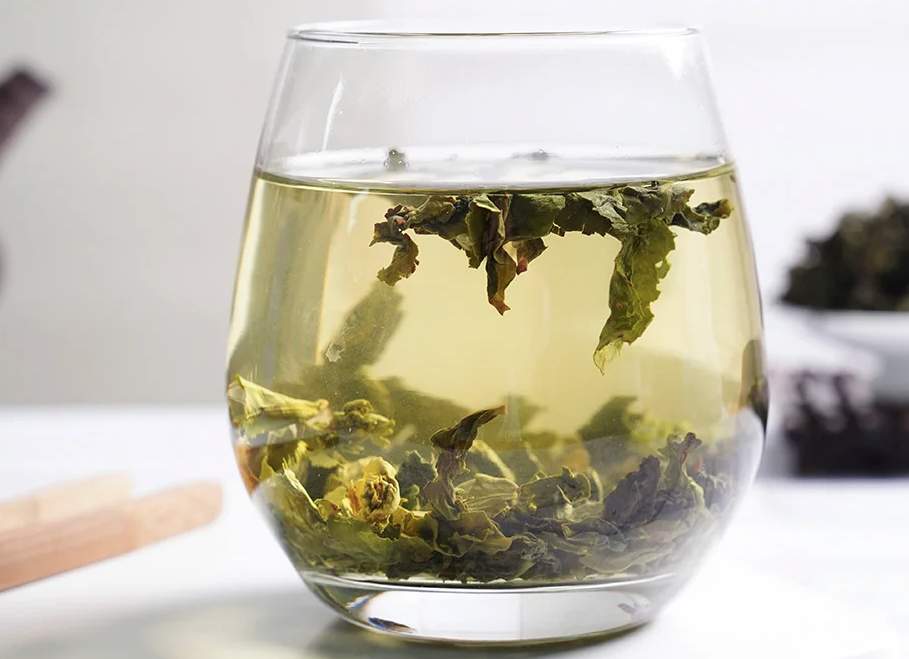
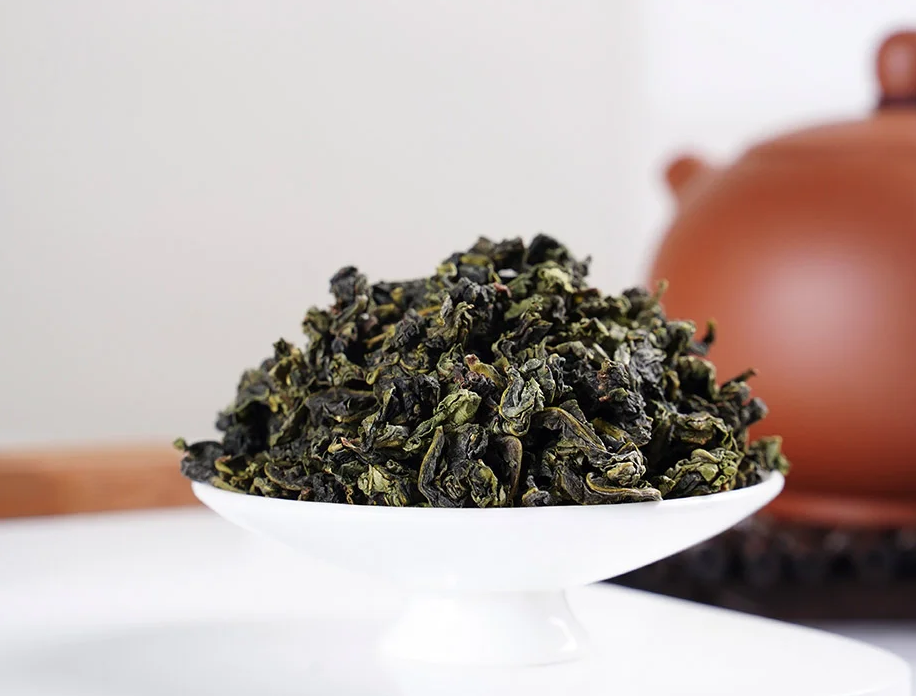
Tieguanyin, the Iron Goddess of Mercy, is a Chinese oolong from Anxi County in Fujian Province, made from the Tieguanyin cultivar. Only mature leaves are picked, never buds, and the leaf is rolled tight into dense beads. It is among China’s ten most famous teas. Modern style, qingxiang, is lightly oxidized and barely fired, giving dark green dry leaf, a light gold to jade green liquor, and an orchid aroma that holds through many infusions. Traditional style, nongxiang, is charcoal roasted through additional firing steps, which turns the leaf dark brown, the liquor orange-yellow, and the flavor nutty and deeply toasted.
Anxi, the cultivar, and how the leaf is picked
Tieguanyin names both a tea plant and the place it came from. The cultivar takes its name from Anxi, the county in Fujian where it was found and where the reference standard for the style still sits.
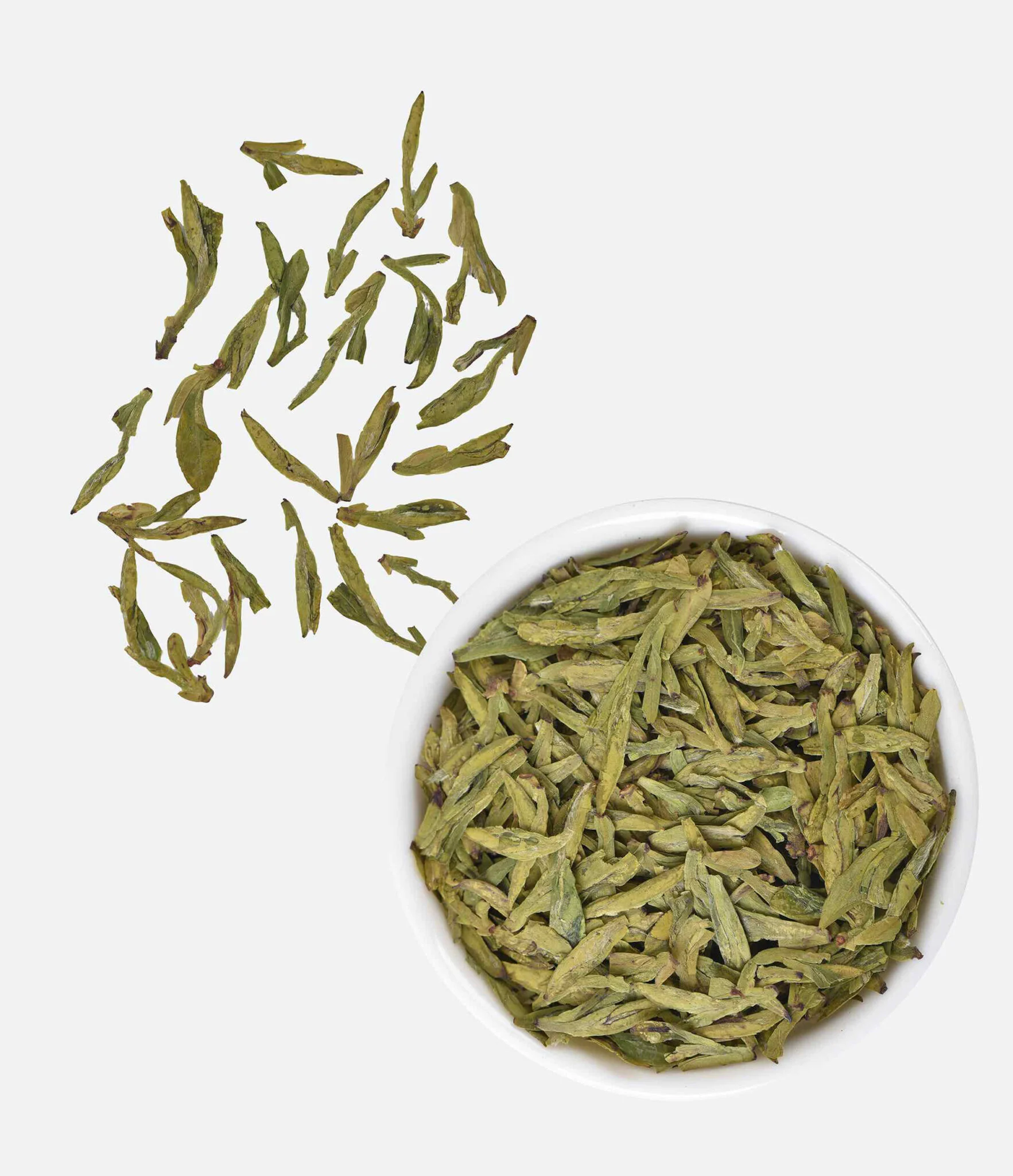
Tieguanyin is made from mature leaf, never buds. That is the reverse of a green tea like Longjing, where the bud is the prize, and mature leaf is what gives Tieguanyin the thicker, sweeter body that survives rolling and roasting.
Anxi picks in all four seasons, and only two of those harvests are worth buying. Spring and autumn produce the quality. Summer and winter leaf is thinner and lighter in aroma, and it is where most cheap Tieguanyin comes from. Our Tieguanyin is spring and autumn only.
The dry leaf is rolled into tight, heavy beads. Brewed, it softens and opens but keeps a bright surface that the trade calls a satin finish. The beads sit heavy in the hand, which is where the iron in the name is usually said to come from.
The farmer, the temple, and the name
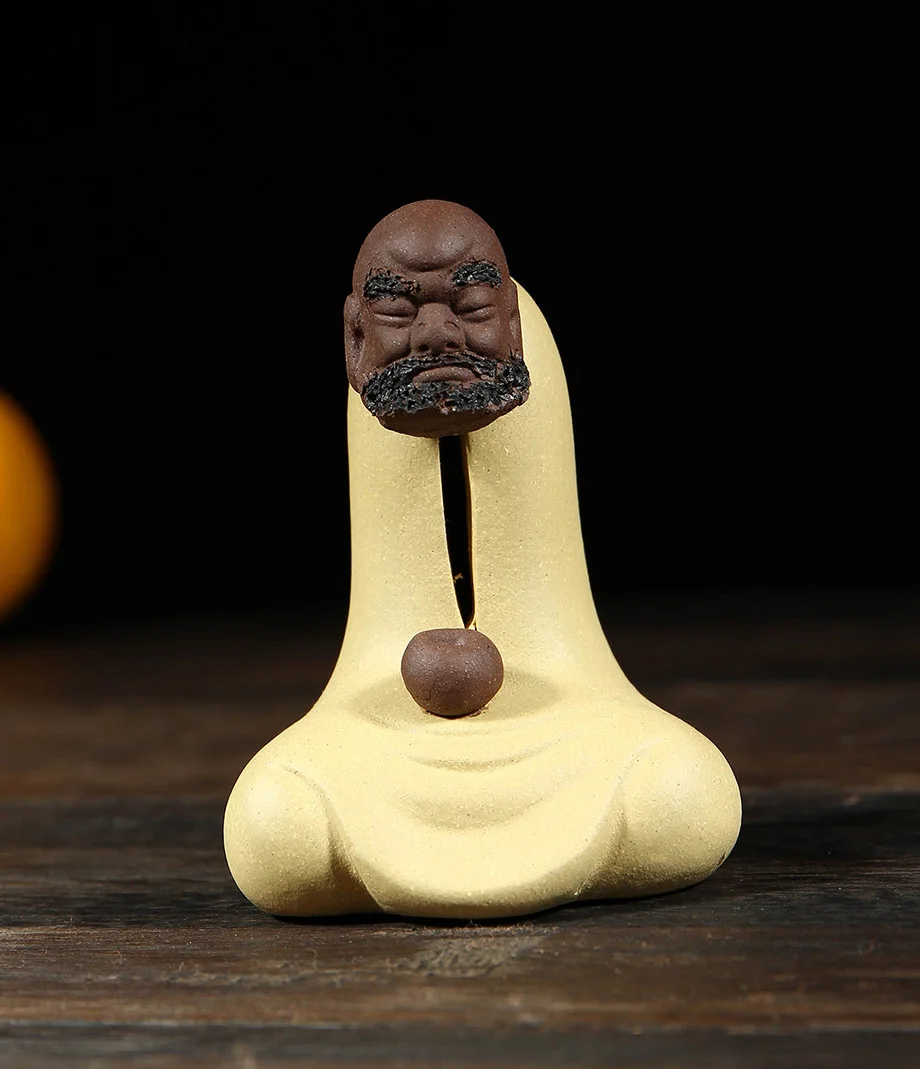
The name comes from a legend rooted in Anxi during the Qing dynasty. A poor farmer named Weiyin found a neglected temple holding a statue of Guanyin, the Bodhisattva of compassion and mercy. He cleaned the temple and left a cup of tea for her every day. Guanyin came to him in a dream and told him where to find his reward. He went and found a tea plant, and the plant made his fortune. He named it Tieguanyin.
The legend explains why a tea carries the name of a deity rather than a mountain or a merchant, and it ties the tea to Anxi specifically rather than to Fujian in general. When a wrapper says Tieguanyin without naming Anxi, the cultivar may be genuine and the provenance is not.
Modern and traditional Tieguanyin, side by side
Both are Tieguanyin, and they do different jobs in the cup.
| Modern (qingxiang) | Traditional roasted (nongxiang) | |
|---|---|---|
| Dry leaf | Dark green, tightly rolled | Dark brown, tightly rolled |
| Processing | Light oxidation, minimal firing | Charcoal roasted, additional firing steps |
| Liquor | Light gold to jade green | Orange-yellow |
| Aroma | Orchid, floral, fresh | Nutty, deeply toasted, charcoal |
| Taste | Sweet and mellow, fresh aftertaste | Mellow, slightly bitter, long sweet finish |
| Water | 90°C to 100°C, 194°F to 212°F | 90°C to 100°C, 194°F to 212°F, take the top of the range |
| Closest to | A floral green tea with more body | A malty black tea with more depth |
Charcoal roasting takes longer and more skill than the light firing modern Tieguanyin gets, and it is the older of the two styles. Modern qingxiang is the newer fashion, built for the floral aroma the market rewards.
The roast also decides how long the tea keeps. Modern qingxiang holds very little fire, so its orchid aroma fades within a year and it keeps best sealed and cold. Traditional roasted Tieguanyin lasts for years at room temperature, and in Anxi it is deliberately aged and re-roasted over time, which deepens the tea rather than tiring it. Buy the modern style for the season you are in. Buy the roasted style if you want something that will still be good in three years.
How to brew Tieguanyin
Rolled beads open slowly. A tight bead has barely begun to extract on the first infusion, so judging Tieguanyin on the first cup will always undersell it.
- Gongfu. 7 to 8 grams per 100 ml, water at 90°C to 100°C, first infusion 10 to 20 seconds, adding 5 to 10 seconds per round. Expect 8 to 15 infusions. A quick rinse before the first real infusion starts the beads opening.
- Western. 3 grams per 250 ml, 2 to 3 minutes for the first steep, 3 to 5 infusions.
- Vessel. A porcelain pot, a gaiwan, or a zisha pot. Porcelain keeps the modern style’s floral top notes clean. Clay suits the roasted style, which gains from the heat retention.
The roasted style takes the hotter end of the range without turning harsh. Our oolong brewing guide covers ratios and steep times in full, and caffeine in oolong covers what those short, hot infusions actually extract.
Which style to buy first
Pick by what you already drink.
- You drink green tea. Start with the modern Tieguanyin. It is floral and light-bodied with more substance than a green tea, and the orchid aroma is the thing Tieguanyin is famous for.
- You drink black tea or coffee. Start with the roasted Tieguanyin. It has the depth to stand next to a black tea, and it is the better choice if you normally add milk or sugar.
- You want tea after a heavy meal. Take the roasted. In some regions of China a small, very strong infusion of charcoal-roasted Tieguanyin is customary before and after eating.
- You cannot decide. Buy both and brew them on the same day, in identical vessels, with the same water. Tasting the roasted leaf against the unroasted one is the quickest way to learn what firing does to an oolong.
Where Tieguanyin sits among Chinese oolongs
Three oolong traditions account for most of what is worth drinking, and they differ by region, leaf shape, and what the processing aims at.
Tieguanyin comes from Anxi in Fujian, is rolled into beads, and aims at orchid aroma. It is the only one of the three that splits into a light style and a roasted style.
Da Hong Pao comes from the Wuyi mountains in northern Fujian as twisted long leaf, always roasted, and aims at the mineral rock character the cliffs give it. The Da Hong Pao guide sets out the contrast.
Phoenix Dan Cong comes from Guangdong as twisted leaf picked from single bushes, and each cultivar aims at one specific fruit or flower, which is how Dan Cong aroma types got their names. Our comparison of Dan Cong and Da Hong Pao shows how two roasted oolongs from neighboring provinces end up in different places.
Browse the oolong collection to see both Tieguanyin styles alongside the Wuyi and Phoenix teas, and pick the one closest to what is already in your cup.