How to brew oolong tea depends almost entirely on one decision you make before the water is hot: whether you are brewing a mug or brewing a session. Both are legitimate. They use different amounts of leaf, different steep times, and they produce genuinely different drinks from the same tea.
That choice is also why the guides you have already read disagree with each other. One tells you 2 grams per cup. The next says 6 to 7 grams. A third says a teaspoon and leaves you to work it out. None of them is lying. They are describing different methods, and often different oolongs, without saying so.
How to brew oolong tea: the short version
| Western style | Gongfu style | |
|---|---|---|
| Leaf | 3 g per 250 ml | 7 to 8 g per 100 ml |
| Water | 90°C to 100°C by style | 90°C to 100°C by style |
| First steep | 2 to 3 minutes | 10 to 20 seconds |
| Later steeps | add 30 to 60 seconds | add 5 to 10 seconds |
| Infusions | 3 to 5 | 8 to 15 |
| Vessel | teapot or mug | gaiwan or small clay pot |
Western style gives you a large, convenient cup. Gongfu gives you a sequence of small ones that change as the leaves open, which is how oolong is drunk in Anxi, Wuyi, and Chaozhou, and how we drink it.
Why every guide gives you a different amount of leaf
The problem is the teaspoon.
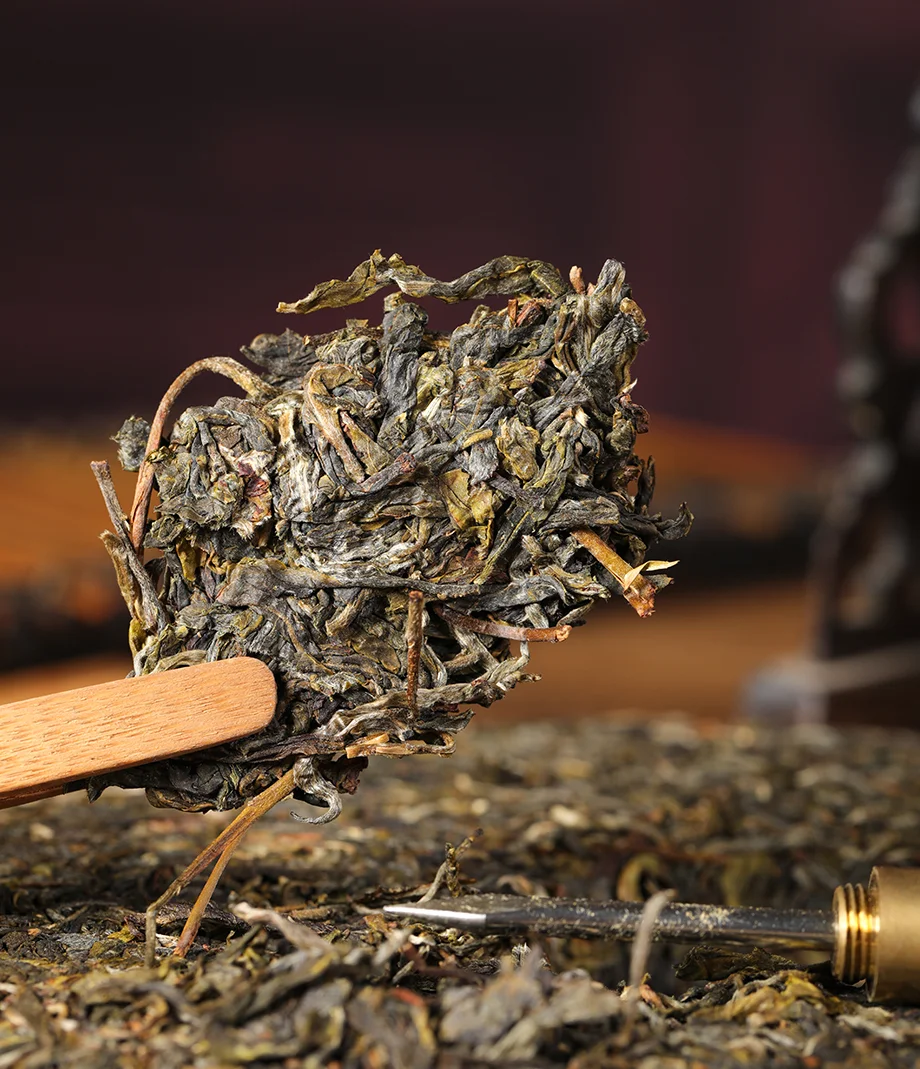
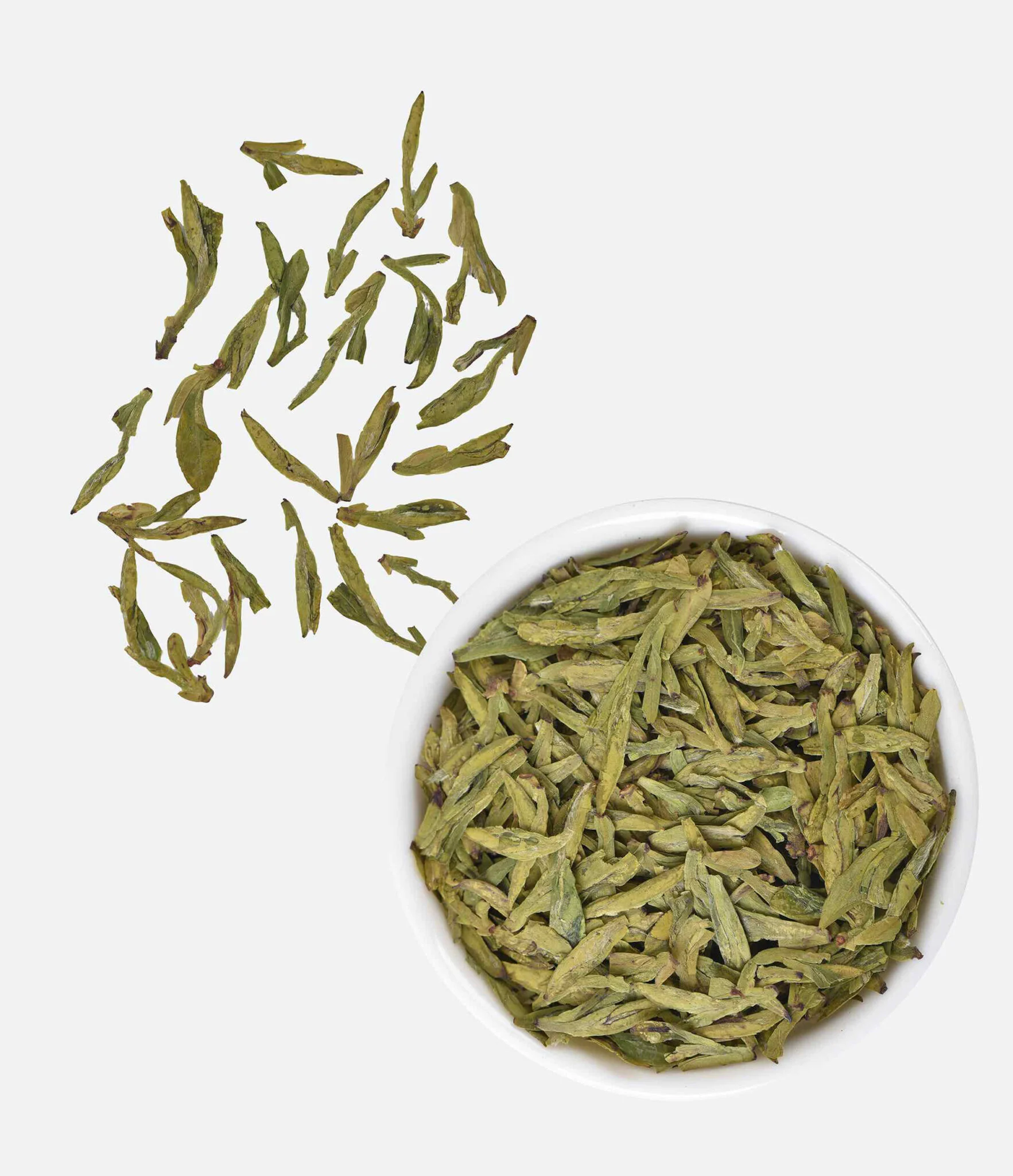
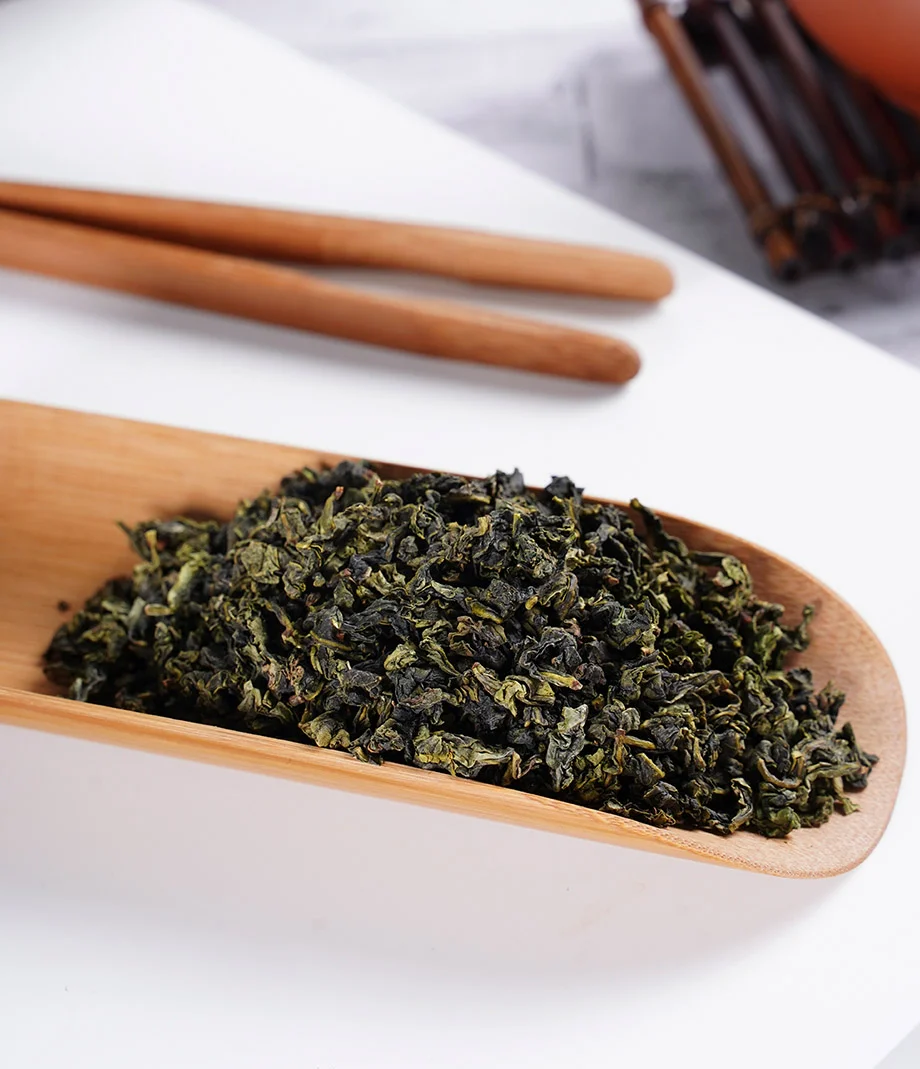
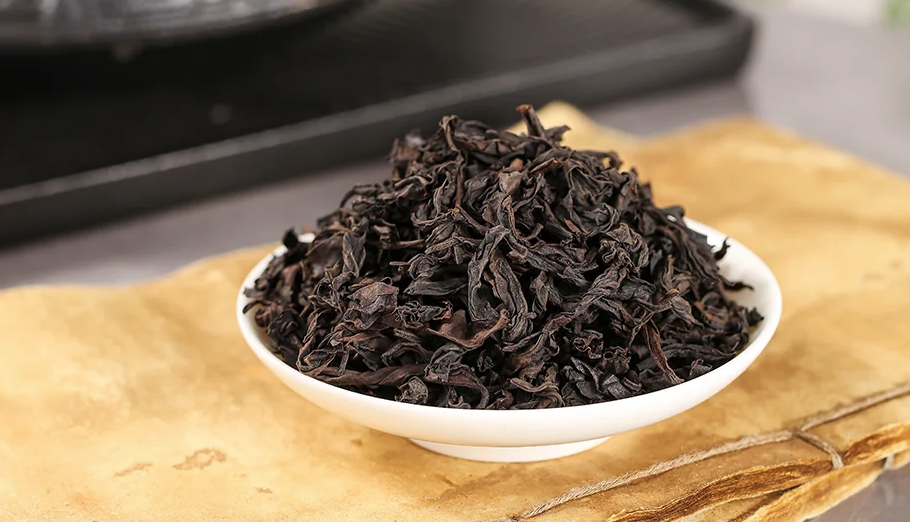
Oolong is not one shape. A tightly rolled Anxi Tieguanyin comes as dense little balls that sit heavy in the spoon. A Phoenix Dancong is long, twisted, open leaf that traps a lot of air. A teaspoon of the first can weigh two or three times what the same teaspoon of the second weighs.
So “one teaspoon per cup” produces a reasonable brew for one of those teas and a thin, disappointing one for the other. Every writer measured a spoonful of whatever oolong was on their desk, weighed nothing, and published the result.
Use a scale. A cheap kitchen scale that reads to 0.1 g removes the single largest source of inconsistency in home brewing, and after a few weeks you will be able to eyeball your own teas without it. Until then, weigh.
The other half of the confusion is that rolled oolong expands enormously. Those balls look like almost nothing dry and will fill a gaiwan once they open. That is normal, and it is why a rolled oolong often needs two or three infusions before it shows you what it can do.
Water temperature is set by the tea, not by the category
Oolong runs hot. Every oolong we sell is brewed somewhere between 90°C and boiling, which already separates the category from green tea at 70°C to 80°C and white tea at 80°C to 85°C. Within that hot band, though, the teas do not agree with each other, and the split follows origin more closely than roast level.
| Tea | Temperature |
|---|---|
| Tieguanyin and Tieguanyin roasted | 90°C to 100°C |
| Da Hong Pao and Rou Gui | 90°C to 100°C |
| Shui Xian | 90°C to 96°C |
| Mi Lan Xiang, Snowflake, Ya Shi Xiang roasted | 95°C to 100°C |
| Ya Shi Xiang, unroasted | 95°C to 98°C |
Two things worth drawing out of that table, because they cut against advice you will find elsewhere.
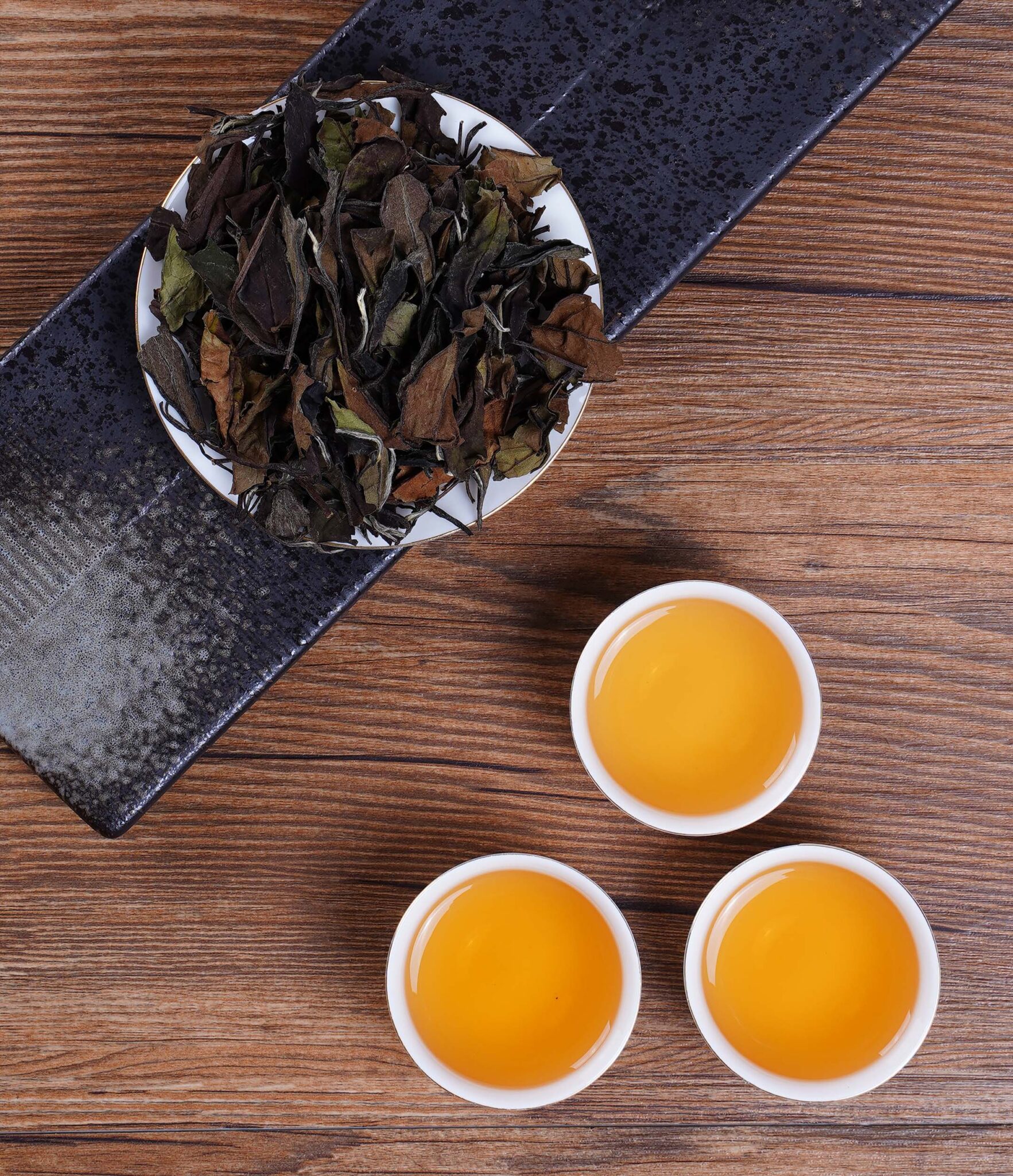
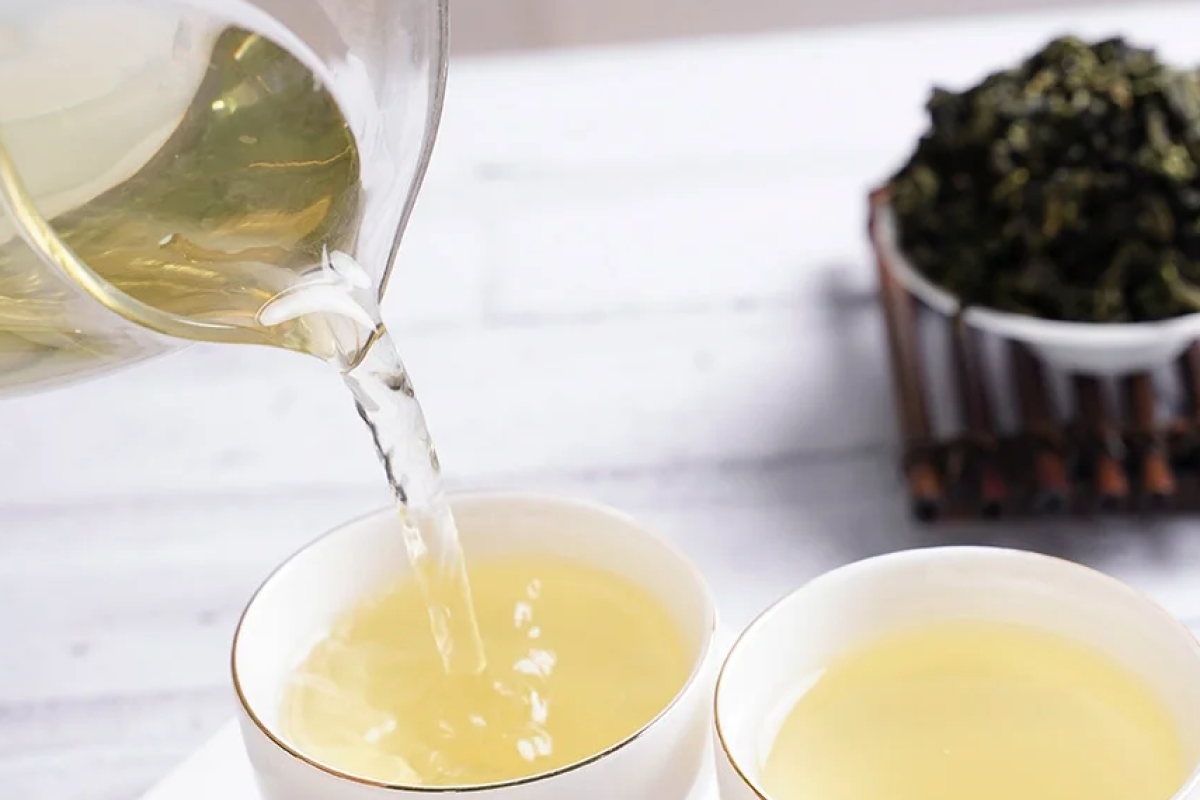
Roast level does not move the number nearly as much as people claim. Our roasted and unroasted Tieguanyin carry the same range. The charcoal roast transforms the flavour, turning a sweet, orchid-scented, jade-green cup into something nutty and deeply toasted with an orange-yellow liquor, but it does not mean the roasted version needs hotter water. Brew both at the top of the range if you like a fuller cup, or the bottom if you want the aromatics to stay delicate.
Phoenix Dancong is the one that genuinely wants more heat. It starts at 95°C rather than 90°C. Heat is what lifts the aroma, and aroma is the entire reason the cultivar exists. The catch is that Dancong extracts fast and turns astringent quickly, so the heat has to be paired with a short steep rather than a long one.
Two of our teas stop short of boiling on purpose. Shui Xian tops out at 96°C and Ya Shi Xiang at 98°C. If you have been told that all rock oolong takes a full boil, those two are the exceptions worth respecting.
Temperature is not a minor variable. In controlled measurement, brewing temperature alone moved the caffeine in an oolong infusion from 4.4 to 13.5 mg per 200 mL.[1] What it does to flavour is at least as dramatic, and far easier to taste.
How to brew oolong tea western style
- Heat the water to the temperature for your style, above.
- Weigh about 3 grams of leaf per 250 ml.
- Rinse the leaves: cover with hot water, then pour it straight off after a few seconds.
- Fill and steep 2 to 3 minutes for the first infusion.
- Pour the cup out completely. Leaves sitting in cooling water keep extracting, and the second half of the mug will not taste like the first.
- Re-steep, adding 30 to 60 seconds each time. Three to five infusions is normal from good leaf.
The one rule that matters more than the numbers: separate the leaves from the water when the steep is done. A mug with the leaves still in it is a cup that gets more bitter as you drink it.
How to brew oolong tea gongfu style
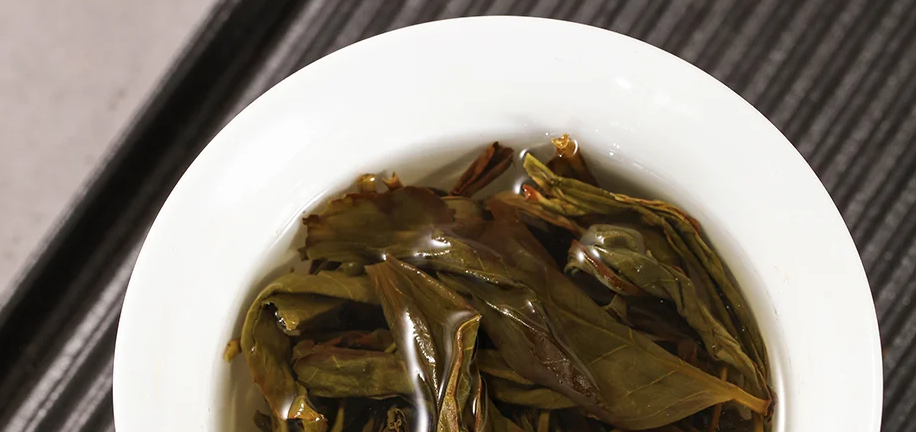
- Warm the gaiwan with hot water and tip it out.
- Add 7 to 8 grams of leaf for a 100 ml gaiwan. This will look like far too much. It is not.
- Smell the warmed dry leaf in the vessel before you add water. On a Dancong this alone is worth the price of the tea.
- Rinse: fill, cover, pour off immediately into your sharing pitcher or straight out.
- First infusion, 10 to 20 seconds. Pour out completely, every drop.
- Add 5 to 10 seconds per infusion after that, adjusting by taste rather than by the clock.
Expect 8 to 15 infusions from a good oolong. The tea will not taste the same across them, and it is not supposed to. Rolled teas usually peak around the third or fourth pour once the leaves have opened. Rock oolong tends to give up its mineral depth in the middle of the session. Dancong leads with aroma early and settles into sweetness later.
If you want a full walkthrough on the tea that punishes mistakes fastest, we wrote a dedicated guide to brewing Phoenix Dancong, and a piece on the teaware a gongfu session actually needs.
Should you rinse the leaves?
Yes, for oolong, and for two practical reasons rather than any ceremonial one.
Rolled and roasted oolongs are compressed or fired, and a quick rinse starts them opening so the first real infusion is not a wasted one. It also warms the leaf, which lifts the aroma noticeably in a covered vessel.
Keep it brief. A rinse is a fill and an immediate pour, not a steep. Anything longer and you are throwing away the first infusion rather than preparing it.
Where people usually go wrong
Steeping by the clock instead of by taste. Times are a starting point. Your leaf, your water, and your preference move them.
Using water that has boiled repeatedly. Fresh water each time. Reboiled water tastes flat, and the difference is easy to notice in a delicate tea.
Judging a tea on the first infusion. Particularly with rolled oolong, the first pour is the leaf clearing its throat.
Being afraid of the leaf quantity. New gongfu brewers almost always underleaf, then compensate by steeping longer, which extracts the bitter compounds they were trying to avoid. More leaf and shorter steeps is the correct trade.
If you want to see how two of these styles differ in the cup, we compared Dancong and Da Hong Pao side by side. Otherwise, start with the oolong collection and a scale.