
Does white tea have caffeine? Yes. Every tea made from the Camellia sinensis plant carries it, and white tea is no exception, however pale and mild it looks in the cup.
The number is where things get strange. Read across the pages that answer this question and you will find figures anywhere from 6 mg to 75 mg per cup, sitting next to each other, each stated with complete confidence. Some sources call white tea the gentlest caffeinated drink you can pour. Others run headlines about white tea holding far more caffeine than you would ever guess.
They are not contradicting each other by accident. They are answering two different questions, and almost none of them tell you which one they picked.
How much caffeine is in white tea
Per 8 oz cup, brewed western style with roughly 3 grams of leaf:
| Drink | Typical published range |
|---|---|
| White tea | 15 to 40 mg |
| Green tea | 25 to 50 mg |
| Oolong tea | 30 to 55 mg |
| Black tea | 30 to 60 mg |
| Brewed coffee | 80 to 100 mg |
Treat these as bands, not facts. They describe an average cup brewed an average way, and the bands overlap enough that how you brew can move a tea clean out of its own row.
Why the published numbers disagree so wildly
Two separate things are going on, and most articles handle neither.
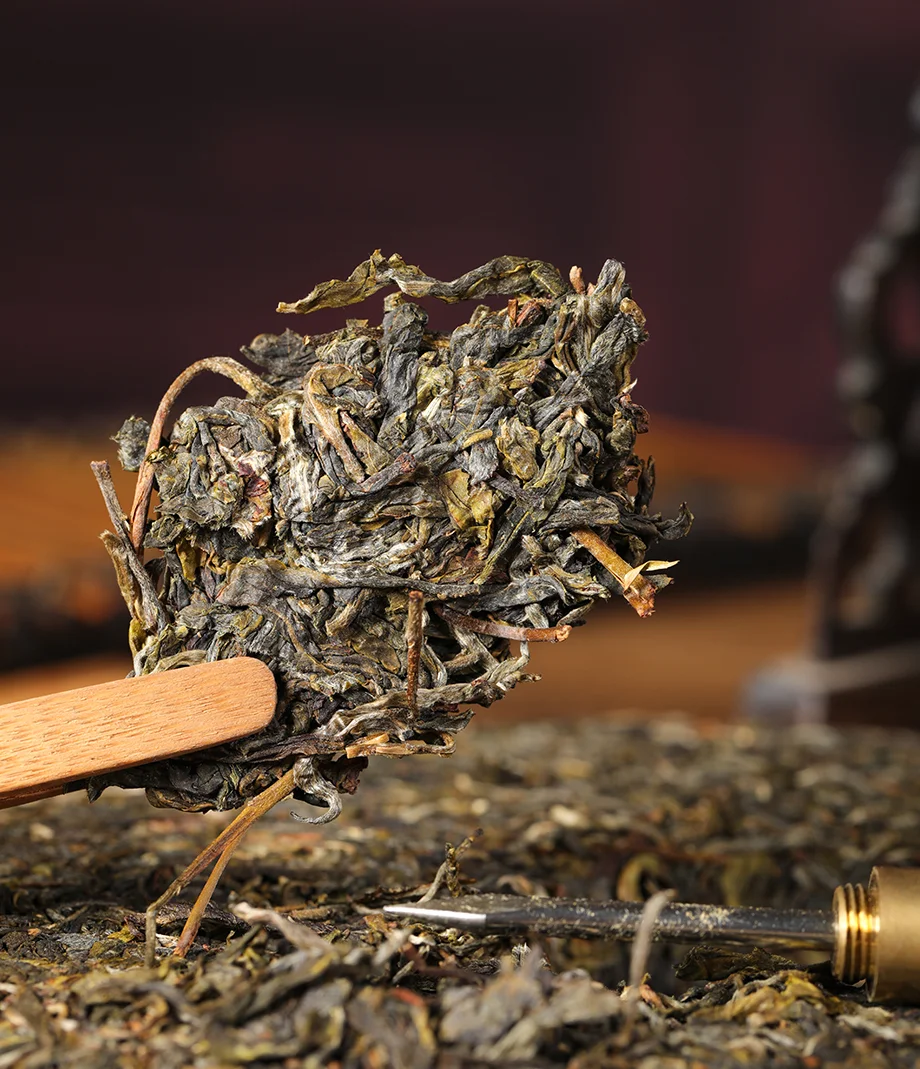
“White tea” is not one product. Silver Needle is plucked in early April, before the Qingming Festival, and only the top of the bud is taken. Shoumei comes from the same county in Fujian, picked from mid-April onward, to a standard of one bud with three to five leaves. Same category, same corner of China, same recommended brewing temperature. Almost entirely different plant material. Any figure published for “white tea” has to stretch across both, which accounts for a good deal of that 6 to 75 mg spread on its own.
Two different measurements share one name. The first is caffeine per gram of dry leaf. On that measure white tea often reads high, sometimes higher than black, because the bud is the most caffeine dense part of the plant and Silver Needle is nothing but buds. This is the fact underneath every “more than you think” headline, and it is correct.
The second is caffeine in the cup you actually drink. On that measure white tea usually reads low, because it is brewed with cooler water, for less time, and often with less leaf than a strong black tea. Potent material, gentle extraction.
When researchers brewed six tea types under identical conditions and measured them by HPLC, white tea infusions came in at 5.8 mg per 200 mL, second lowest of the six and about half the level of green tea at 11 mg.[1] Under one fixed protocol, the delicate reputation held up.
That figure also sits well below the 15 to 40 mg band in the table above. Same category of leaf, different brewing protocol, results several times apart. The gap between those two numbers is the real answer to the question.
Does white tea have caffeine you can actually control?
Yes, and to a greater degree than the packet suggests. Three levers, in descending order of force.
Steep time. Caffeine dissolves readily and leaves the leaf early. In the study above, pushing the brew out to 10 minutes drove one tea’s caffeine to 53 mg per 200 mL, several times its short-steep level.[1] Leaving the leaves in the pot while you read your email brews a far stronger cup than you intended.
Water temperature. Hotter water pulls harder and faster. The same work found brewing temperature alone moved an oolong infusion from 4.4 to 13.5 mg per 200 mL.[1] For white tea this lever is easy to reach: 80°C to 85°C suits the leaf better than boiling water anyway.
How much leaf. More leaf in the same volume of water gives you more of everything, caffeine included.
Adjust any one of those and the cup changes. Nothing on the packet will.
Silver Needle and Shoumei, side by side
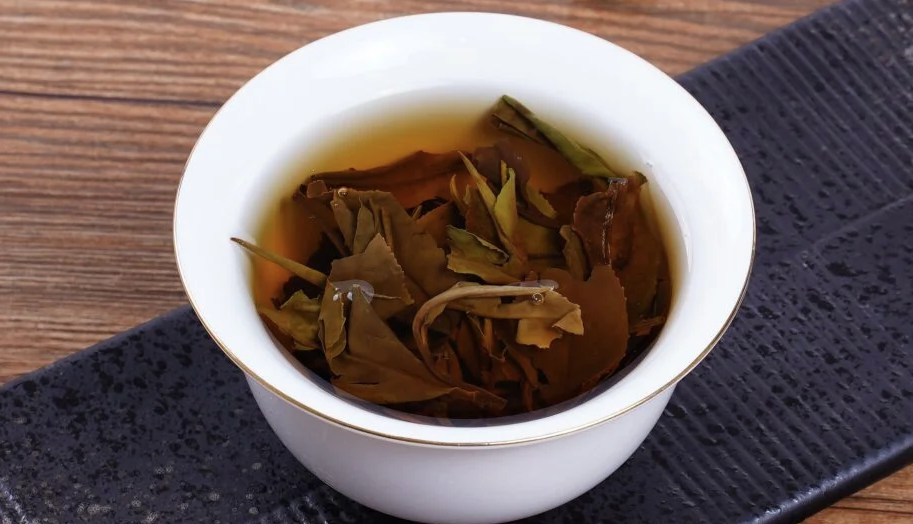
The two white teas we sell come from the same county in Fujian and carry the same brewing recommendation, 80°C to 85°C in a gaiwan, glass, or porcelain pot. Almost everything else about them differs.
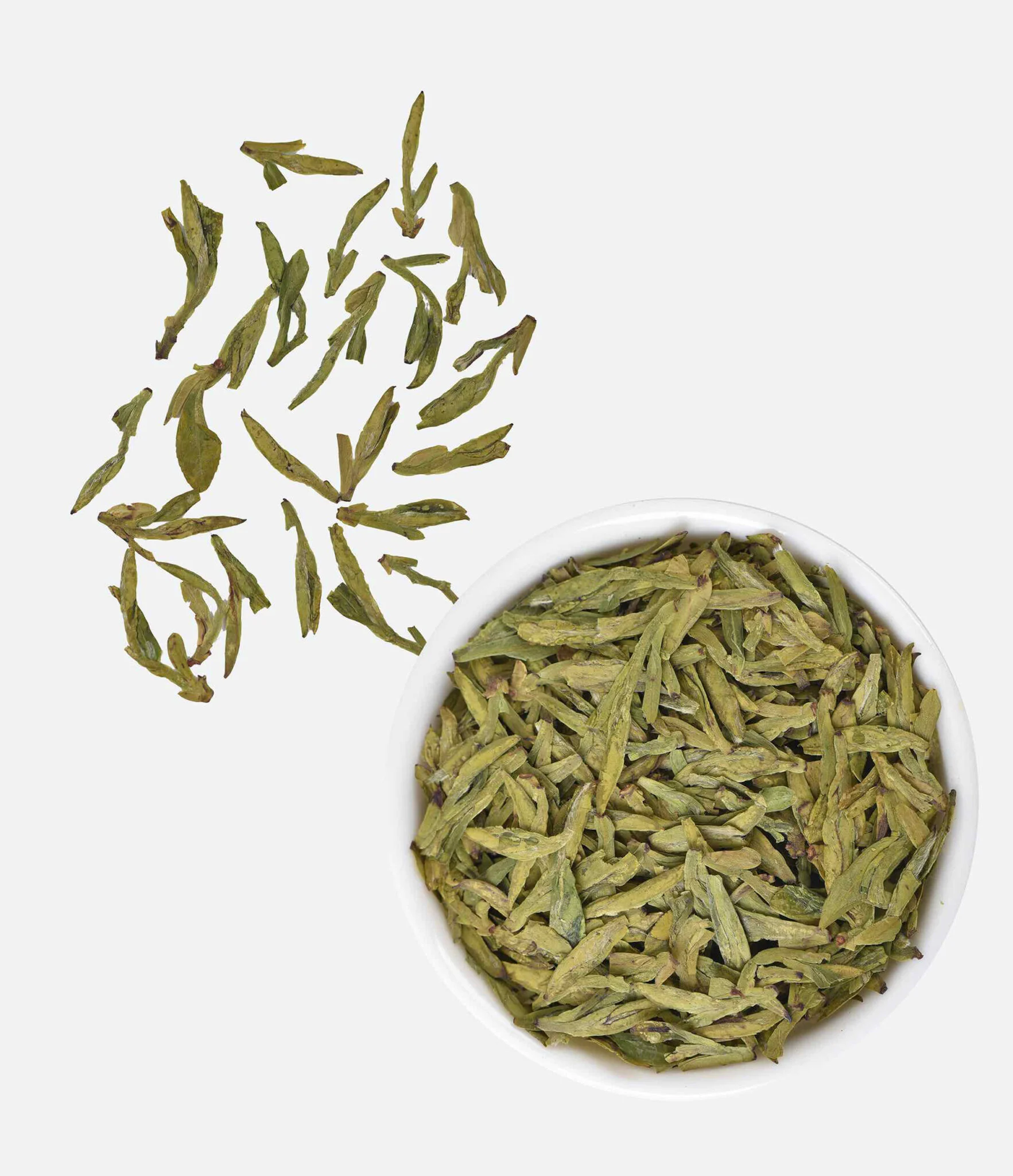
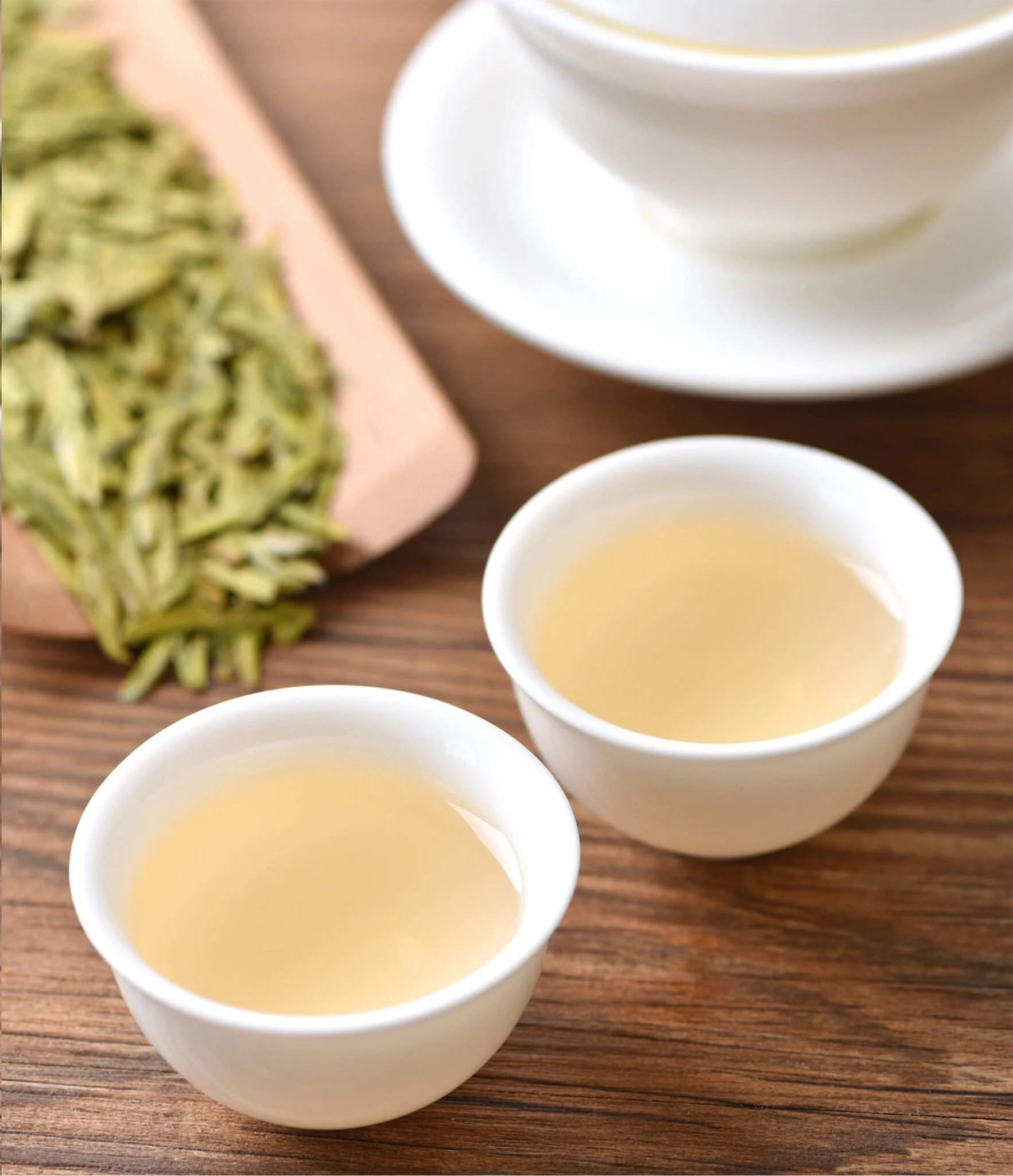
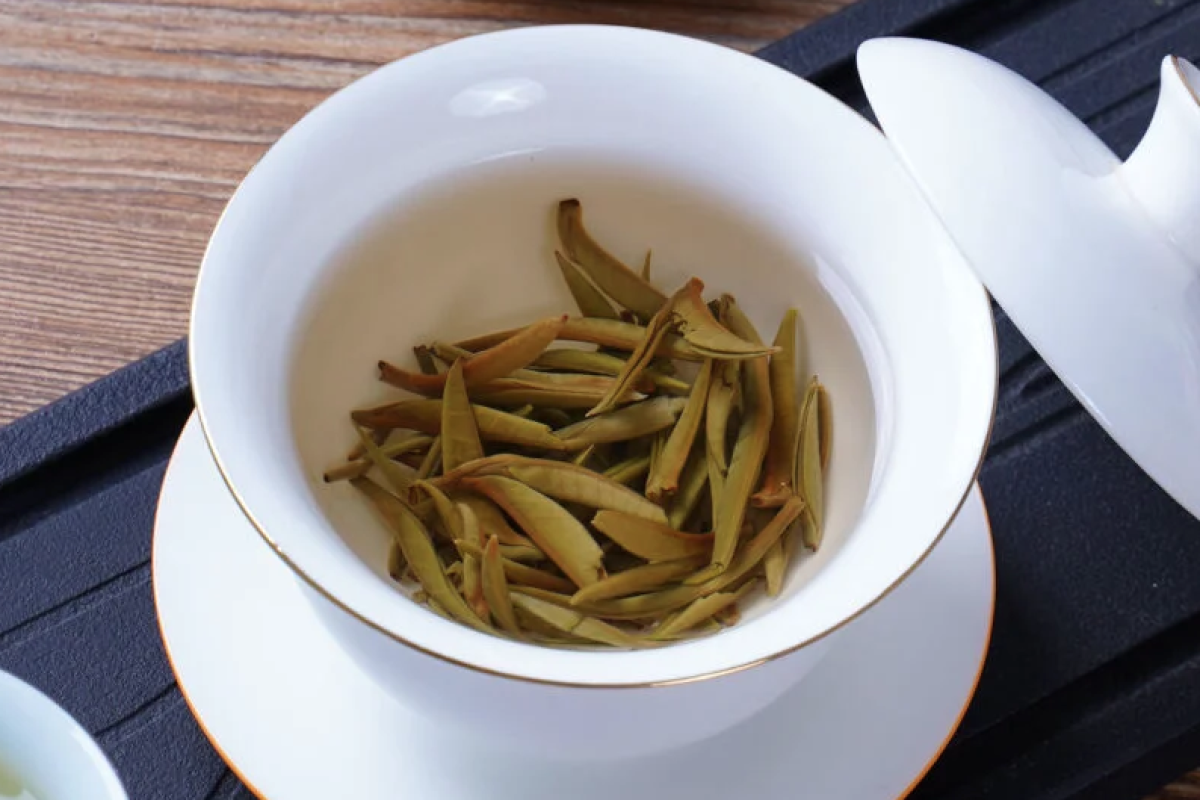
Silver Needle is buds only, picked before Qingming, silvery and downy in the hand. It brews pale, bright, and faintly green-gold, and it tastes delicate and sweet with a long finish. It is also the tea people have in mind when they claim white tea is secretly strong, and per gram they have a point.
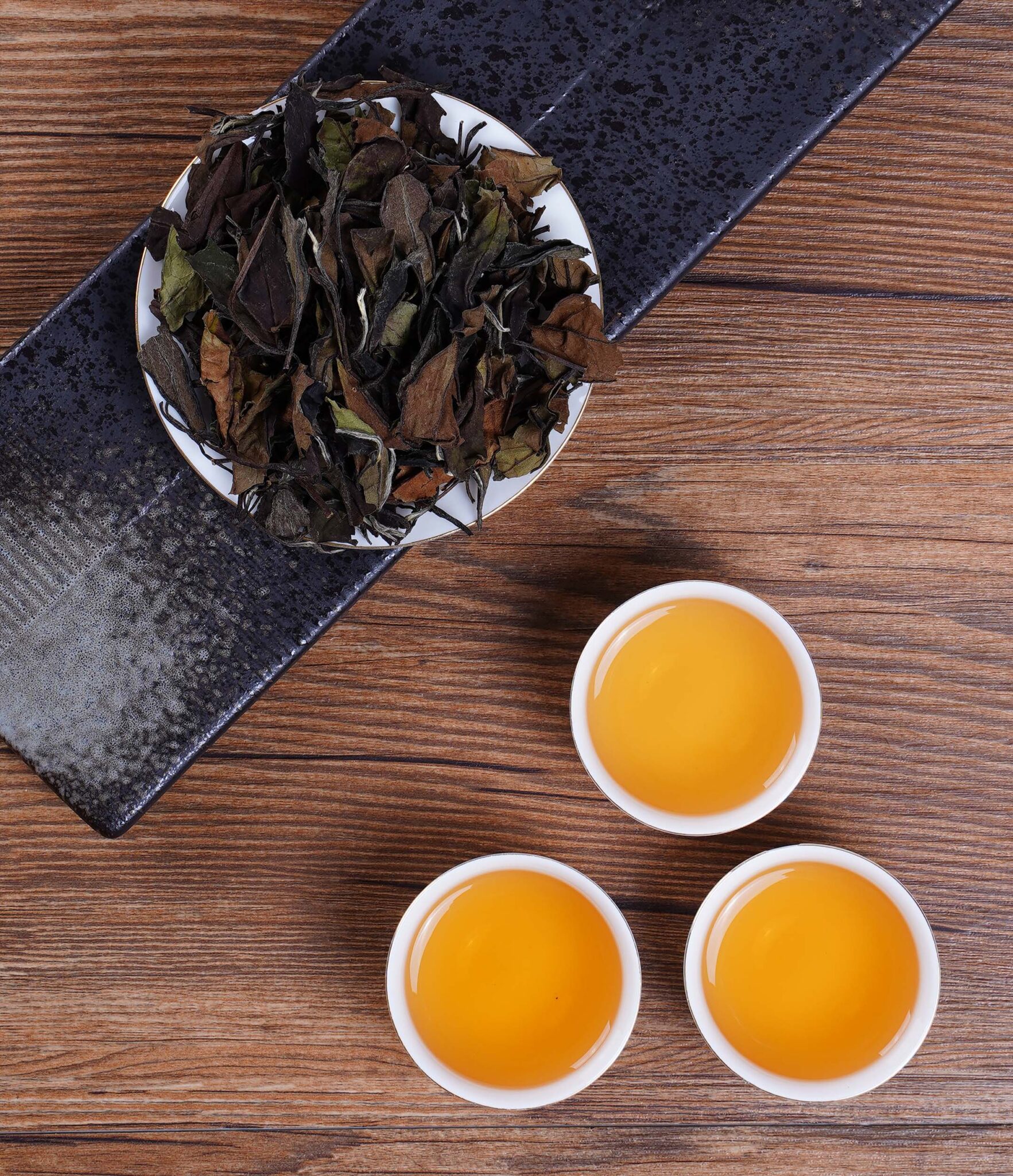
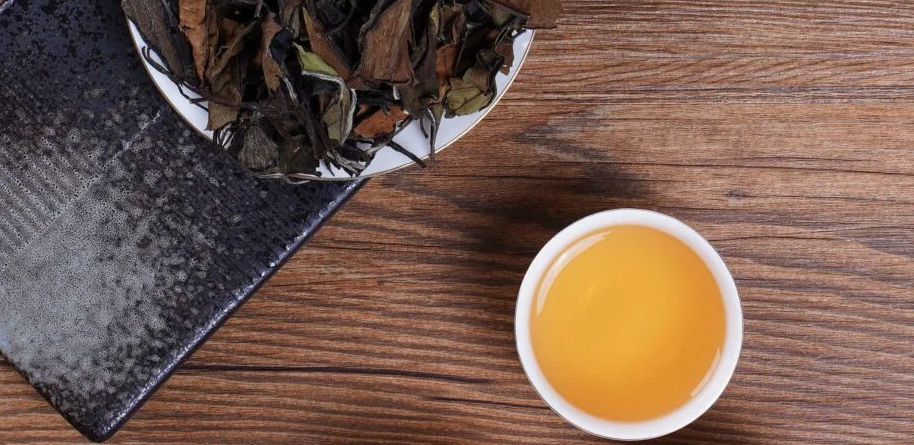
Shoumei is picked later, one bud with three to five leaves, and the dry leaf is brown and looks like something that fell off a tree. The liquor comes out orange to dark yellow. It tastes thicker and rounder than Silver Needle, which is why it works so well after a heavy meal.
If a single caffeine figure were meaningful for a whole tea category, these two would need to share one. They do not, and no page quoting you a flat number for white tea is telling you which of them it measured.
In the cup, the brewing convention wins for both. Cooler water and a patient steep is the standard treatment, and it is also what protects the sweetness in the Silver Needle and the smooth body in the Shoumei. Brew either like a breakfast black tea and you get more caffeine and a duller cup in the same move, which is a poor trade in both directions.
If you want the caffeine lower still, brew gongfu style in a small gaiwan and pour off the first quick infusion before you start drinking. Caffeine leaves early, so that rinse costs you less aroma than you would expect.
Tea bags, loose leaf, and a result worth knowing
With black tea, format matters a great deal. Broken leaf and dust in a cup-sized bag expose far more surface area to the water, and the same study measured 39 mg per 200 mL from bags against 24 mg from loose leaf.[1]
White tea behaved differently. Serving method made no significant difference to caffeine in green and white teas in that experiment.[1] Whole buds do not shatter into dust the way black tea does, so the surface area gap that drives the effect in black tea largely disappears.
Loose leaf still gives you a better cup of white tea, for flavour and for the ability to re-steep. It is just not the caffeine lever here. If you want the fuller comparison, we wrote about loose leaf against teabags separately.
Does white tea have caffeine like green, oolong, or coffee?
Against coffee, white tea runs somewhere near a quarter to a third of the caffeine per cup, and it arrives differently. Tea carries L-theanine, an amino acid found in the tea plant and effectively absent from coffee, which has been studied for its effects on stress and cognitive performance.[2] Drinkers tend to describe the result the same way without being asked: steadier, longer, less jagged.
Against other teas, the honest answer is that the ordering depends on the brewing, not the colour. Under one protocol white sat below green and above oolong. Under a different protocol the order could shift. If you want the same question answered for the other two, we have written up caffeine in oolong tea and caffeine in green tea, and there is an older piece here comparing tea and coffee directly.
Drinking white tea later in the day
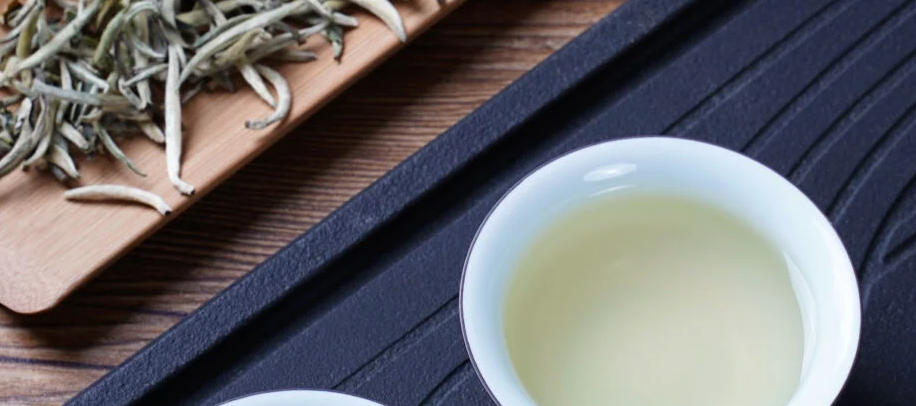
White tea is a reasonable choice for the late afternoon, and it is one of the more forgiving teas to brew weak on purpose. Shorten the steep, drop the temperature, use a little less leaf, and you have a cup that tastes like itself while carrying less caffeine than the same leaf pushed hard.
No true tea is caffeine free. Decaffeinated white tea exists but is rare, and the process costs the tea much of what makes it worth drinking. If you need nothing at all after dinner, a flower tea is the more sensible route than a stripped-down white.
The FDA puts 400 mg a day as the level not generally associated with negative effects for healthy adults, and notes that caffeine content varies widely between products.[3] Against that ceiling, white tea leaves a great deal of room.
Browse the white tea collection. Start with Silver Needle if you want the delicate end of the category, Shoumei if you want something rounder to drink after dinner. Brew either one cool.