
Most white tea guides stop at Silver Needle. That leaves out the grade Fujian drinkers keep in the cupboard year after year. Shou Mei is white tea made from mature leaf picked late in the season. It costs less than the bud-only grades, brews stronger, and ages further.
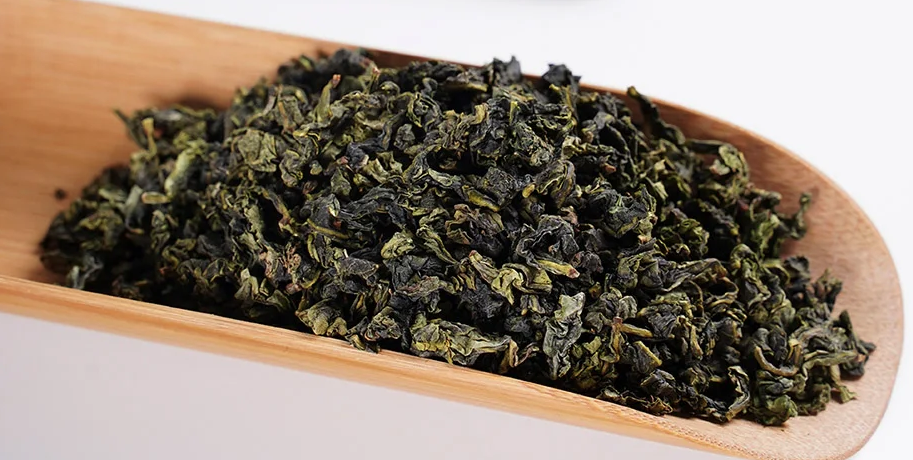
Shou Mei is a Fujian white tea produced from large, mature leaves and stems harvested after the spring bud picking is finished. The leaves wither for several days, then go straight to a low roast. Those two steps are the entire process, which is why Shou Mei tastes like the leaf it came from and why it keeps developing for years in the jar.
The name describes the leaf, not the flavor
“Shou” means longevity and “Mei” means eyebrow. The name points at the shape of the finished leaf, which curves like the long eyebrow of a man who has lived a long life. Chinese tea naming tends to work this way, describing the dry leaf in the hand instead of the liquor in the cup.
You will see the name written as Shou Mei, Shoumei, or Sow Mee depending on the romanization. All three refer to the same tea.
Where Shou Mei sits among the white tea grades
Fujian white tea is graded by what part of the plant gets picked, and when. Four grades, in descending order of bud content:
| Grade | What gets picked | Character |
|---|---|---|
| Silver Needle (Bai Hao Yin Zhen) | Unopened buds only | Delicate, honeyed, expensive |
| White Peony (Bai Mu Dan) | One bud, two leaves | Balanced, floral, mid-priced |
| Gong Mei | Bud with larger leaf | Fuller, less common |
| Shou Mei | Mature leaf and stem, no bud requirement | Bold, sweet, ages well |
Grade measures picking standard, not quality. A carefully made Shou Mei from a good farm beats a careless Silver Needle every time. What the grade tells you is how the tea will behave. More bud means more delicacy and a shorter, cooler steep. More leaf means more body, more sugar, and a tea that tolerates hotter water and rougher treatment.
Shou Mei sits at the far end of that scale, which makes it the grade that tolerates the most brewing error. Water 10 degrees too hot or a steep 20 seconds too long will not wreck it the way it would wreck a Silver Needle.
Picked from spring through autumn
Shou Mei can be picked from spring to autumn, which separates it from the bud grades that live and die by a narrow pre-Qingming window. After picking, the leaves and stems wither for several days. Withering lets the grassy note fade and allows a light, natural fermentation to start. The leaves are then roasted directly into rough tea.
Withering and roasting is the whole of it. Oolong by comparison requires bruising, oxidation, fixing, rolling, and several rounds of roasting, which is why white tea is described as the least processed of the six Chinese tea types.
The trade-off is that white tea hides nothing. A roasted oolong can carry a mediocre leaf on roast character alone, and rolling can force flavor out of tea that would not give it up otherwise. White tea has neither option, so the quality of the picking is what you taste. That is why we buy our Shou Mei direct from the farm in Fujian rather than through a broker.
What Shou Mei tastes like
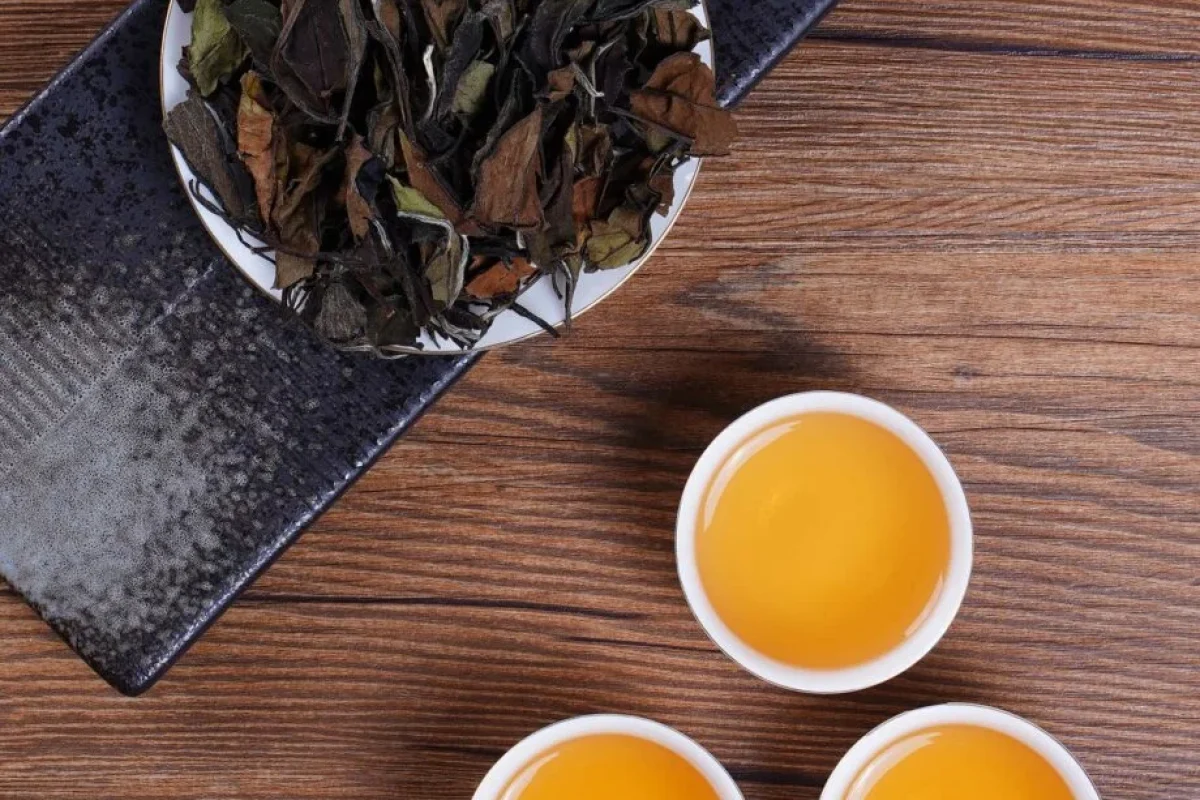
Fresh Shou Mei brews a pale gold liquor with a soft body. Expect dried hay, melon, and a clean mineral finish, with a sweetness that sits at the back of the throat after you swallow. It is rounder and less floral than Silver Needle, and it carries noticeably more weight on the palate. It also carries less caffeine than the bud grades, since caffeine concentrates in the bud rather than the mature leaf. We cover the numbers in white tea caffeine.
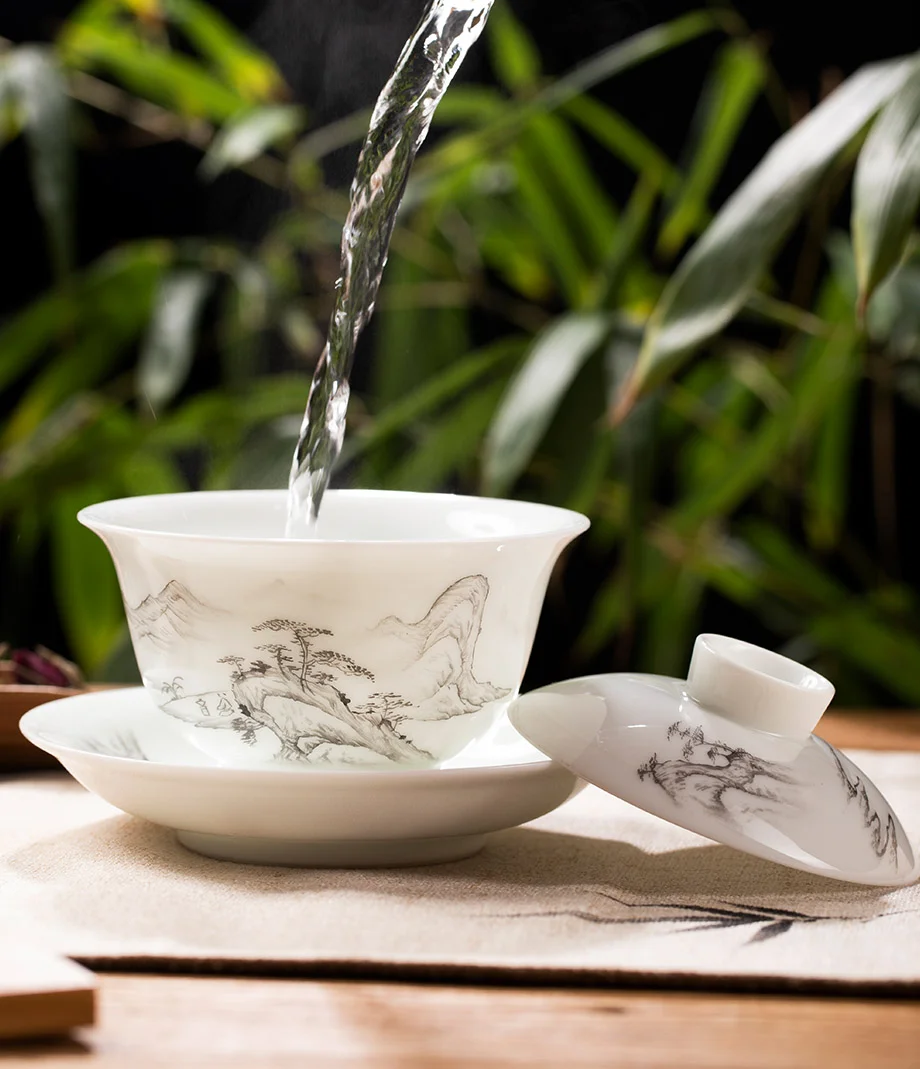
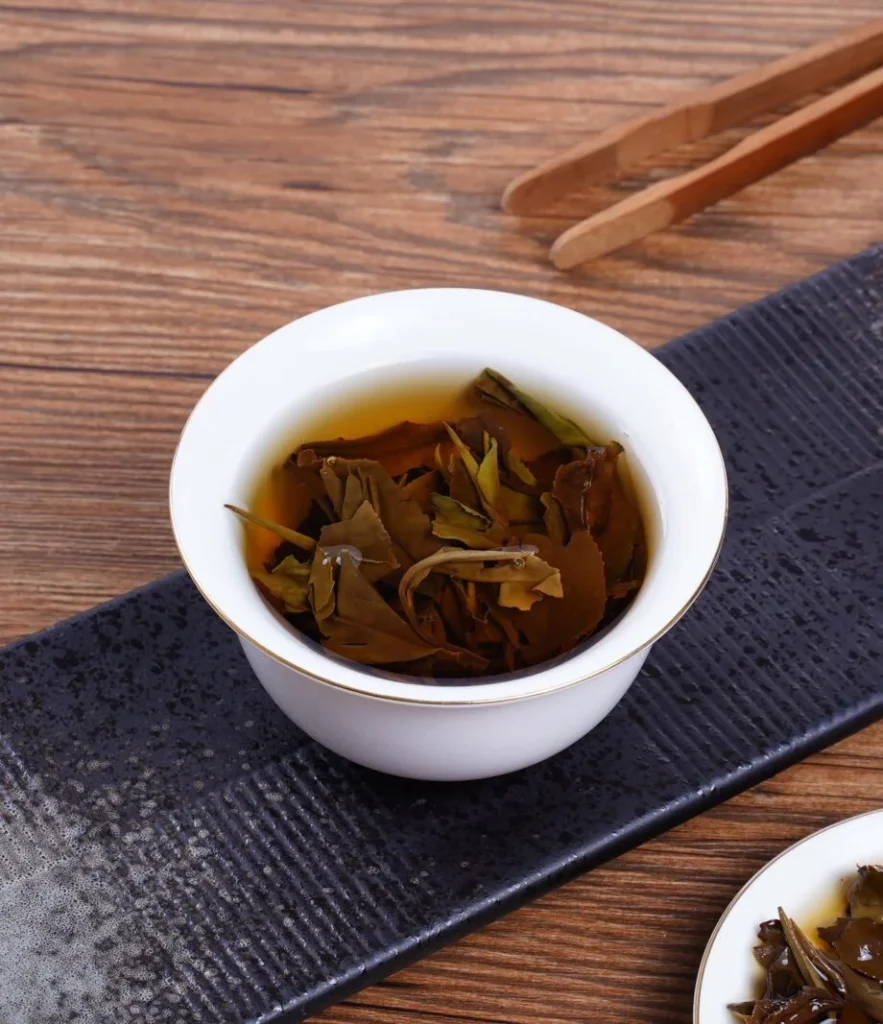
Because the leaves are mature, Shou Mei also holds up to more infusions than the bud grades. A good one gives you 6 to 8 steeps in a gaiwan before it thins out.
Aged Shou Mei tastes little like the fresh version. The hay note deepens into dried fruit and dates, the sweetness turns faintly woody, and the liquor darkens toward amber. This is the direction most Fujian drinkers are after.
Shou Mei ages better than any other white grade
An old Fujian saying about white tea runs: one year tea, three year medicine, seven year treasure. White tea keeps changing in storage, and the change is usually an improvement.
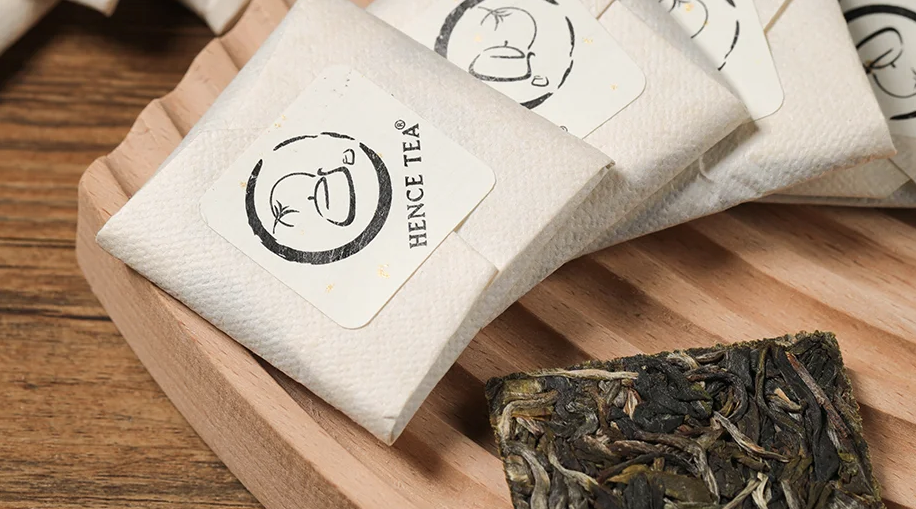
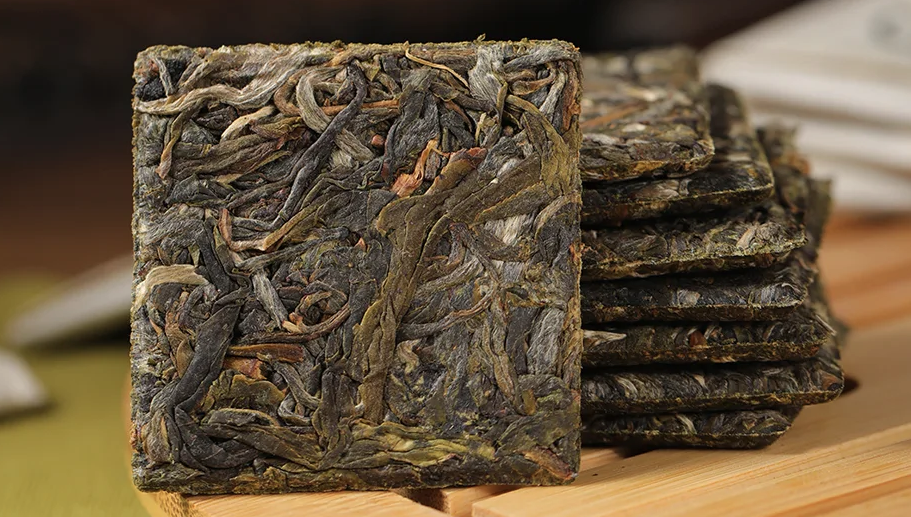
Shou Mei is the grade best suited to it. The mature leaf and stem carry more of the compounds that convert slowly over time, so aged Shou Mei develops depth that an aged Silver Needle never quite reaches. This is also why Shou Mei is the grade most often pressed into cakes. Compression slows the exchange with air and gives the tea a more even, gradual transformation.
If you are buying Shou Mei to age, buy more than you plan to drink. The tea you open in year seven should come from the same batch as the tea you tasted in year one, or you lose the ability to track what changed.
How to brew Shou Mei
Shou Mei takes hotter water than most people expect from a white tea. The mature leaf needs the heat to open. Water that is too cool produces a thin, flat cup and gets blamed on the tea.
Gongfu method, in a gaiwan:
- 5 grams of leaf per 100ml
- Water at 200°F to 208°F
- Rinse once for 5 seconds, discard
- First infusion 10 seconds, adding 5 seconds to each following steep
- Expect 6 to 8 infusions
Western method, in a mug or pot:
- 3 grams per 250ml
- Water at 195°F to 205°F
- Steep 2 to 3 minutes
- Re-steep twice, adding a minute each time
A gaiwan is the better vessel here because Shou Mei’s leaves are large and need room to unfurl. It also lets you pull the liquor off the leaf the moment it is ready, which matters more with aged Shou Mei where the sweet window is narrower.
Aged cakes need one adjustment: break the leaf gently with a tea pick rather than snapping the cake, and give it a longer 10 second rinse to wake it up.
Storing Shou Mei
If you are drinking it within the year, an airtight tin away from light and heat is enough. If you are aging it, the requirements change. Shou Mei needs a small amount of air exchange to develop, so a sealed jar is wrong. Use a clean cardboard box or an unglazed clay jar, keep it above 20°C in a room with stable humidity, and keep it away from the kitchen. White tea absorbs smells readily and never gives them back.
Our full guidance on this lives in tea storage and maintenance.
Where to start
If you have never had Shou Mei, start with a fresh loose-leaf harvest rather than an aged cake. Learn what the tea tastes like at year one so you have a reference point for what aging does to it. Brew it gongfu style at full temperature and pay attention to the third and fourth infusions, which is where the melon sweetness usually peaks.
Browse the full white tea collection, or start with our Fujian Shou Mei.