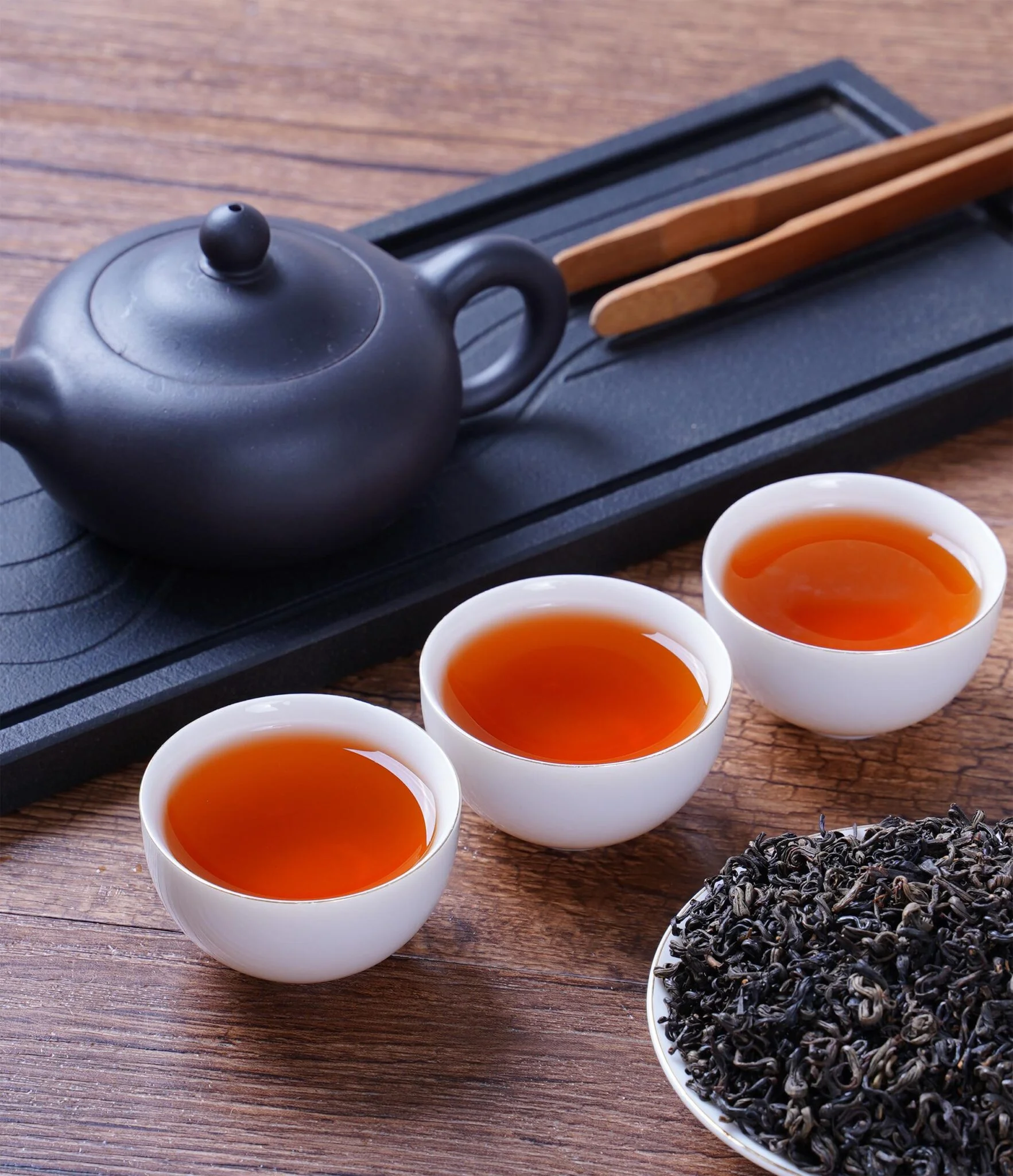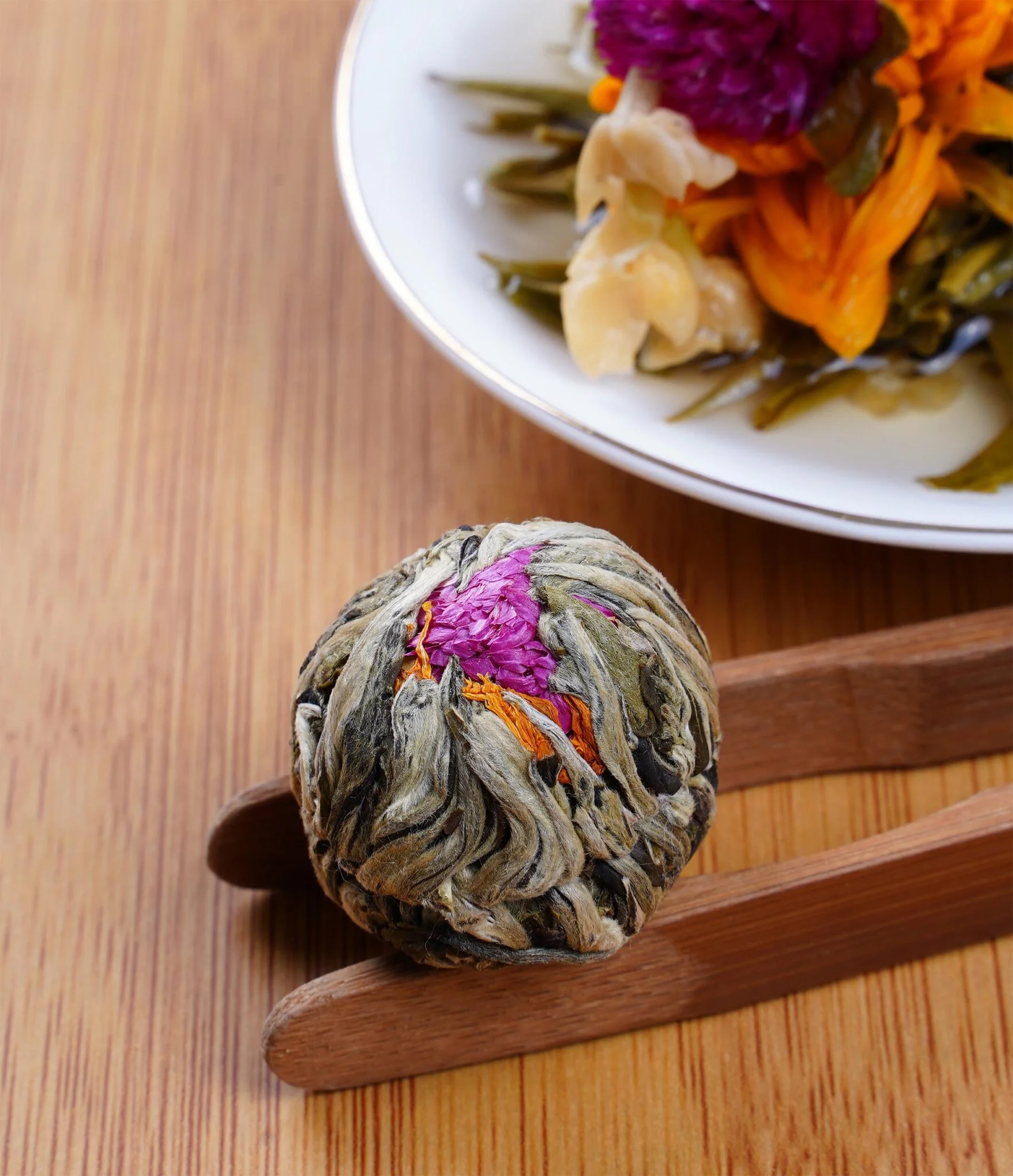

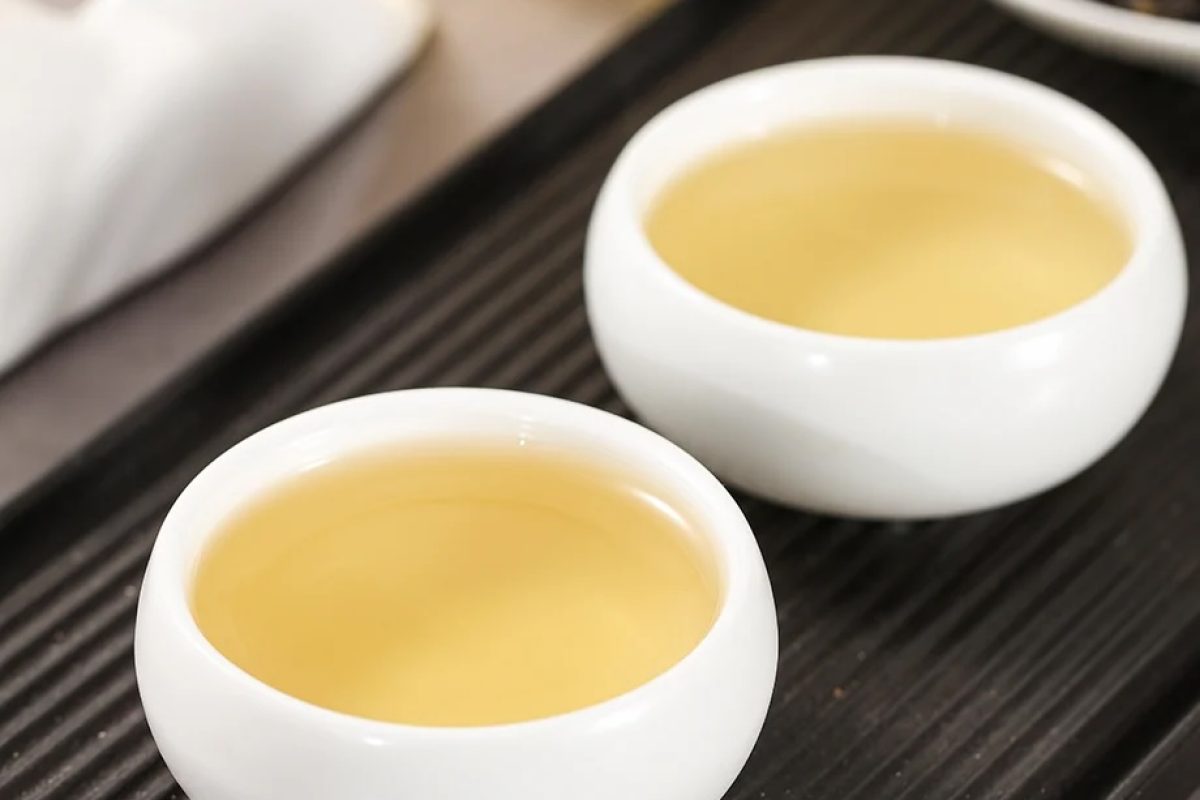
It has one of the least appetizing names in tea and one of the most fragrant cups. Duck shit tea, or Ya Shi Xiang, is a Phoenix Dancong oolong from the mountains of Guangdong, prized for an aroma that runs to gardenia, orchid, and ripe stone fruit. The name is a joke the farmers told on purpose, and it stuck.
Duck shit tea is Ya Shi Xiang (鸭屎香), a single-cultivar Phoenix Dancong oolong. “Ya shi xiang” translates literally as “duck droppings fragrance.” The tea earned the name not from how it smells or tastes but from a story about the farmer who first grew it. Today it is one of the most sought-after Dancong cultivars Hence sources, and the ugly name has become a badge of honor among drinkers who know what is in the cup.
So why “duck shit tea”?
The short version: the name is camouflage.
Phoenix Mountain, or Fenghuang Shan, has grown tea for centuries, and the best individual bushes are guarded like family secrets. A farmer with a remarkable bush had a problem. Once neighbors tasted the tea, they would want cuttings, and a famous cultivar gets copied fast. The story passed down on the mountain is that the farmer, asked what made his tea so good, waved it off and credited the unremarkable yellowish soil it grew in, soil the locals likened to duck droppings. Whether the deflection was about the soil or the tea itself depends on who is telling it, but the intent is the same: make it sound unremarkable so no one comes asking.
The cover worked for a while. The cup did not stay secret. As the tea spread, sellers tried to rebrand it with a prettier name, Yin Hua Xiang, “silver flower fragrance.” Drinkers refused. They had fallen for the tea under the name Ya Shi Xiang and were not going to call it anything else. The unappetizing name is now the selling point.
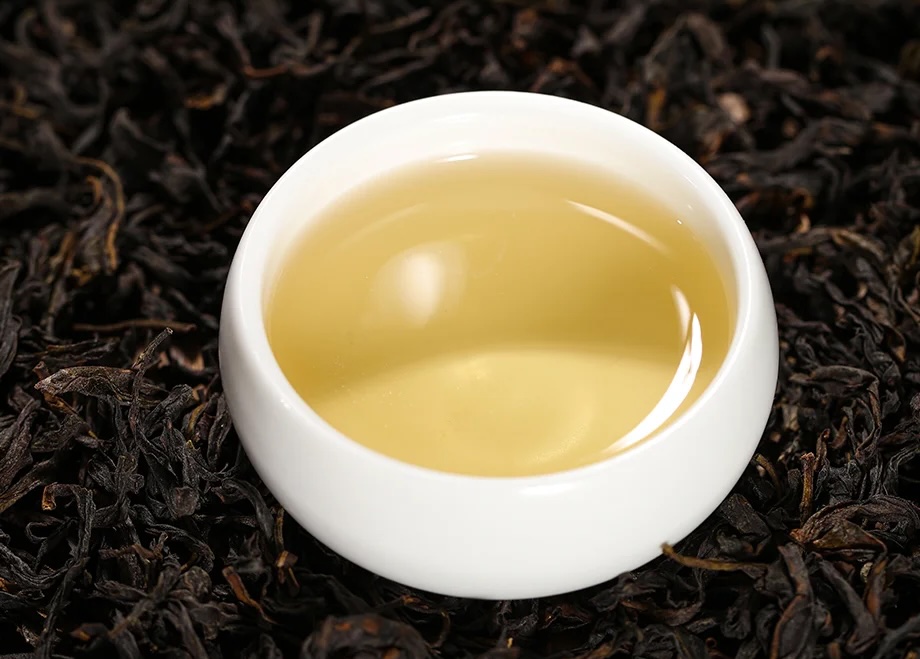
The two origin stories
Two accounts circulate on Phoenix Mountain, and reputable sources tell both. We pass them along as stories, not settled history.
- The soil story. The original bush grew in a patch of yellowish, mineral-heavy earth that locals compared to duck droppings. The tea took the name of the ground it came from.
- The decoy story. The farmer invented the name, or leaned into it, to keep buyers and copycats away from a bush he wanted to keep for himself.
Both can be true at once. A farmer sitting on a special bush in oddly colored soil has every reason to let an unflattering name do the work of a fence. What is not in dispute is the result: a cultivar with a market-stall name and a cup that does not match it.
What it actually tastes like
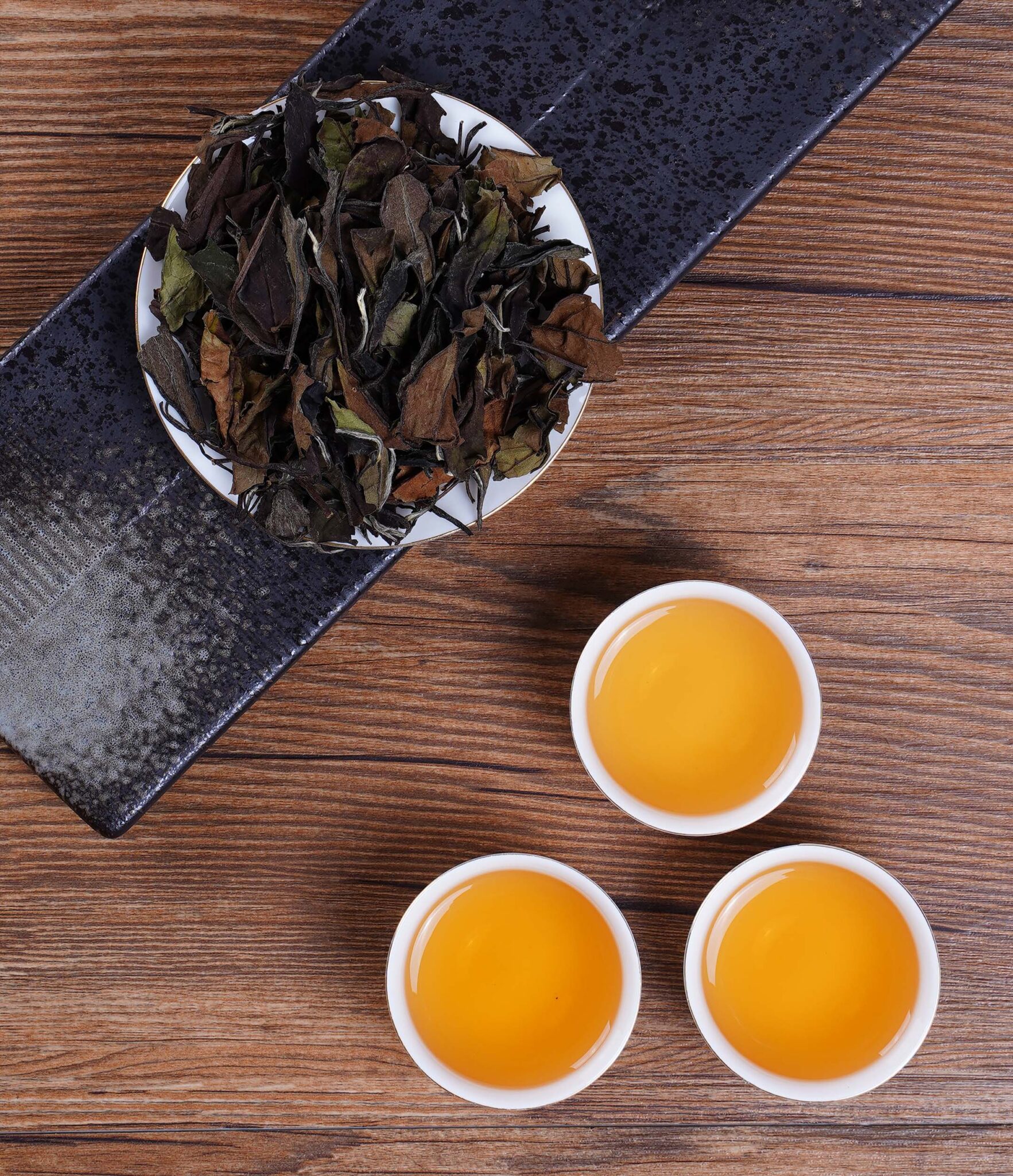
Nothing about the flavor suggests the name. Ya Shi Xiang is high-aroma even among Phoenix Dancong, a family of teas defined by intense, perfume-like fragrance. Expect:
- Aroma: gardenia and orchid up front, with magnolia and honey behind it.
- Flavor: ripe stone fruit, a clean honey sweetness, and a light, lingering floral finish.
- Body: smooth and full, with the gentle astringency typical of a well-made oolong, never harsh when brewed right.
That fragrance is the whole point of Dancong. The category is organized around aroma “types,” each named for a flower, fruit, or scent it evokes, from Mi Lan Xiang (honey orchid) to Huang Zhi Xiang (gardenia). Ya Shi Xiang sits among the most aromatic of them. We break down the full set in our guide to the ten Dancong aromas, and if duck shit tea is your entry point, Mi Lan Xiang honey orchid is the natural next cup.
Where it really comes from: Phoenix Mountain
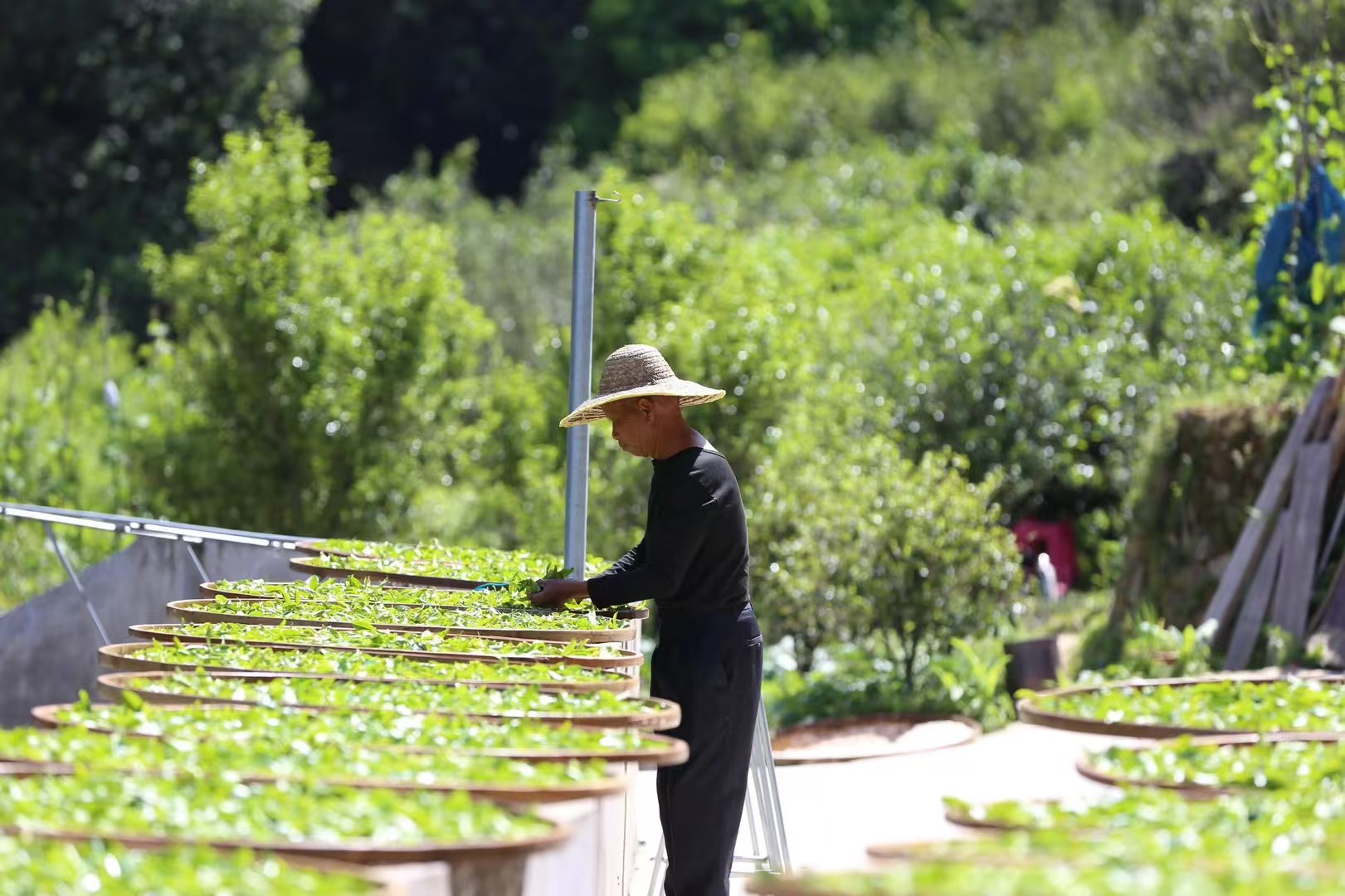
Ya Shi Xiang is not a flavor house blend. It is a place. Real Phoenix Dancong grows on Fenghuang Shan in Chaozhou, Guangdong, on slopes that climb from roughly 500 to 1,400 meters. Altitude, old bushes, and slow mountain weather concentrate the aromatics that make the cultivar what it is.
“Dancong” means “single bush.” Historically the finest Dancong came from one mother bush, propagated by cuttings to keep the cultivar’s character intact. That lineage is why provenance matters more here than with most teas. A bag labeled “duck shit oolong” tells you almost nothing. The farm, the elevation, and the harvest window tell you everything.
This is the part we care most about. The Ya Shi Xiang we sell is sourced direct from growers on Phoenix Mountain, not through a broker. You can read about the trip and the people behind the leaf in our Phoenix Mountain sourcing journey and our field notes from Wu Dong village. Bush age and growing conditions shape the aromatic compounds in the cup. Where and how the bush grows decides what you taste.
How to brew Ya Shi Xiang (gongfu method)
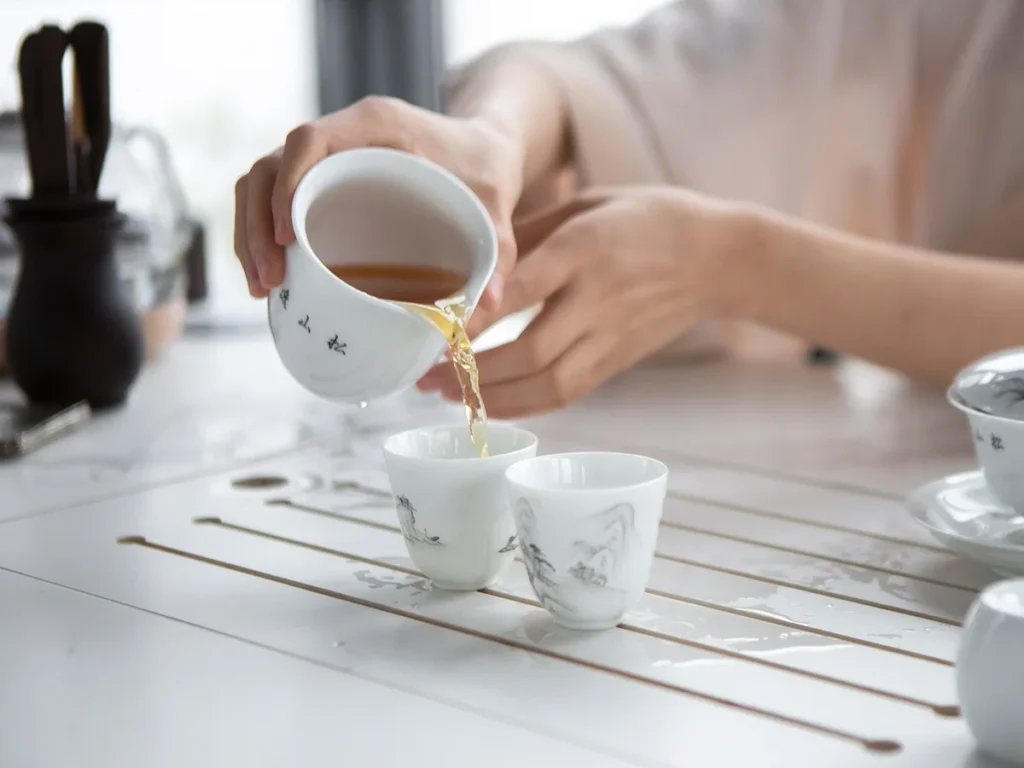
Phoenix Dancong rewards a gongfu approach: more leaf, less water, short steeps, many rounds. Brewed Western-style in a big mug, it turns bitter and you lose the aromatics that make it worth drinking.
| Parameter | Setting |
|---|---|
| Vessel | Gaiwan, 100 to 150 ml |
| Leaf | 7 to 8 g |
| Water | 95 to 100°C (just off the boil) |
| Rinse | 5 to 10 sec, then discard |
| First steep | 8 to 10 sec |
| Following steeps | Add 3 to 5 sec each round |
| Infusions | 8 to 15 |
A few notes that matter:
- Keep steeps short. Dancong is high in aromatics and will turn astringent if you over-steep. Pour fast, especially the first few rounds.
- Use near-boiling water. Oolong needs the heat to release its fragrance. Green-tea temperatures will leave the cup flat.
- Smell the empty cup. Pour the tea out, then smell the warm, empty vessel. The lingering aroma, the “cup fragrance,” is where Ya Shi Xiang shows off.
A loose-leaf oolong like this one is built for repeat infusions. One serving of leaf can carry you through a full afternoon.
Roasted vs unroasted
Ya Shi Xiang comes two ways, and they drink differently.
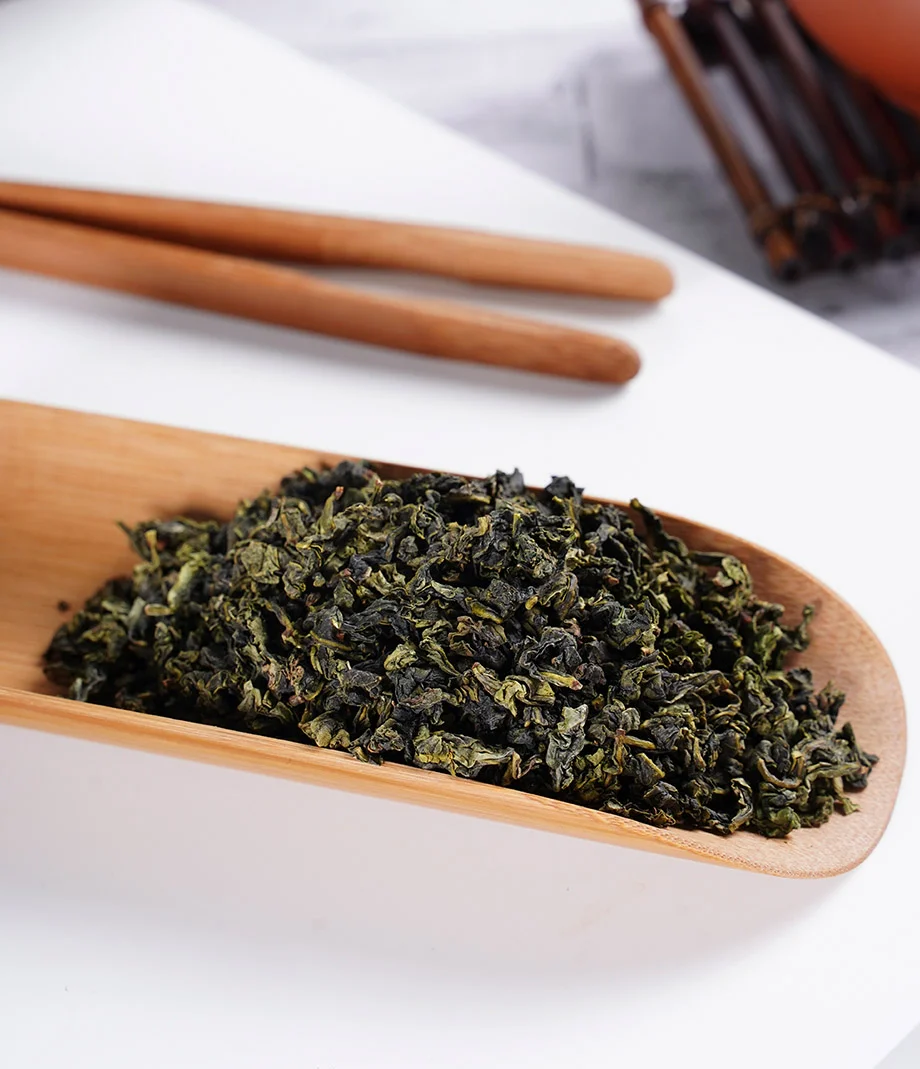
- Unroasted (or lightly roasted): brighter, greener, more overtly floral. The gardenia-and-orchid character is loud and immediate.
- Roasted: the fire mellows the high notes and trades some floral lift for warmth, baked fruit, and a rounder, sweeter body. Roasting also helps the tea keep longer.
Neither is more correct. If you are chasing the perfume, start unroasted. If you like a cozier, deeper cup, the roasted Ya Shi Xiang is the one. Most Dancong drinkers end up keeping both.
Don’t let the name fool you
Duck shit tea is the rare case where the worst name in the room belongs to one of the best teas. Ya Shi Xiang earned its label through a farmer’s misdirection and kept it because drinkers refused to give it up. Underneath the joke is a single-bush Phoenix Dancong with a gardenia nose and a honey finish, grown on real mountain slopes by people we buy from directly.
Brew it gongfu style, smell the empty cup, and the name stops being a punchline. Try our Phoenix Dan Cong Ya Shi Xiang and taste why the farmers never let the pretty name win.