
Pour a gongfu brew straight from the gaiwan into four cups and the first cup is weak, the last one is strong, and the leaf keeps steeping the whole time you are pouring. Every drinker gets a different tea. The fix is one extra vessel and one extra second.
A gong dao bei is a small pitcher that holds the finished brew before it reaches the cups. You empty the gaiwan or teapot into it in a single motion, swirl once, then serve from the pitcher. The infusion mixes into one consistent liquor, and the leaf stops steeping the moment the vessel is empty. Those are the two jobs. The vessel is a plain open pitcher, which is all either job requires.
What the name means
Gong dao bei, 公道杯, translates as fairness cup. The fairness is literal: every guest receives tea of the same strength, regardless of who is served first.
You will see three other names for the same vessel.
- Cha hai, 茶海, sea of tea. The most common alternative and the one you will hear in Chaozhou.
- Cha zhong, 茶盅, tea cup or tea receptacle.
- Fairness pitcher or sharing pitcher in English catalogs.
They all describe one thing. If a shop lists a cha hai and you are looking for a gong dao bei, you have found it.
The problem it solves
Two things go wrong when you pour from the brewing vessel straight into cups.
The gradient. Tea at the start of a pour is more dilute than tea at the end. Serve four cups in sequence and you are handing out four different concentrations of the same infusion. With one drinker this does not matter. With guests it undoes the point of brewing carefully.
The overrun. A gongfu infusion is timed in seconds. Pouring into four small cups takes longer than pouring into one pitcher, and the leaf goes on extracting for the whole of it. The tea in the last cup is not just stronger by gradient, it steeped longer. Decanting into a gong dao bei ends the infusion in one motion, which is why the vessel matters even when you are drinking alone.
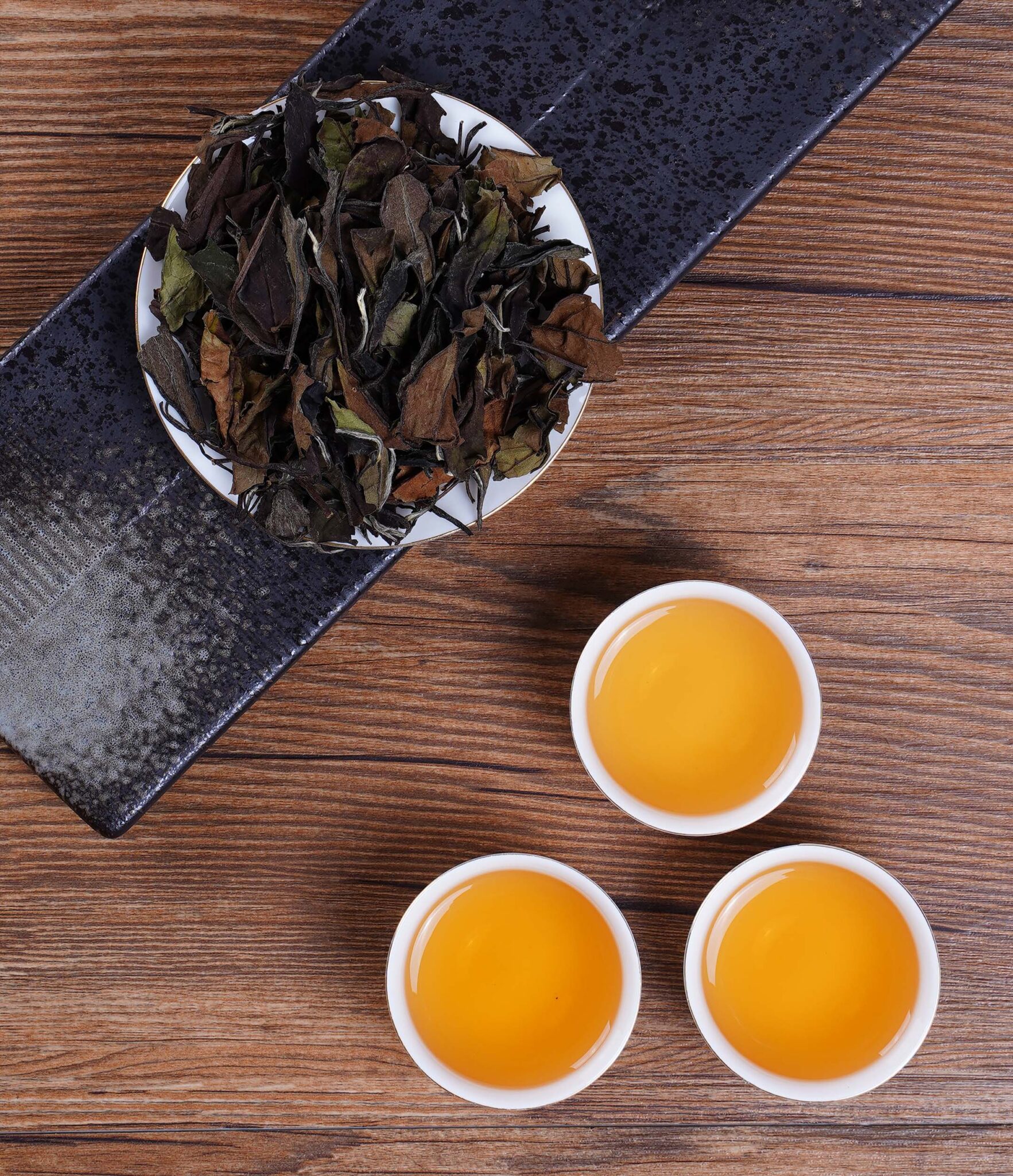
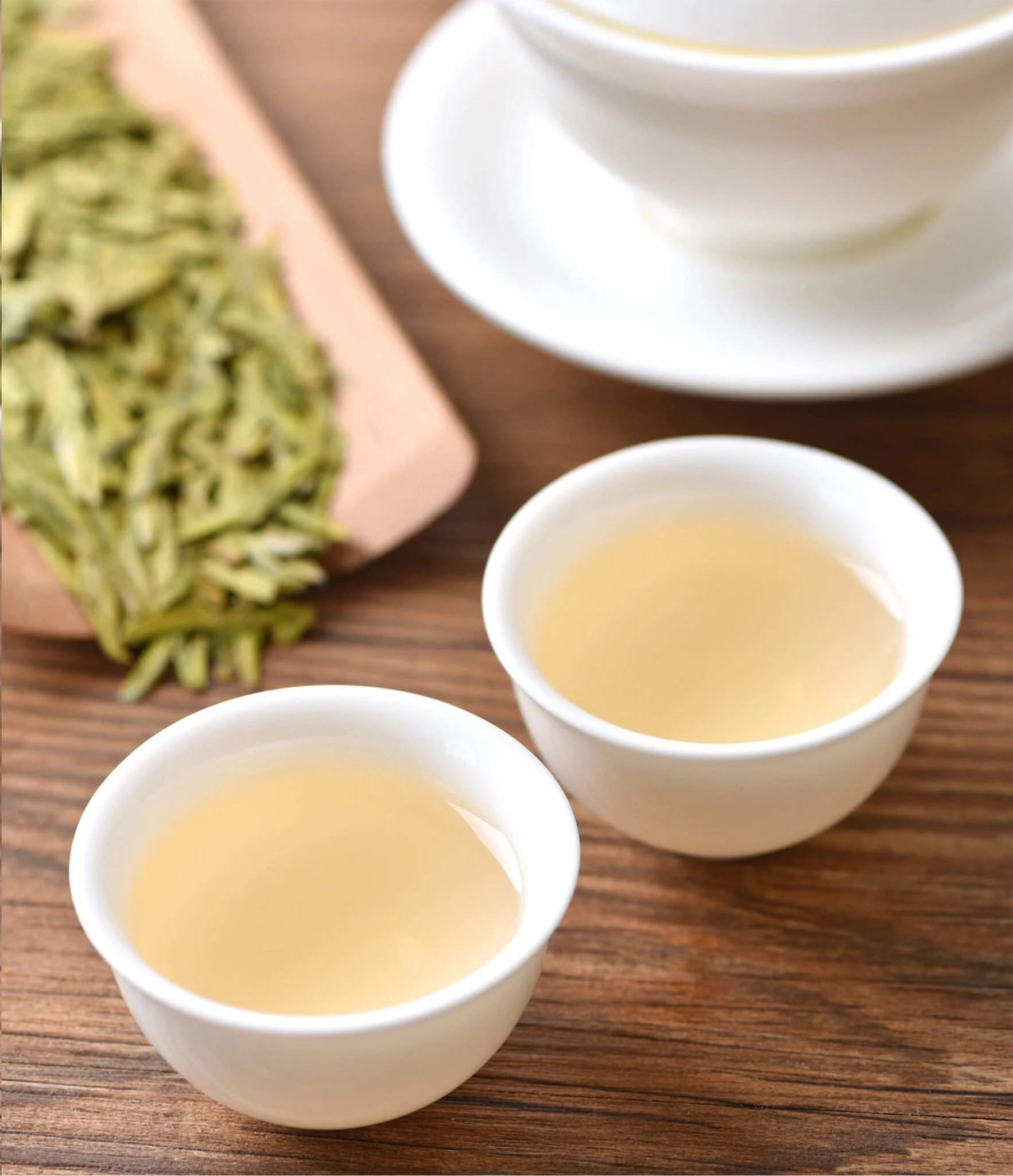
There is a third use that has nothing to do with fairness. Liquor in a clear pitcher is the easiest place to read color. In a dark cup you cannot see whether an oolong came out pale gold or deep amber, and color is the fastest signal you have that a steep ran long or short.
Sizing: bigger than your brewing vessel
Your gong dao bei must hold more than your gaiwan or teapot, with room to spare. If it does not, you cannot empty the brewing vessel in one pour, which defeats the purpose.
| Brewing vessel | Gong dao bei capacity |
|---|---|
| 100ml gaiwan | 150ml to 200ml |
| 120ml gaiwan | 180ml to 250ml |
| 150ml gaiwan or clay pot | 250ml to 300ml |
| Two vessels in rotation | 300ml or more |
Buy for the vessel you actually brew with. A 400ml pitcher paired with a 100ml gaiwan leaves the liquor in a thin layer at the bottom, where it cools fast and pours awkwardly. Oversizing costs you heat.
Our glass fairness cups sit in the range that suits a standard 100ml to 120ml gaiwan, which is the size most people brew with.
Glass, porcelain, or clay

Three materials, three trade-offs. None is the right answer for everyone.
Glass shows you the liquor. That is the whole case for it, and it is a strong one, especially while you are still learning to judge a steep by eye. Glass is neutral, so it carries nothing between teas, and it is easy to check for cleanliness. It loses heat faster than the other two.
Porcelain holds heat better than glass and is equally neutral. It suits a table where the gaiwan is porcelain too, and it hides nothing except the color. Choose it when you already know your teas well enough not to need the visual check.
Clay absorbs. Unglazed zisha takes on the character of whatever passes through it, which is a feature in a teapot dedicated to one tea and a problem in a pitcher that sees everything. If you use a clay gong dao bei, dedicate it the way you would dedicate a pot: one tea family, nothing else.
For a first pitcher, buy glass. The feedback you get from watching color develop across infusions is worth more than the few degrees of heat you give up.
Where it sits in the sequence
The gong dao bei enters late and leaves early.
- Warm it along with the gaiwan and cups. Pour the rinse water through the pitcher on its way to the waste bowl. A cold pitcher pulls heat out of the first infusion, which is the one that matters most.
- Brew in the gaiwan or clay pot as usual.
- Empty the vessel completely into the pitcher in one continuous pour. Do not stop halfway. Anything left behind keeps steeping and turns the next infusion bitter.
- Swirl once. A single rotation is enough to even out the liquor. More than that cools it.
- Pour into the cups, filling each to about 70 percent. Serve immediately.
- Empty the pitcher before the next infusion. Liquor sitting in the pitcher cools and flattens while the next steep is running.
A strainer is optional. Pour through a tea strainer into the pitcher if you are brewing a broken-leaf tea or a compressed pu-erh that sheds fragments. A gaiwan lid already strains most whole-leaf tea well enough.
For the full brewing sequence around this step, read our guide to using a gaiwan.
Do you actually need one
If you drink alone and pour straight into a single cup, you do not need one for fairness. You may still want one to stop the infusion cleanly and to read the color. Both are real, and both matter more as the tea gets more expensive.
If you ever serve two or more people, you need one. No technique gets around the gradient. It is a property of pouring, and practice does not remove it.
Four mistakes worth avoiding
- Buying too large. The most common error. A pitcher should be a little bigger than your brewing vessel, not twice the size.
- Leaving tea in it between infusions. Serve it or discard it. Do not let it sit.
- Using one clay pitcher for every tea. Clay carries flavor across. Glass and porcelain do not.
- Skipping the warm-up. A cold pitcher costs the first infusion more than most people realize, and the first infusion of a good oolong is the one you paid for.
Where to start
If you already brew with a gaiwan, a fairness pitcher is the next piece to buy, before a tray and before a second pot. Start with the gong dao bei collection, or take a look at the Hence Gong Dao Bei glass No. 1.
Building the table from nothing is easier as a set. The Chaozhou gongfu teaware set arrives with the vessels matched to each other, and our guide to gongfu cha teaware and tools walks through what each piece on the table is for.