

Chinese tea has thousands of years of history and remains one of the world’s most cherished beverages. At Veterans Park in Redondo Beach, we often meet people who are curious about tea — how to brew it, how to choose it, and how it affects the body. Here are the most popular questions people ask us, along with clear answers to help you enjoy Chinese tea with confidence.
1. What are the main types of Chinese tea?
Chinese tea is traditionally categorized by the level of oxidation and processing method. The six main types are:
- Green Tea (绿茶) – Unoxidized; fresh, grassy, vibrant.
- White Tea (白茶) – Very lightly processed; gentle, sweet, soothing.
- Yellow Tea (黄茶) – Lightly fermented; smooth with a mellow sweetness.
- Oolong Tea (乌龙茶) – Semi-oxidized; ranges from floral to roasted.
- Black Tea (红茶) – Fully oxidized; rich, malty, smooth.
- Pu-erh Tea (普洱茶) – Fermented; includes Raw (Sheng) and Ripe (Shou) styles.
China also has specialty and scented teas such as Jasmine tea, Liu Bao, and Dark Tea (黑茶).

2. What is the difference between Raw Pu-erh and Ripe Pu-erh?
- Naturally fermented over years or decades.
- Taste: bright, lively, slightly astringent when young; complex, sweet, and smooth when aged.
- Similar to a living wine—flavor evolves with time.
- Accelerated fermentation through a process called wo dui (wet piling).
- Taste: earthy, smooth, mellow, dark, often with notes of wood or cocoa.
- Ready to drink immediately; no long aging required.

3. Which Chinese teas are the healthiest?
All true teas come from the same plant (Camellia sinensis) and offer antioxidants, minerals, and calming energy. Different teas support different wellness needs:
- Green Tea – High in catechins and antioxidants; supports metabolism, focus, and overall vitality.
- White Tea – Gentle and cooling, rich in polyphenols; great for skin health, immunity, and soothing the body.
- Oolong Tea – Helps digestion, fat metabolism, and balancing energy throughout the day.
- Pu-erh Tea (Raw & Ripe) – Supports gut health, detoxification, and cholesterol regulation due to its natural fermentation.
- Dark Tea (Hei Cha) – Contains probiotic qualities that nourish digestion and long-term wellness.
- Black Tea – Rich in theaflavins and thearubigins; supports heart health, circulation, and stable energy. Its warming nature makes it excellent for mornings and colder seasons.
The “healthiest” tea is the one that aligns with your body’s needs, your daily rhythm, and how it makes you feel.
4. How do you properly brew Chinese tea?
Brewing depends on tea type, but the Gongfu tea method gives the best results:
- Use high-quality loose leaf tea.
- Water temperature:
- Green/Yellow: 175–185°F (80–85°C)
- White: 185–195°F (85–90°C)
- Oolong: 195–205°F (90–96°C)
- Black: 200–210°F (93–100°C)
- Pu-erh: 210°F (100°C)
- Short infusions: 5–20 seconds with multiple steeps.
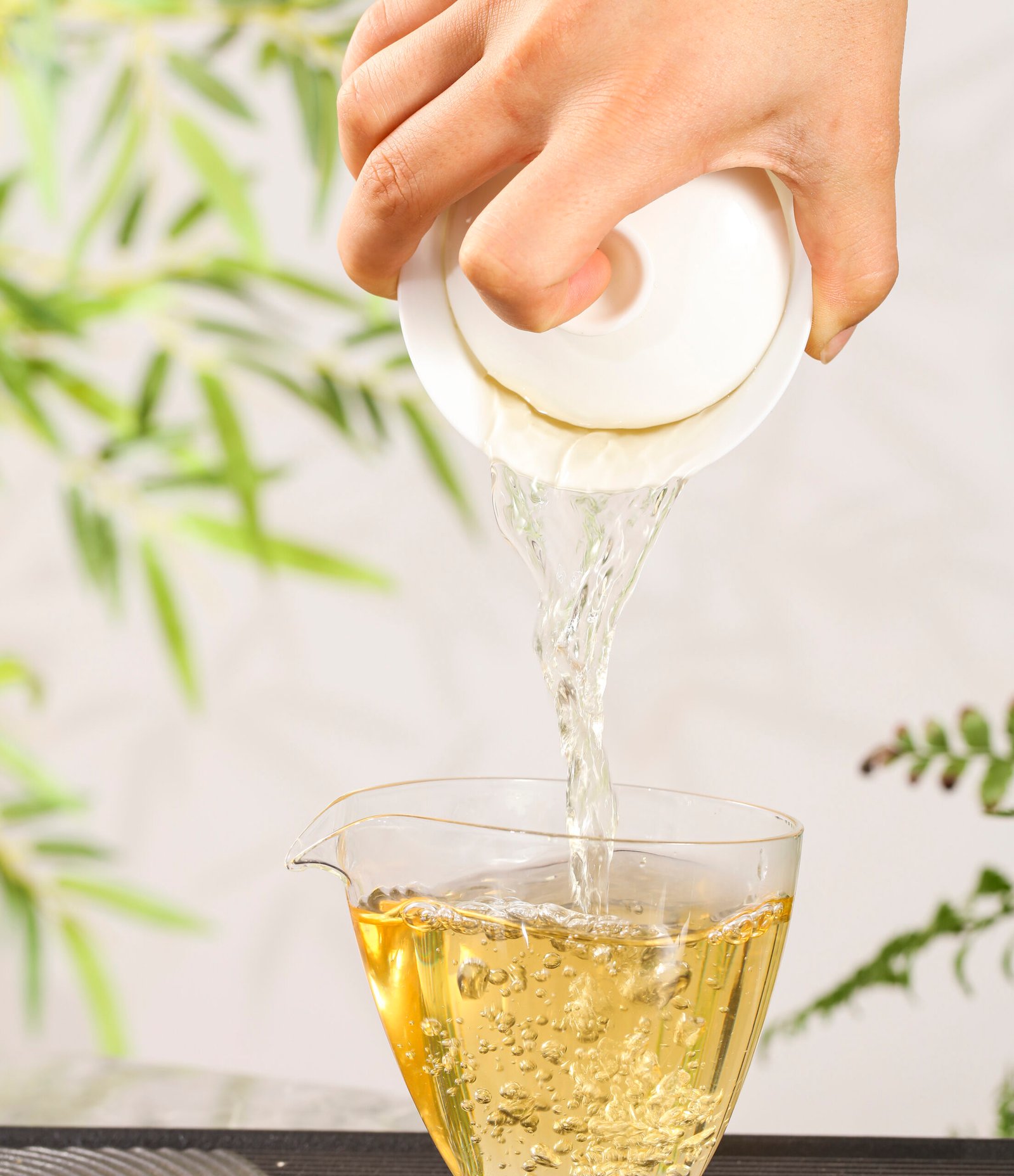
- Small teapot (gaiwan or Yixing pot): higher leaf-to-water ratio, more flavor.
5. How do you store Chinese tea?
General rules:
- Keep away from light, moisture, heat, and strong odors.
- Use airtight containers (tin, ceramic, or clay).
- For green and white teas, refrigeration is okay if sealed properly.
- Pu-erh prefers breathable storage: not in plastic; allow airflow but avoid humidity and odors.
6. Why is Chinese tea so expensive?
Real Chinese tea is labor-intensive and often handmade. Price reflects:
- Seasonal harvests (only once a year for premium teas).
- Skilled hand-picking.
- Mountain terroir and ancient tea trees.
- Limited-production villages.
- Long-term aging for Pu-erh.
- Artisan craftsmanship for processing.
High-end tea is similar to fine wine—rare, handcrafted, and deeply cultural.

7. What is the meaning of Gongfu Tea?
Gongfu (工夫) Tea means “tea made with skill and effort.”
It is a traditional Chinese brewing method that emphasizes:
- High leaf-to-water ratio
- Short, repeated infusions
- Attention to aroma, taste, and mouthfeel
- Respect for tea, nature, and the tea maker
It is not only a brewing technique but also a way to slow down and enjoy life.

8. What equipment do I need for Chinese tea?
Essential tools:
- Gaiwan or Yixing teapot
- Cha hai (fairness pitcher)
- Tea cups
- Tea strainer
- Kettle
- Tea tray or bowl for wastewater
Optional but enjoyable:
- Tea pets
- Aroma cups
- Bamboo tools (scoop, tongs)
9. How can I choose a high-quality tea?
Look for:
- Whole, unbroken leaves
- Natural fragrance (not perfumed or artificial)
- Clean, vibrant color
- Flavor that is balanced, not harsh
- Ability to withstand multiple steeps
- Origin transparency – farm, village, harvest date
- Trustworthy tea merchants
10. What is the history and culture behind Chinese tea?
Chinese tea culture spans over 4,000 years:
- Origin legend: Shen Nong discovered tea in 2737 BCE.
- Tea evolved from medicine → daily drink → cultural art.
- The Tang and Song dynasties refined tea preparation and aesthetics.
- The Ming dynasty introduced loose-leaf brewing.
- Tea became central to hospitality, philosophy, meditation, and friendship.
Tea is a symbol of harmony, respect, purity, and peace.
11. Is loose leaf tea better than tea bags?
Generally, yes.
Loose leaf tea contains whole leaves with full flavor, aroma, and nutrients.
Tea bags often contain broken fannings or dust—lower quality with fewer layers of flavor.
Loose leaf also allows multiple re-steeps and a more authentic experience.
12. How many times can you re-steep tea?
Depends on tea type and quality:
- Green/Yellow: 3–5 steeps
- White: 5–8 steeps
- Oolong: 6–12 steeps
- Black: 3–6 steeps
- Pu-erh: 10–20+ steeps
- Hei Cha: 10–15 steeps
High-quality tea lasts many more infusions than low-grade tea.

13. How do you tell if a tea is organic or clean?
Key indicators:
- Grown in remote mountain regions far from pesticides.
- Whole, strong leaves (pests attack weak plants).
- Clean taste with no chemical or artificial smell.
- Transparent sourcing from farmers you trust.
In China, many of the cleanest teas come from high mountains where chemical use is minimal or unnecessary.
14. Is Chinese tea caffeinated?
Yes, all real tea from Camellia sinensis contains caffeine, but:
- Much less than coffee
- Released gradually, giving calm, steady energy
- In Gongfu brewing, caffeine extracts slowly over many steeps
Ripe Pu-erh and aged teas often feel gentler.
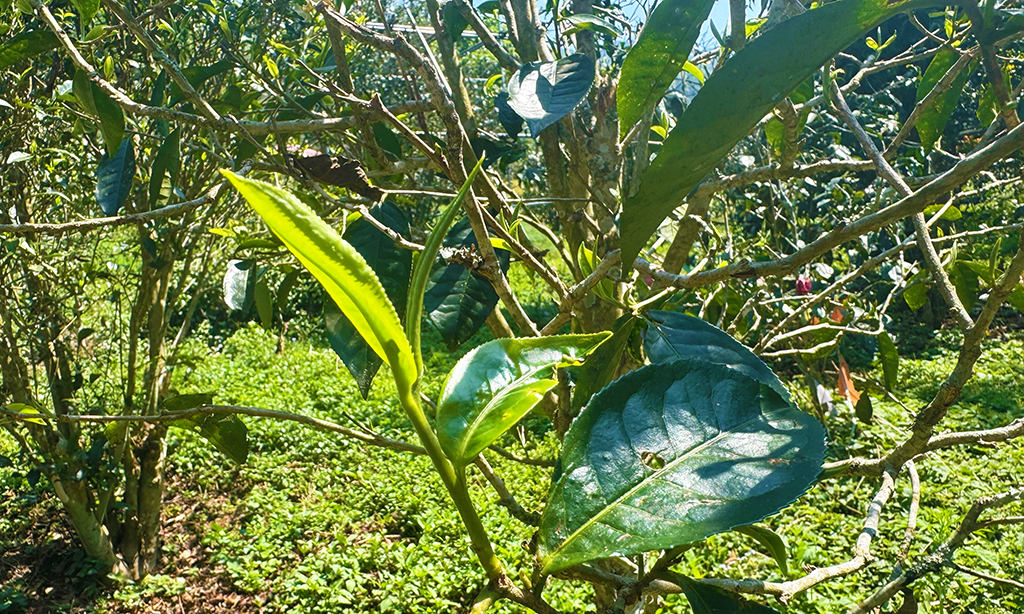
15. What are ancient tree teas?
Ancient tree (古树) teas come from tea trees that are often:
- 100–800+ years old
- Deep-rooted, absorbing rich minerals
- Naturally grown without fertilizer
- Hand-harvested and produced in small quantities
Flavors are more complex, smooth, and energetically powerful.
16. Where do your teas come from?
Our teas come from the mountains and villages of China our founder Jack Jiao personally visit—Yunnan, Fujian, Zhejiang, Guangdong, and more. We source directly from farmers, tea makers, and ancient tea tree regions to ensure authenticity, freshness, and purity.

17. What is your favorite tea?
My favorite tea depends on the moment. In the morning, I enjoy Raw Pu-erh or Oolong for energy and clarity. In the evening, I prefer Ripe Pu-erh or aged White tea for calmness and grounding. Tea matches our mood, season, and life pace.
Whether you are new to Chinese tea or already a tea lover, the beauty of tea is that it grows with you. If you would like to experience these teas in person, join our tea tasting at Veterans Park for your next tea sessions — where tea tasting becomes friend making.
Chinese tea is traditionally divided into six categories: Green, White, Yellow, Oolong, Black, and Pu-erh. Each type has unique processing methods that create distinct flavors and aromas.
Raw Pu-erh is naturally aged over time and tastes bright and lively, while Ripe Pu-erh is fermented through wet-piling to create a smooth, earthy flavor. Raw Pu-erh evolves with age, whereas Ripe Pu-erh is ready to drink immediately.
Green, White, Oolong, Black, and Pu-erh teas all offer antioxidants that support wellness. The healthiest tea depends on your needs—Pu-erh aids digestion, Oolong supports metabolism, and Green tea boosts focus and energy.
Use the right water temperature for your tea type and brew in short infusions using a gaiwan or small teapot. This Gongfu-style method enhances aroma, flavor, and the natural sweetness of the leaves.
High-quality tea can be re-steeped many times—Oolong and Pu-erh often last 8–15 infusions. Each steep reveals new layers of aroma and taste.
Yes, all true teas contain caffeine, though much less than coffee. Chinese tea provides a gentle, steady energy instead of a sudden spike.
Ancient tree teas come from tea trees often 100–800 years old, growing deep roots that absorb rich minerals. They produce smooth, complex flavors and carry a deeper energy than younger plantation teas.
Look for whole, clean leaves with natural aroma, smooth taste, and the ability to be re-steeped multiple times. Origin transparency and trusted sourcing are also key indicators of high-quality tea.