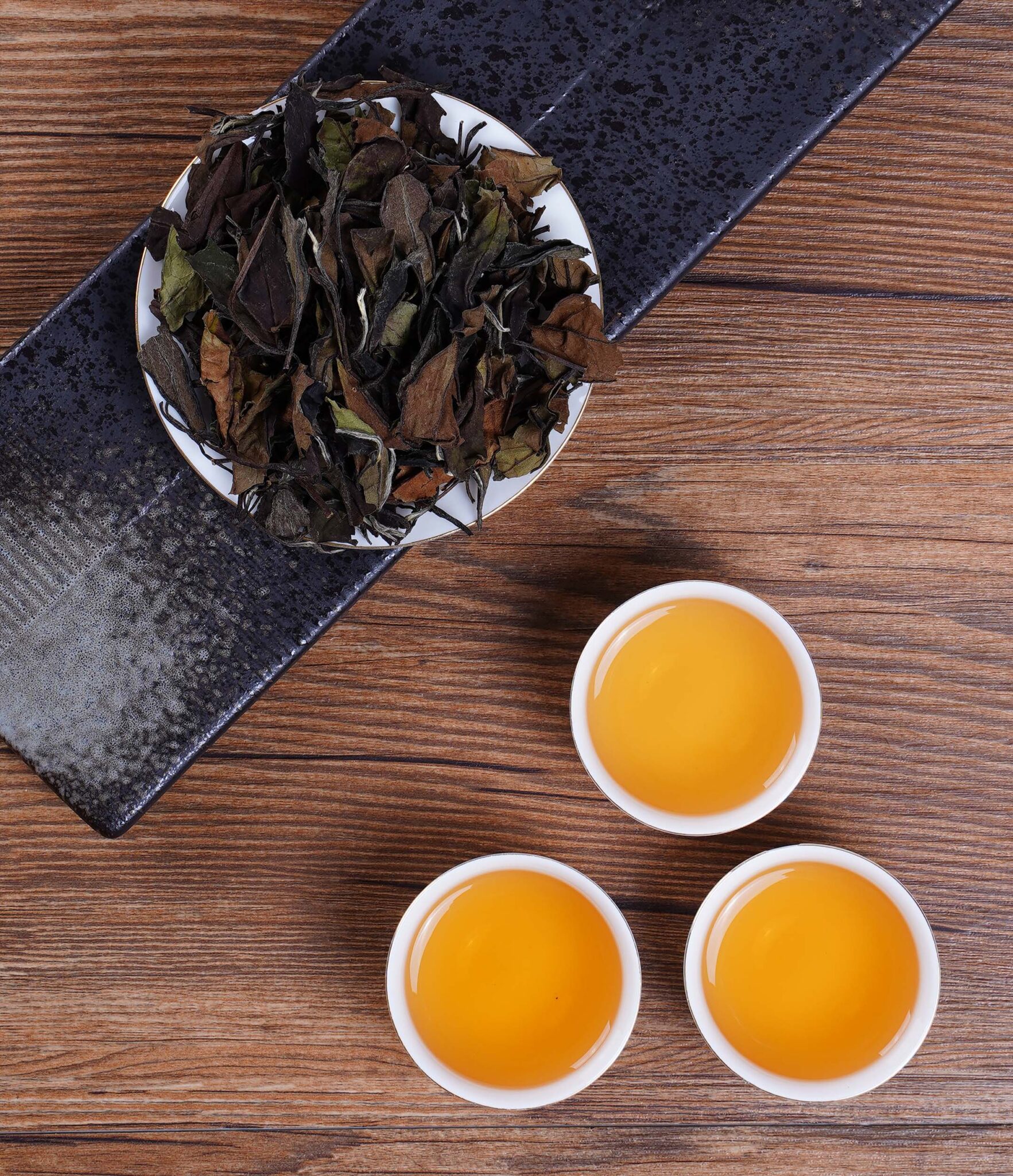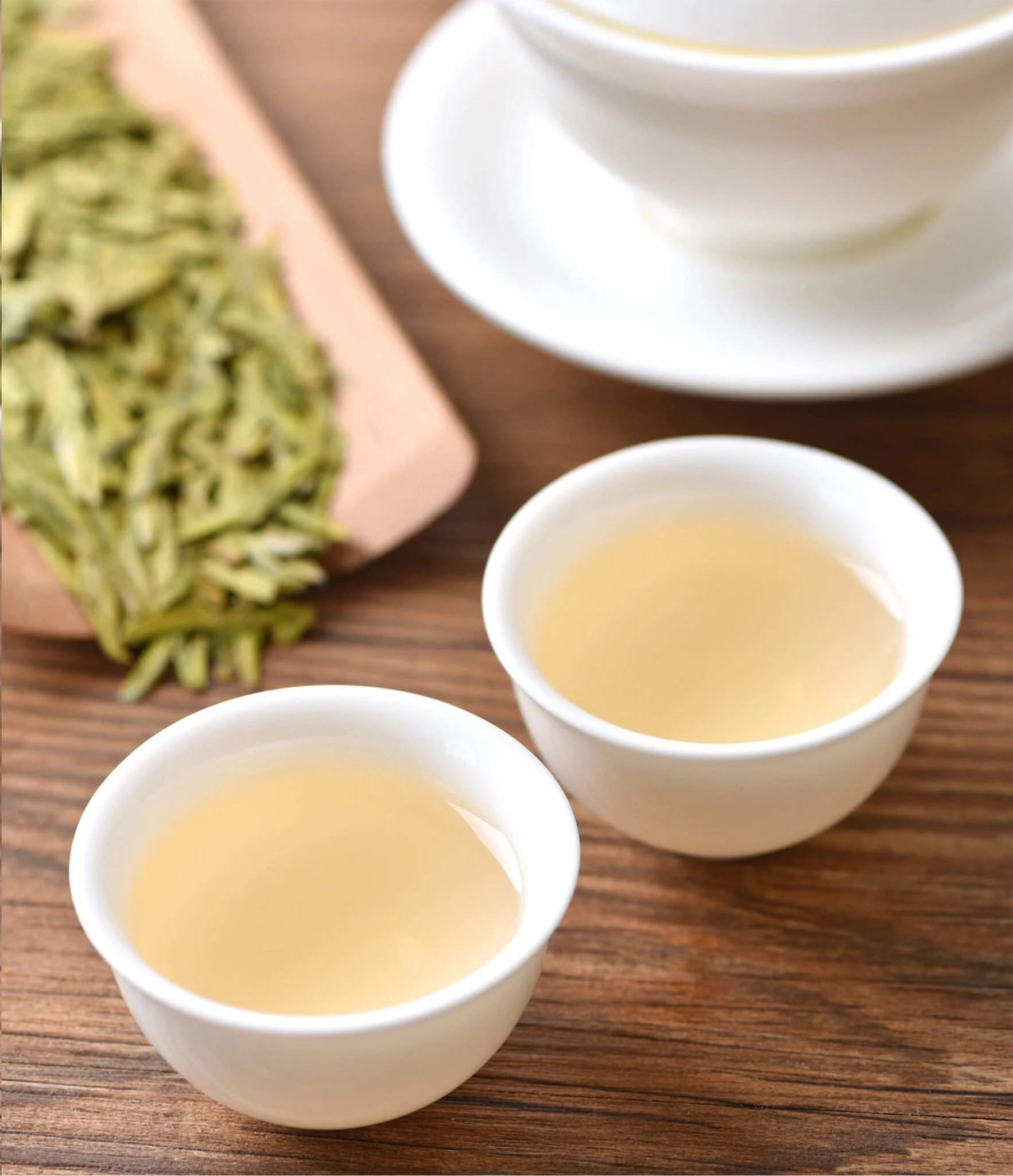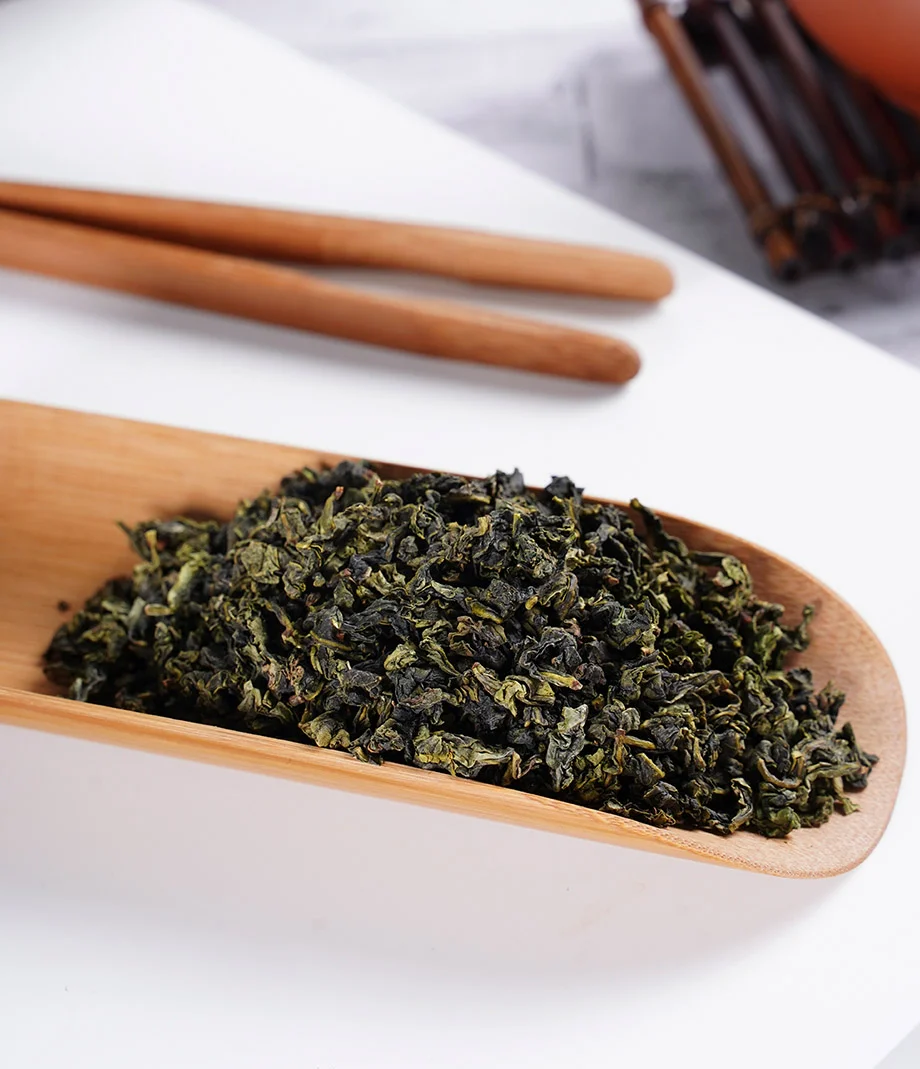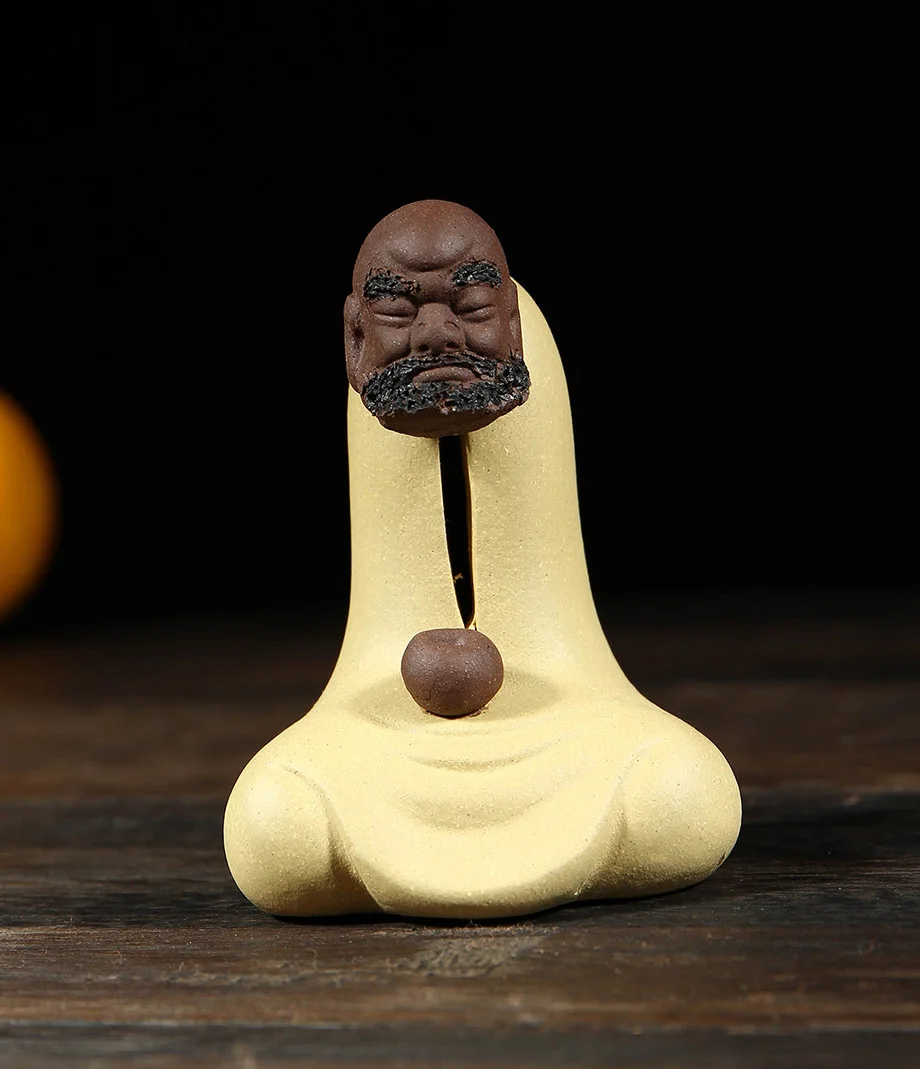
Embracing Tradition: The Enchanting Chinese Gongfu Tea Ceremony (1)

Join us as we delve into the enchanting world of the Chinese Gongfu Tea ceremony and explore the rich tapestry of customs, rituals, and profound meanings it holds.

5M1A0465

In the realm of Chinese tea culture, the Gongfu Tea ceremony stands as a captivating embodiment of elegance, precision, and harmony. Originating in ancient China, this time-honored tradition has been cherished for centuries as a celebration of tea, artistry, and spiritual connection. Join us as we delve into the enchanting world of the Chinese Gongfu Tea ceremony and explore the rich tapestry of customs, rituals, and profound meanings it holds.

A Ritual of Grace and Intention:

The Chinese Gongfu Tea ceremony is more than just a simple act of brewing and serving tea. It is a meticulously choreographed ritual that demands patience, focus, and a deep appreciation for the intricate details of tea preparation. From selecting the finest tea leaves to skillfully controlling water temperature and timing, every step is executed with a precise and purposeful grace, reflecting the essence of Gongfu, meaning “skill” or “effort.”
The Art of Tea Brewing:

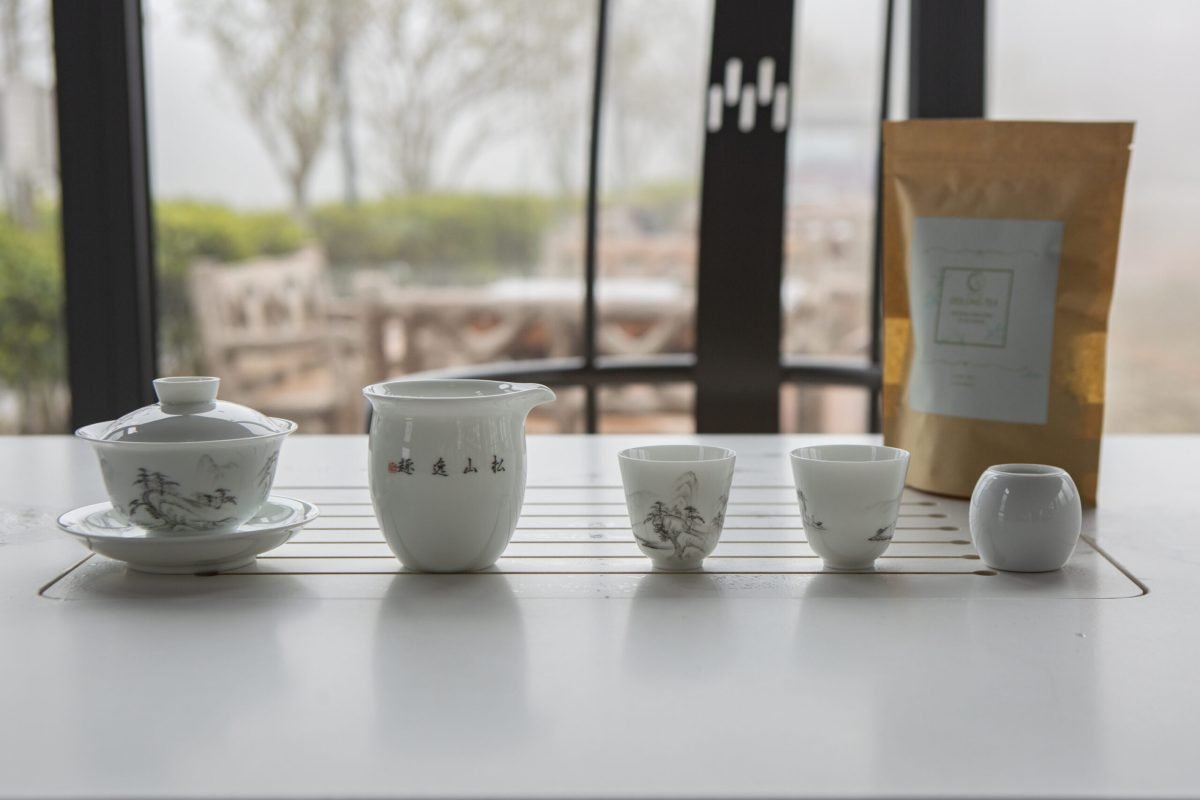
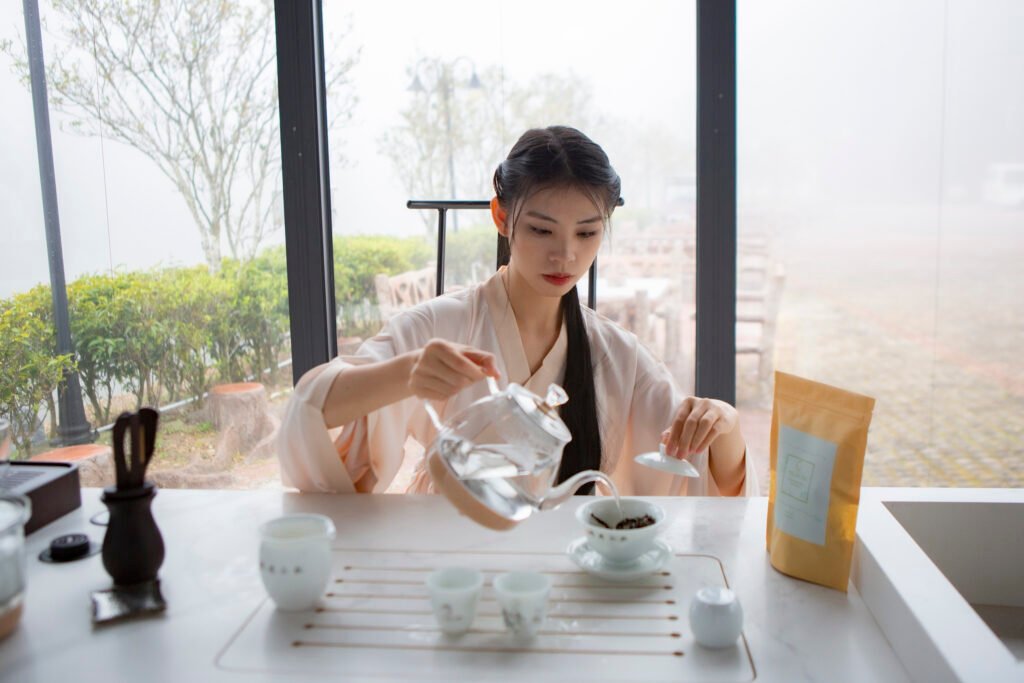
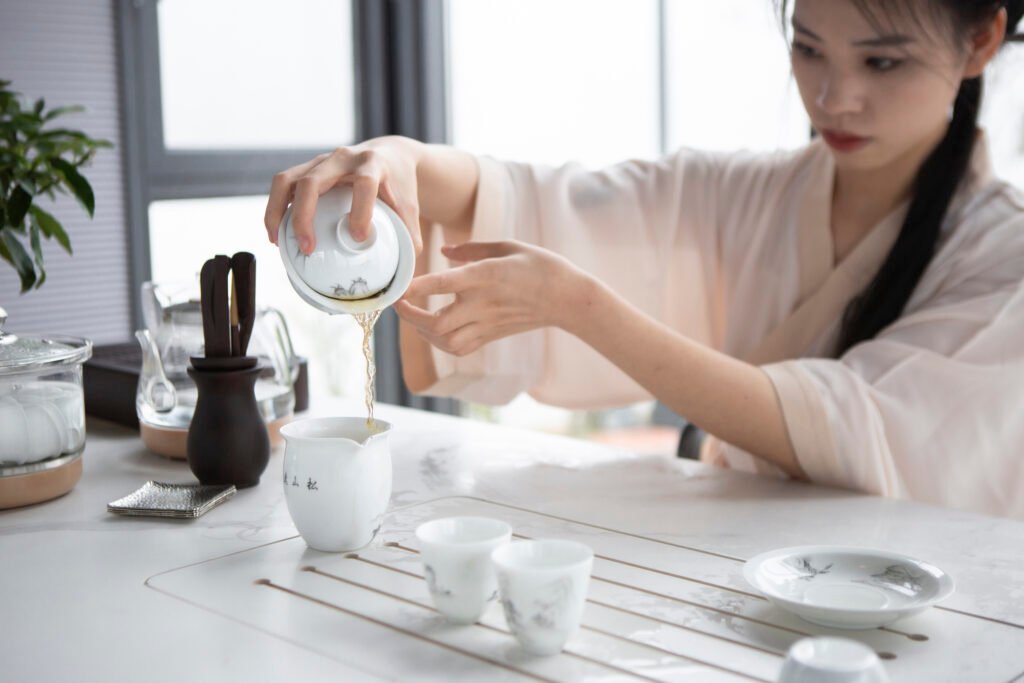
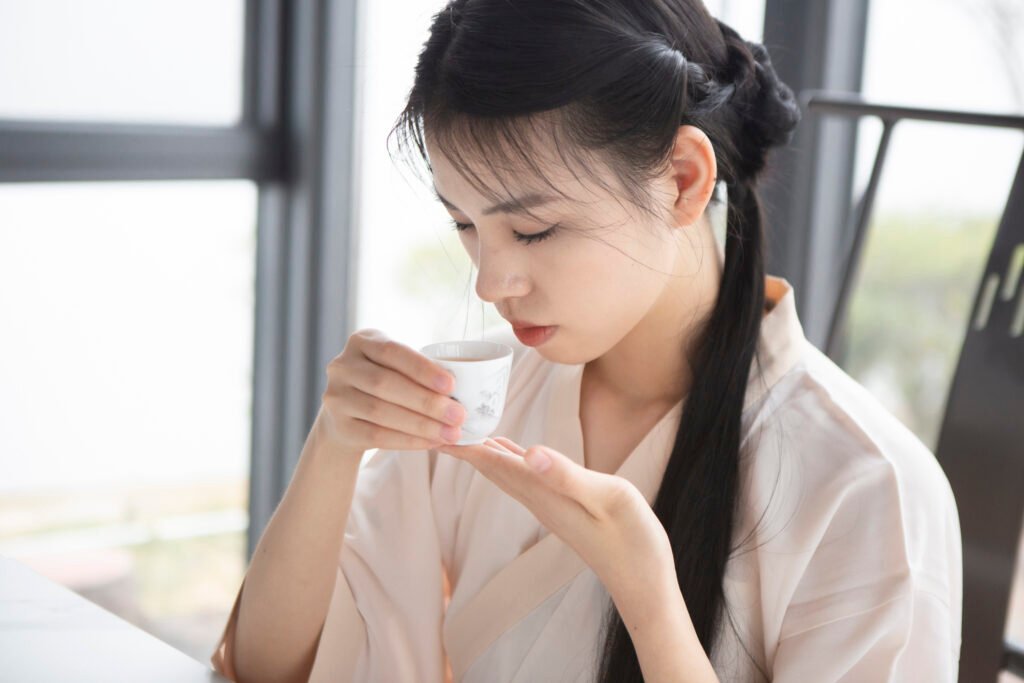
Central to the Gongfu Tea ceremony is the art of tea brewing itself. Intricately designed teaware, such as Yixing clay teapots and delicate Gongfu tea cups, are carefully chosen to enhance the flavors and aromas of the tea. Each vessel has a specific purpose and significance, ensuring the optimal infusion of the leaves. The process involves multiple steepings, with the tea master skillfully adjusting the brewing parameters to extract the tea’s nuanced flavors, creating a mesmerizing sensory experience.
Harmony in Every Sip:

Beyond the technical aspects, the Gongfu Tea ceremony is an expression of harmony and balance. It is an invitation to slow down, savor the present moment, and connect with the natural world. The ceremony encourages participants to engage their senses fully, appreciating the beauty of the tea’s color, aroma, and taste. It fosters a sense of tranquility and mindfulness, allowing individuals to find solace and inner peace amidst the chaos of daily life.

Symbolism and Spirituality:

Rich in symbolism and spiritual connotations, the Gongfu Tea ceremony offers a deeper understanding of Chinese culture and philosophy. The tea leaves represent the connection to nature, while the water symbolizes the flow of life and energy. The act of pouring tea is seen as an expression of respect and gratitude. Each gesture carries meaning, from the way the teapot is held to the direction of the pour. It is through these small gestures that participants cultivate a sense of reverence and awareness.
A Social Experience:

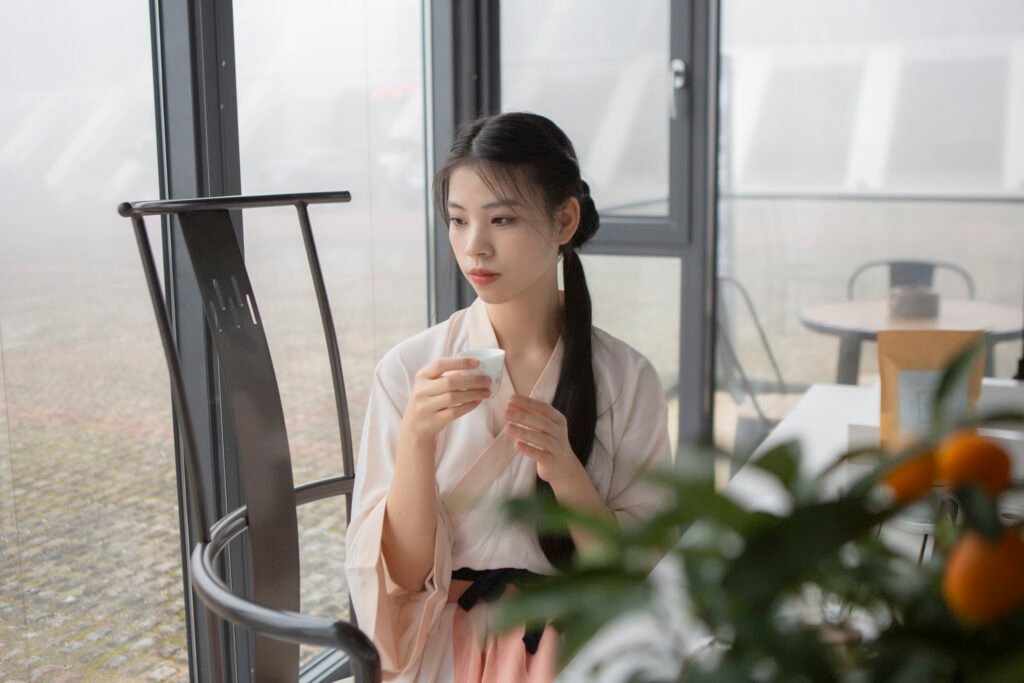
The Gongfu Tea ceremony is often a social affair, fostering connections and building relationships. Gathering around a tea table, friends and family engage in conversation while sharing the tea’s warmth and fragrance. It serves as a conduit for bonding and deepening connections, as well as an opportunity for intergenerational knowledge transfer. Through the ceremony, individuals can learn from experienced tea masters, passing on traditions and preserving cultural heritage.
Conclusion:

The Chinese Gongfu Tea ceremony transcends the boundaries of a mere tea-drinking experience. It embodies the essence of Chinese culture, showcasing the values of mindfulness, precision, and harmony. By participating in this time-honored tradition, one can gain a newfound appreciation for the art of tea and its ability to nourish both body and soul. So, let us embrace the enchanting world of the Gongfu Tea ceremony, cherishing the beauty it unveils and the profound moments it creates.

Note: The Chinese Gongfu Tea ceremony is a vast and intricate subject, and this blog post only scratches the surface. Further exploration is encouraged to delve into its various tea types, regional variations, and the stories behind different rituals.
SHARE THIS BLOG

Latest Blogs

Lifestyle

Could You Benefit From Oolong Tea?

This tea plant is legendary for boosting your health today, you’ll learn the t benefits you’ll reap from drinking Oolong tea as part of your regular diet.

Latest Blogs

Tea 101

Most Popular Questions About Chinese Tea

Chinese tea has thousands of years of history and remains one of the world’s most cherished beverages. At Veterans Park in Redondo Beach, we often meet people who are curious about tea — how to brew it, how to choose it, and how it affects the body. Here are the most popular questions people ask us, along with clear answers to help you enjoy Chinese tea with confidence. 1. What are the main types of Chinese tea? Chinese tea is traditionally categorized by the level of oxidation and processing method. The six main types are: China also has specialty and scented teas such as Jasmine tea, Liu Bao, and Dark Tea (黑茶). 2. What is the difference between Raw Pu-erh and Ripe Pu-erh? Raw Pu-erh (Sheng) Ripe Pu-erh (Shou) 3. Which Chinese teas are the healthiest? All true teas come from the same plant (Camellia sinensis) and offer antioxidants, minerals, and calming energy. Different teas support different wellness needs: The “healthiest” tea is the one that aligns with your body’s needs, your daily rhythm, and how it makes you feel. 4. How do you properly brew Chinese tea? Brewing depends on tea type, but the Gongfu tea method gives the best results: 5. How do you store Chinese tea? General rules: 6. Why is Chinese tea so expensive? Real Chinese tea is labor-intensive and often handmade. Price reflects: High-end tea is similar to fine wine—rare, handcrafted, and deeply cultural. 7. What is the meaning of Gongfu Tea? Gongfu (工夫) Tea means “tea made with skill and effort.” It is a traditional Chinese brewing method that emphasizes: It is not only a brewing technique but also a way to slow down and enjoy life. 8. What equipment do I need for Chinese tea? Essential tools: Optional but enjoyable: 9. How can I choose a high-quality tea? Look for: 10. What is the history and culture behind Chinese tea? Chinese tea culture spans over 4,000 years: Tea is a symbol of harmony, respect, purity, and peace. 11. Is loose leaf tea better than tea bags? Generally, yes. Loose leaf tea contains whole leaves with full flavor, aroma, and nutrients.Tea bags often contain broken fannings or dust—lower quality with fewer layers of flavor. Loose leaf also allows multiple re-steeps and a more authentic experience. 12. How many times can you re-steep tea? Depends on tea type and quality: High-quality tea lasts many more infusions than low-grade tea. 13. How do you tell if a tea is organic or clean? Key indicators: In China, many of the cleanest teas come from high mountains where chemical use is minimal or unnecessary. 14. Is Chinese tea caffeinated? Yes, all real tea from Camellia sinensis contains caffeine, but: Ripe Pu-erh and aged teas often feel gentler. 15. What are ancient tree teas? Ancient tree (古树) teas come from tea trees that are often: Flavors are more complex, smooth, and energetically powerful. 16. Where do your teas come from? Our teas come from the mountains and villages of China our founder Jack Jiao personally visit—Yunnan, Fujian, Zhejiang, Guangdong, and more. We source directly from farmers, tea makers, and ancient tea tree regions to ensure authenticity, freshness, and purity. 17. What is your favorite tea? My favorite tea depends on the moment. In the morning, I enjoy Raw Pu-erh or Oolong for energy and clarity. In the evening, I prefer Ripe Pu-erh or aged White tea for calmness and grounding. Tea matches our mood, season, and life pace. Whether you are new to Chinese tea or already a tea lover, the beauty of tea is that it grows with you. If you would like to experience these teas in person, join our tea tasting at Veterans Park for your next tea sessions — where tea tasting becomes friend making.

Lifestyle

Could You Benefit From Oolong Tea?

This tea plant is legendary for boosting your health today, you’ll learn the t benefits you’ll reap from drinking Oolong tea as part of your regular diet.

UNLOCK 10% OFF

    Welcome to Hence Tea

    Please check your email for the 10% OFF discount code.