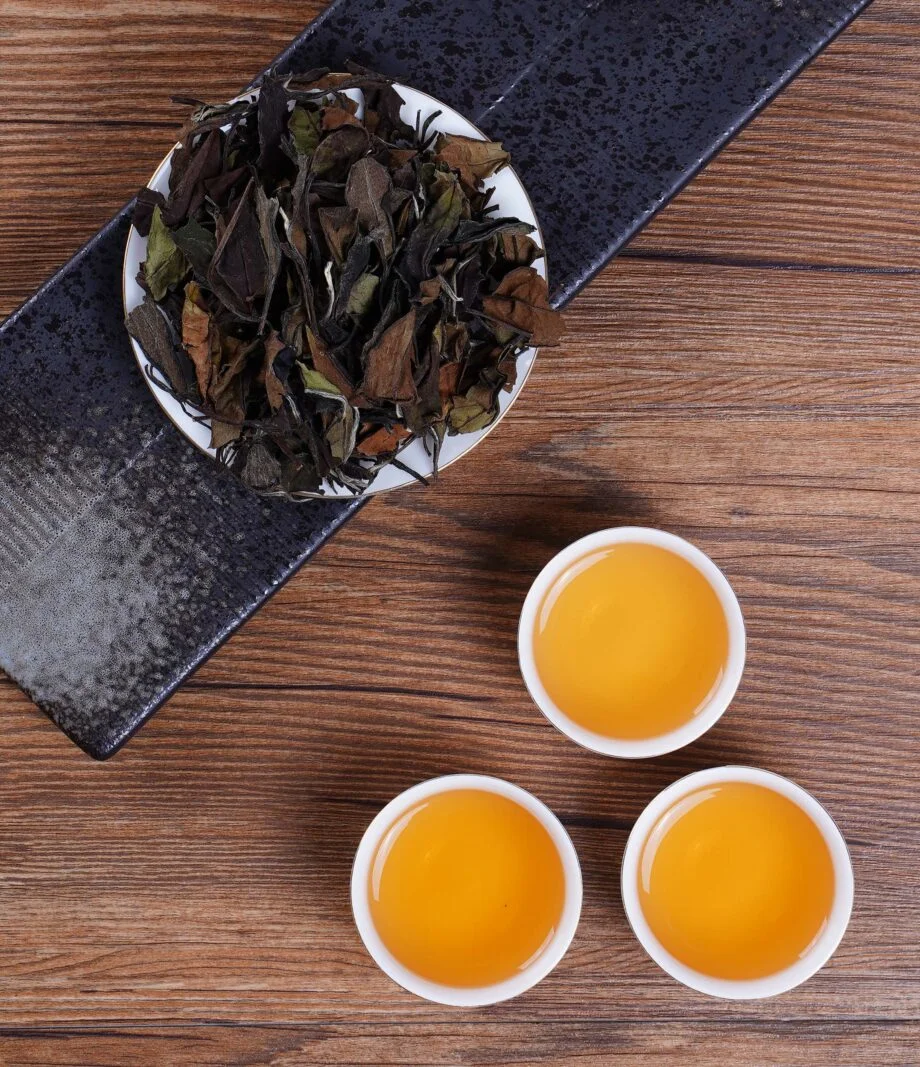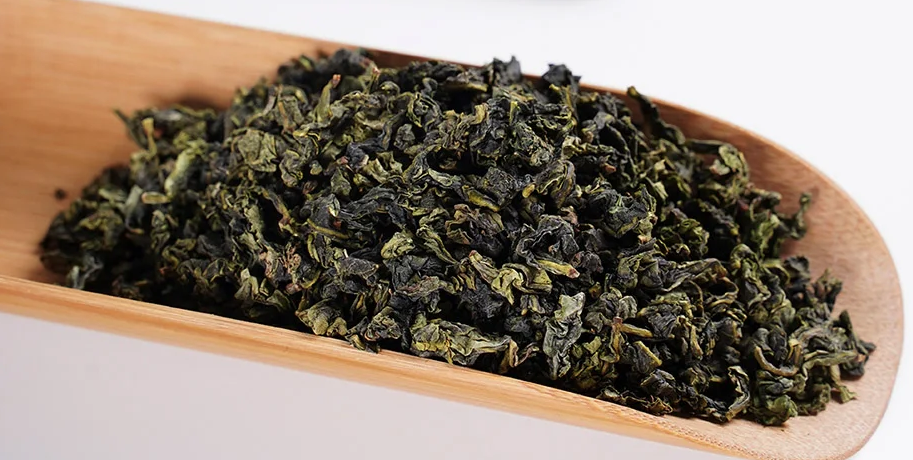

Two of China’s most famous oolongs sit at opposite ends of the same family. Phoenix Dancong is bright, fruity, and floral. Da Hong Pao, by contrast, is dark, roasted, and mineral. So if you already drink one and keep hearing about the other, this guide draws the line between them so you can choose with intent.
Dancong vs Da Hong Pao comes down to four things: where the tea grows, how far makers oxidize and roast it, the aroma it carries, and how you brew it. Dancong is a Phoenix Mountain oolong from Chaozhou in Guangdong, moderately oxidized, prized for single-bush aromatics that mimic flowers and fruit. Da Hong Pao, meanwhile, is a Wuyi rock oolong from Fujian, heavily oxidized and roasted, prized for a mineral depth the Chinese call yan yun, or rock rhyme. In short, same category, opposite expression.
The short answer
Reach for Dancong when you want perfume in the cup: orchid, honey, ripe stone fruit, a long sweet finish. Reach for Da Hong Pao, on the other hand, when you want warmth and structure: roasted nuts, dark caramel, wet stone, and a finish that hangs in the throat. Both are oolongs. Still, neither is a beginner-only tea. They simply pull your attention in different directions.
If you are coming from our guide to Da Hong Pao and wondering what to try next, Dancong is the most rewarding step sideways you can take.
Where they grow: Phoenix Mountain vs Wuyi Shan
Terroir is the first split, and it explains most of what follows.
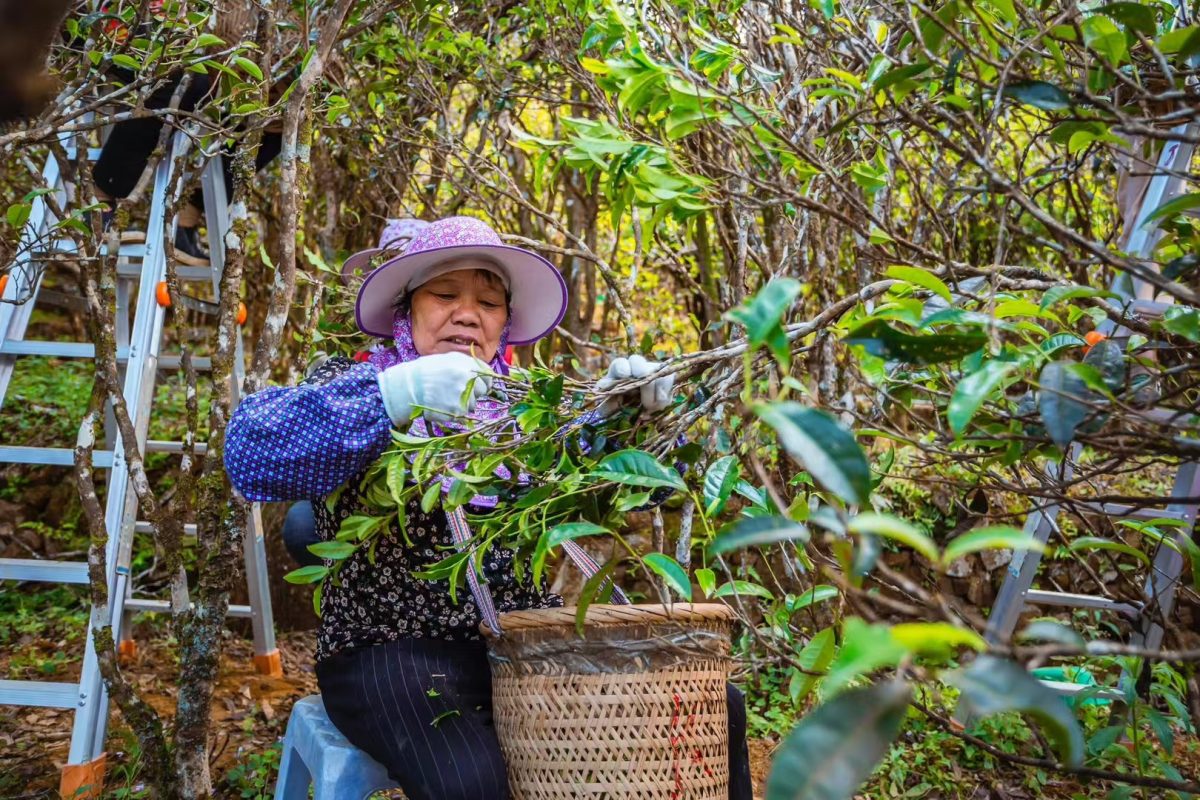
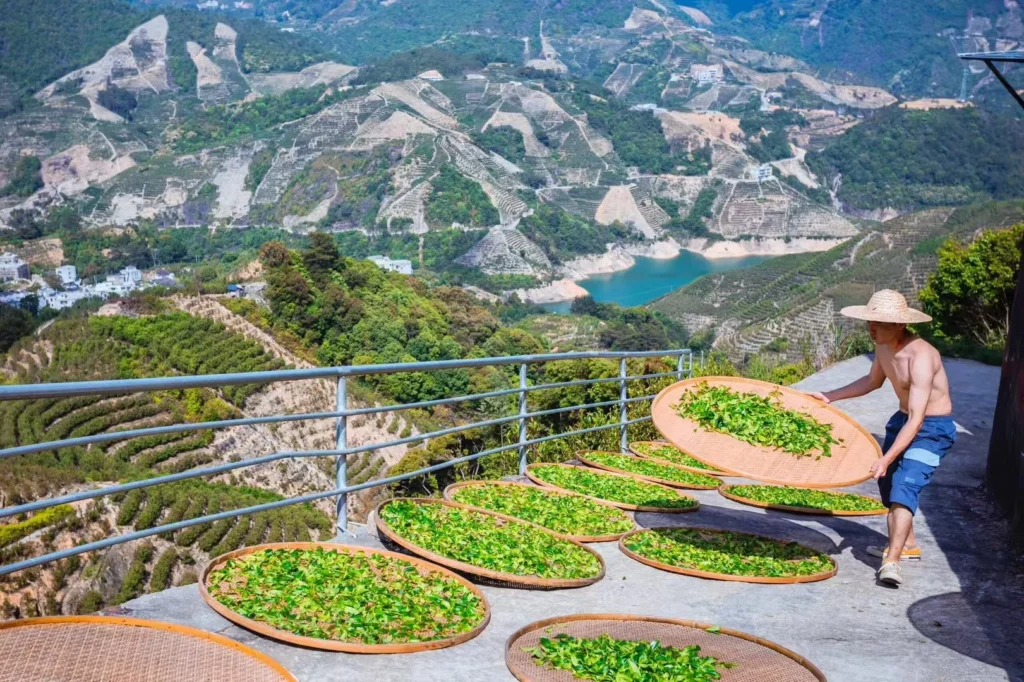
Dancong grows on Fenghuang Shan, or Phoenix Mountain, in Chaozhou, Guangdong, on southeast slopes that run from roughly 500 to 1,400 meters. The bushes grow tall and old, and growers propagate many as single cultivars, each chosen for a specific aroma. The name Dancong, in fact, literally means “single bush.” You can read the full origin story in our Phoenix Dancong explainer.
Da Hong Pao, meanwhile, grows in the Wuyi Mountains of northern Fujian, in a landscape of weathered cliffs and narrow ravines. The rocky, mineral-rich soil is the source of the tea’s signature character. Locals group teas from this region as yan cha, or rock tea. You can see the rest of the region’s teas on our Wuyi Shan collection.
Different mountains, different soil, different plants. As a result, the cup carries all three.
The two teas also carry different histories. Da Hong Pao, “big red robe,” traces back to the legendary mother bushes still growing on a Wuyi cliff face, a handful of plants so storied that tiny amounts from the original trees have changed hands at extraordinary prices. Most Da Hong Pao today is a blend or a propagated cultivar from that lineage, finished in the classic Wuyi roast. Dancong’s story is botanical rather than imperial: generations of farmers picked out individual bushes that produced an unusually clean, specific aroma, then propagated each one as its own named cultivar. One tea is famous for a few mother trees. The other, by comparison, is famous for hundreds of distinct single bushes.
How they take shape: oxidation and roast
Both teas are oolongs, which means partial oxidation. The degree, however, is where they part ways.
Dancong takes a moderate oxidation, often in the 20 to 40 percent range depending on the maker, then a light to medium roast that supports the aroma rather than covering it. The goal, therefore, is to preserve the high floral and fruit notes the cultivar produces.
Da Hong Pao takes a heavy oxidation, then a charcoal roast, sometimes across multiple sessions over weeks or months. The roast is not a finishing touch. Instead, it sits central to the style, building the deep, baked, mineral profile that defines a classic Wuyi rock oolong.
Indeed, a peer-reviewed gas chromatography study comparing Fenghuang Dancong, Tieguanyin, and Da Hong Pao found measurably different aromatic compound profiles across the three, with Dancong carrying a higher share of floral and fruity volatiles and the roasted Wuyi tea leaning toward heavier, baked aromatics.[1]
How they taste: orchid fruit vs rock rhyme
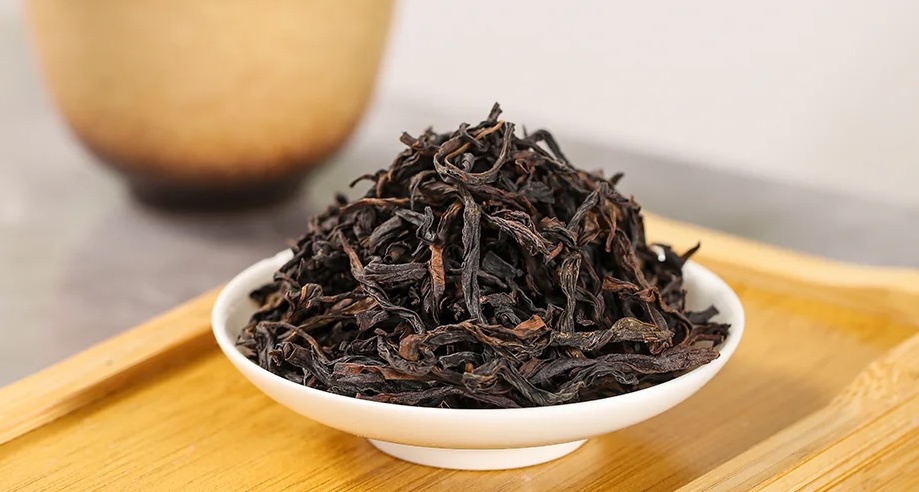
Dancong leads with aroma. Farmers name its most famous cultivars for what they smell like:
- Mi Lan Xiang (honey orchid): honey sweetness over orchid, with ripe fruit underneath. Try our Mi Lan Xiang Dancong.
- Ya Shi Xiang (the cultivar behind the famous “duck shit tea” nickname): floral and complex, with a long cooling finish. Try our Ya Shi Xiang Dancong.
We cover the full set in the ten Dancong aromas. For example, a 2026 study on Dancong found that tree age and cultivar both shape the aromatic signature, which is why a single-bush, old-tree lot tastes distinct from a young garden lot of the same cultivar.[2]
Da Hong Pao leads with texture and depth. Expect roasted nuts, dark caramel, dried fruit, and a wet-stone minerality. The defining quality is yan yun, the rock rhyme: a mineral resonance that lingers in the throat after you swallow. By contrast, where Dancong dazzles on the nose, Da Hong Pao settles in the chest.
Side-by-side comparison
| Trait | Phoenix Dancong | Da Hong Pao |
|---|---|---|
| Region | Phoenix Mountain, Chaozhou, Guangdong | Wuyi Shan, Fujian |
| Family | Phoenix oolong | Wuyi rock oolong (yan cha) |
| Oxidation | Moderate (about 20 to 40 percent) | Heavy |
| Roast | Light to medium | Medium to heavy, charcoal |
| Aroma | Orchid, honey, ripe fruit | Roasted nut, caramel, mineral |
| Signature | Single-bush cultivar aromatics | Yan yun (rock rhyme) |
| Body | Bright, perfumed, long sweet finish | Warm, structured, mineral finish |
How to brew each one
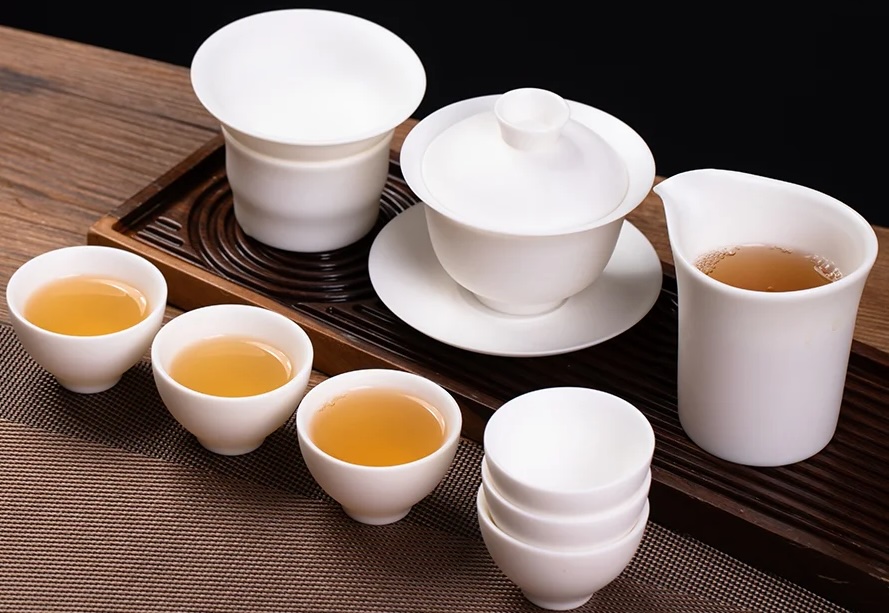
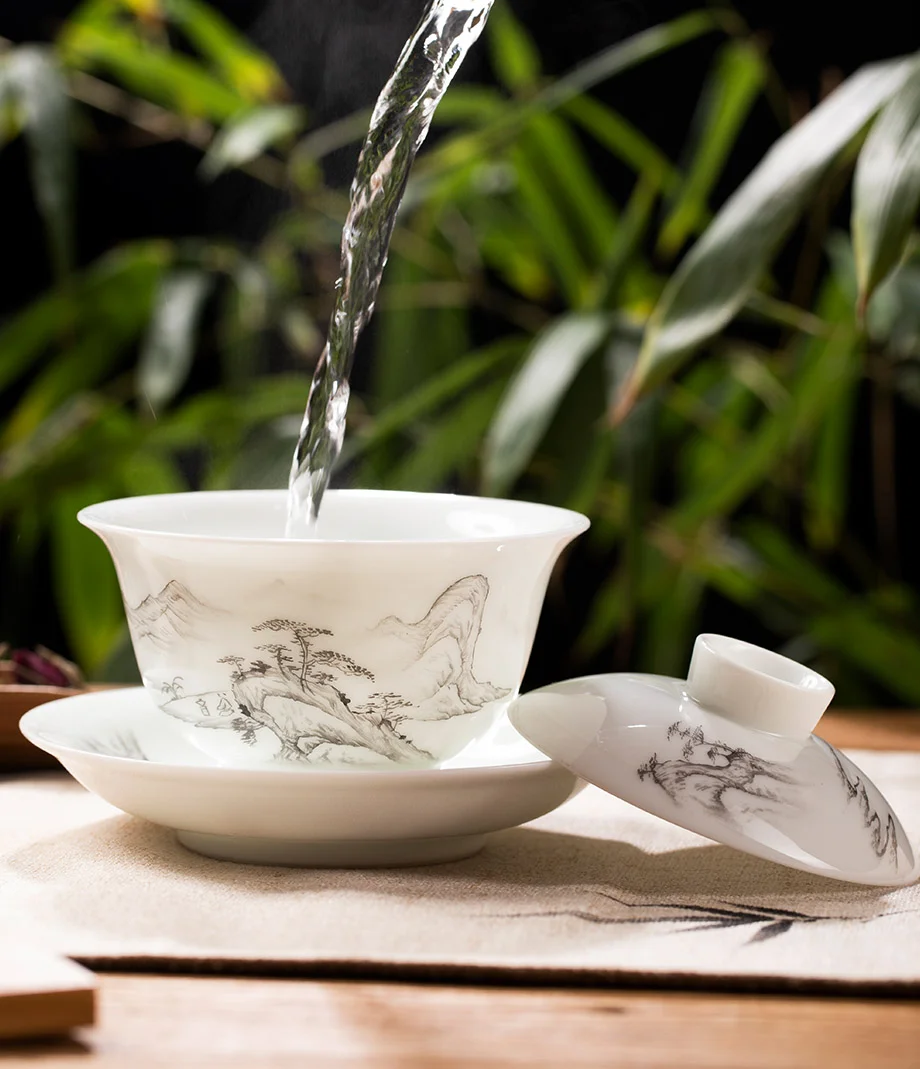
Both reward gongfu brewing in a gaiwan, with a high leaf-to-water ratio and many short infusions.
Dancong is sensitive to heat and time. Use about 7 to 8 grams in a 100 to 110 ml gaiwan, water at 95 to 100 degrees Celsius, and very short early steeps of 5 to 10 seconds. Push the time too far, however, and the tea turns astringent. Our full method is in how to brew Phoenix Dancong.
Da Hong Pao is more forgiving. Use about 6 to 8 grams in a 100 ml gaiwan, full boiling water, a quick rinse, then first steeps of 10 to 20 seconds, building up as the roast opens across infusions. The mineral character deepens in the middle steeps.
Both teas give 10 or more infusions from a single session. A good Dancong will fade with a clean sweet tail. By comparison, a good Da Hong Pao will hold its mineral spine well past the point a lighter tea would quit.
Which to reach for
Choose by what you want from the cup, not by which is “better.” They are peers.
- Want aroma, brightness, and a perfumed finish: Dancong.
- Want warmth, roast, and mineral depth: Da Hong Pao.
- New to both and want the more immediate first impression: start with Mi Lan Xiang Dancong.
- Already love roasted, structured teas: Da Hong Pao will feel like home.
You can find both in our oolong collection, each sourced in small batches directly from the farmers who make it. The simplest way to settle the question is to brew them side by side and taste the line for yourself.
Frequently asked questions
Is Dancong or Da Hong Pao stronger in caffeine? They are comparable. Both are oolongs and sit in a similar range, well below a typical cup of coffee. Brewing style, however, matters more than the tea: high leaf weight and longer steeps raise the caffeine in either one.
Which oolong is better for a beginner? Mi Lan Xiang Dancong is the easier first impression because its honey-and-orchid aroma reads clearly from the first sip. Da Hong Pao’s roast and minerality reward a little more attention before they open up.
Do both teas see roasting? Both see fire, but to different degrees. Dancong takes a light to medium roast that supports its aroma. Da Hong Pao, by contrast, takes a heavier charcoal roast that becomes part of the flavor itself.
Can I brew them in the same gaiwan? Yes, though rinse the gaiwan well between sessions. Dancong’s high aromatics and Da Hong Pao’s roast are strong enough to leave a trace, and you want each tea to show its own character.
Is “duck shit tea” the same as Dancong? It is one cultivar of Dancong. Farmers named the bush Ya Shi Xiang to stop rivals from copying it. Despite the name, the tea drinks floral and refined.