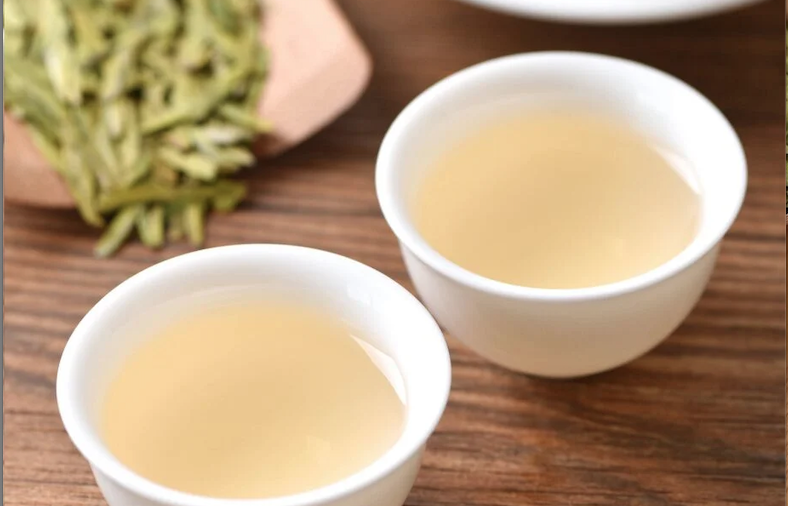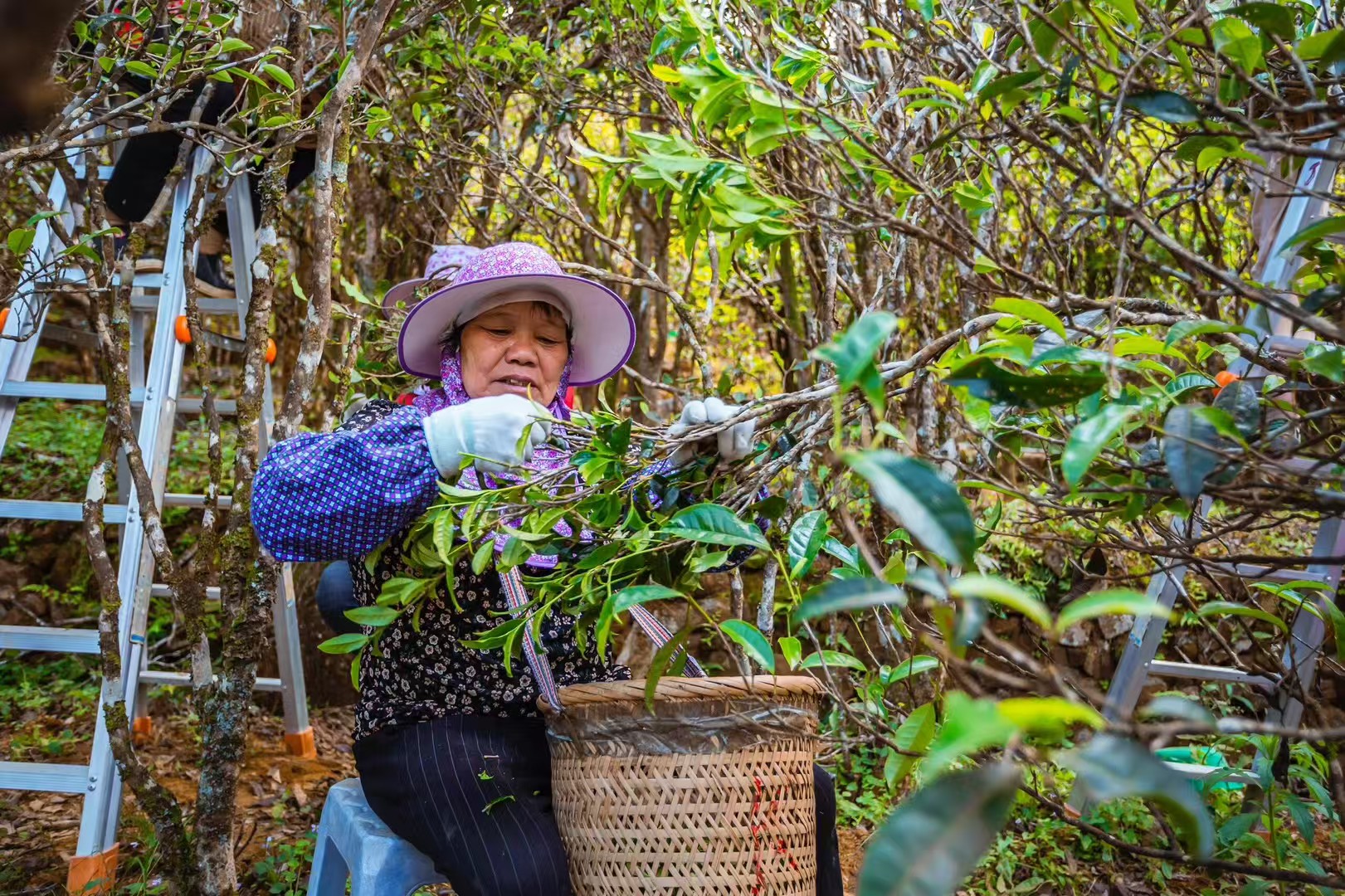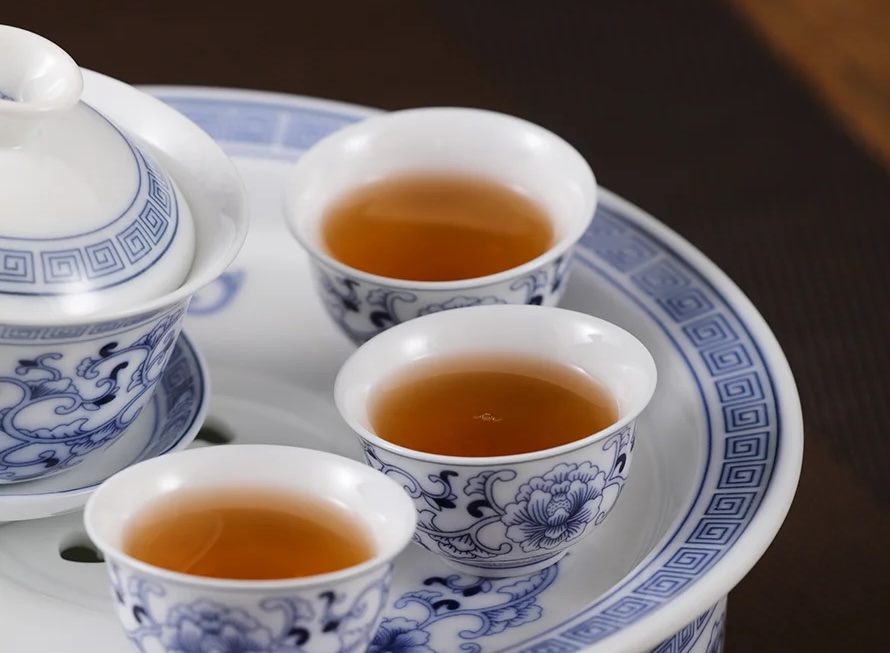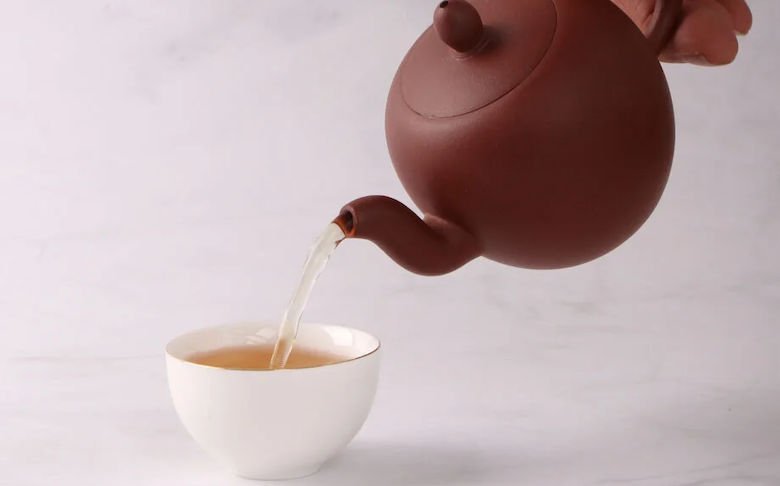

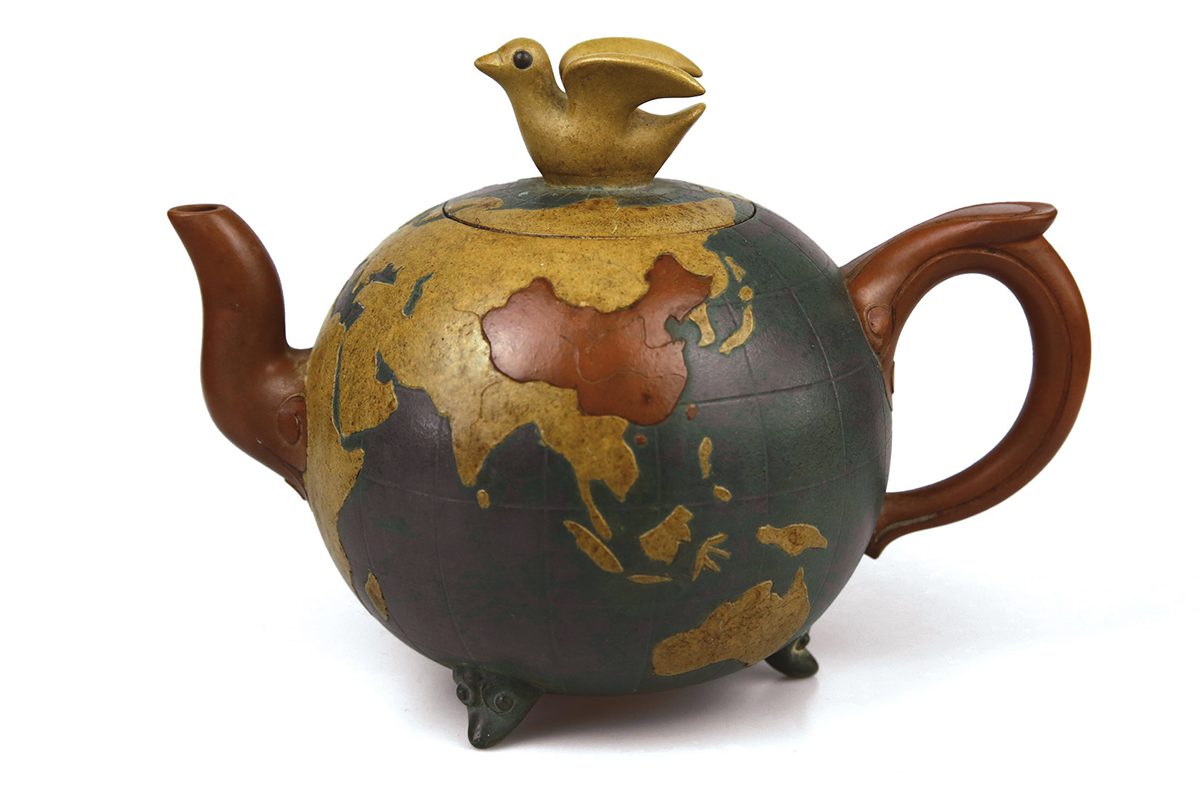
For thousands of years, tea has shaped daily life in China, evolving from an early medicinal remedy into an inseparable part of culture, ritual, and commerce. The way tea was prepared changed just as much, moving from boiled tea under the Tang dynasty, to whisked tea in the Song, to steeped tea by the Ming and Qing. Today, many tea drinkers reach for a small, unglazed purple clay teapot, known as a zisha hu, to coax the fullest flavor from their leaves. Nowhere is that craft more deeply rooted than in Yixing, often called China’s pottery capital, and within it, few families are as closely tied to the art form as the Tangs, whose zisha lineage now stretches across twelve generations.
The Roots of a Ceramics Dynasty
The family’s documented history begins with Tang Zhongmian, a Qing dynasty scholar-official who passed the imperial examinations in 1793 and later served as magistrate of the Yixing area before rising to provincial posts in Jiangsu and Shaanxi. During his time in Yixing, he mixed with local literati and potters, and joined the growing custom of inscribing calligraphy directly onto teapots, a practice that helped push zisha craftsmanship into what many consider its golden age. His son, Tang Jian, became a respected Neo-Confucian scholar whose students went on to hold prominent positions in Qing society. Later generations of the family cross-checked these details against provincial and municipal archives, confirming a lineage that traces back to Shandong province.
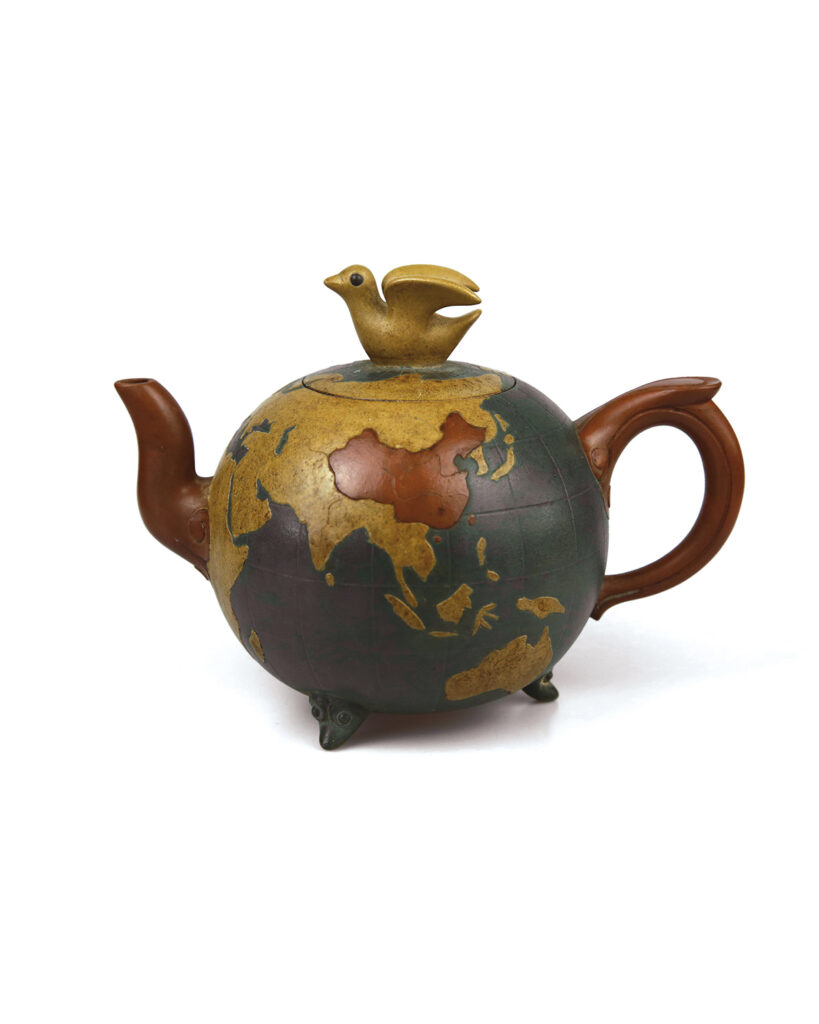
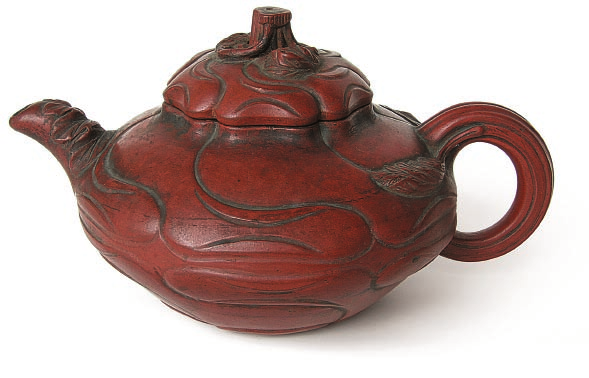
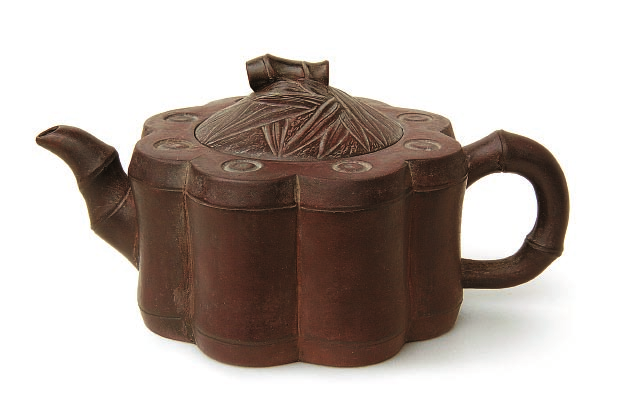
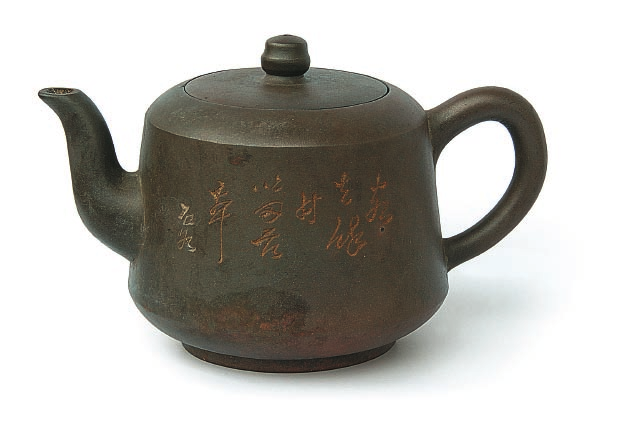
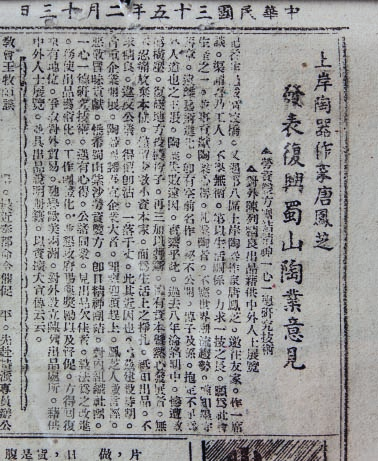
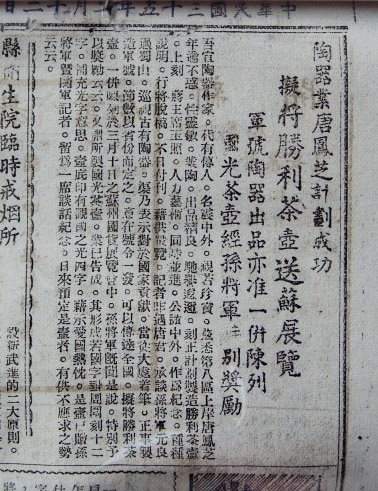
Much of the family’s early genealogy was lost over the following decades, but the record picks up clearly again with Tang Chaoxia’s grandfather’s generation. Her grandfather, Tang Zhuhe, and his brother, Tang Fengzhi, were born into a potting family in Yixing’s Shushan area and are generally regarded as the true founders of today’s Tang Zisha workshop. Tang Fengzhi became one of the most prominent zisha artisans of the Republican era, producing teapots with patriotic themes, including a Victory teapot and a World Peace teapot, works still remembered for the way they connected craftsmanship to the mood of their historical moment. The World Peace teapot is now kept at the Tang Chaoxia Art Museum. Tang Zhuhe, meanwhile, helped establish Yixing’s first two zisha factories and earned a reputation for cleverness that led admirers to nickname him the little strategist of the clay world; his lotus, dragon, and floral-motif teapots were sought after by collectors as far away as Shanghai.
Tang Chaoxia’s father, Tang Yongliang, carried the family’s floral tradition forward, becoming known for plant-inspired pieces such as plum-branch and bamboo-node teapots.
A New Generation Carries the Clay Forward
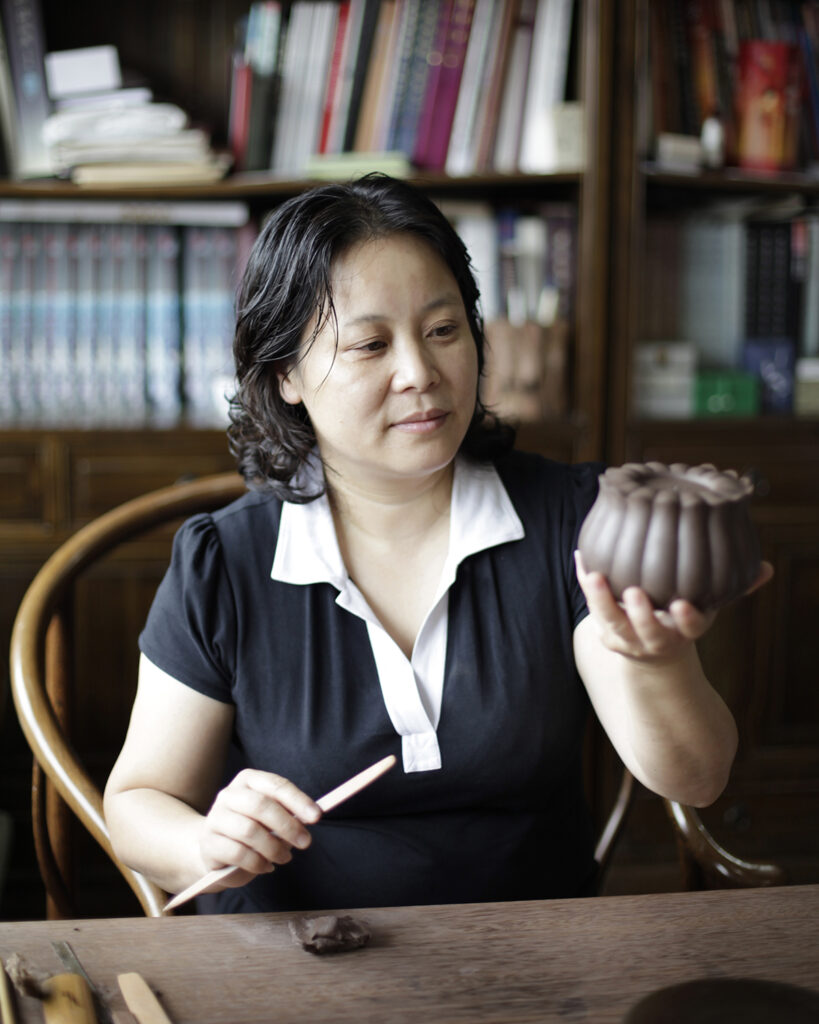
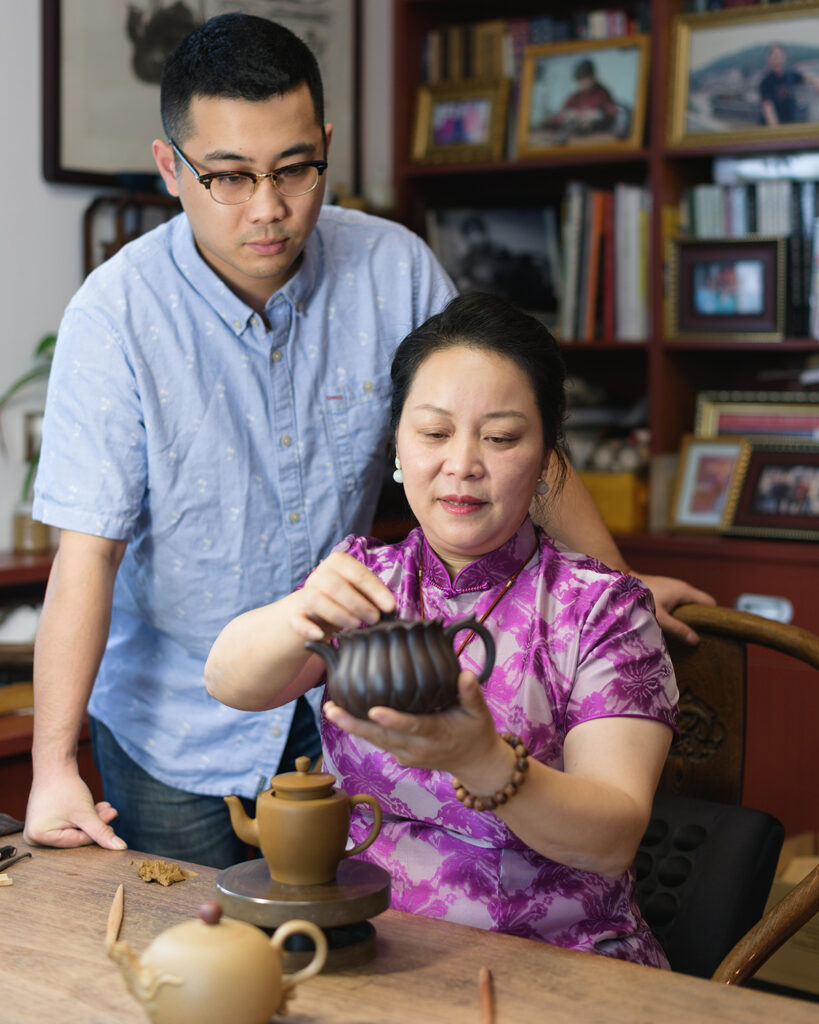
Tang Chaoxia grew up immersed in this world of clay and craftsmanship, and today her own son, Wei Jiahao, has joined her and her husband, Wei Qiang, in continuing the family’s zisha work. It marks the latest chapter for a lineage that has already outlasted dynasties, wars, and sweeping changes in how China drinks its tea.
Across twelve generations, the tools have changed and tea rituals have been reinvented more than once, but the Tang family’s thread of craftsmanship has held steady, passed from hand to hand. As tea culture has traveled from mainland China to Hong Kong, Taiwan, and Southeast Asia, and further still, that same thread has traveled with it, carried in the shape of a well-made pot.