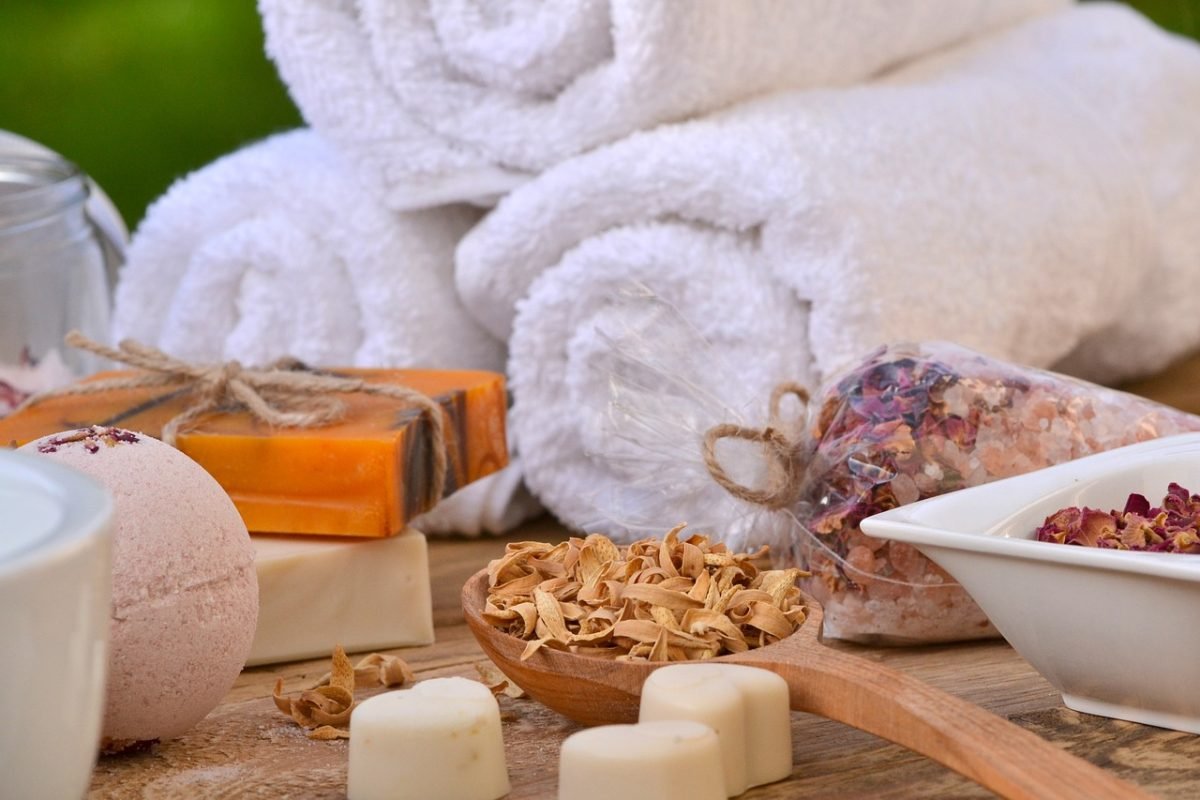
The Wonders of the Tea Bath

Also known as “Tub Tea,” tea baths are gaining popularity being broadcasted in magazines, movies, and commercials to advertise the spa way of living.

Pic-26

We’ve all heard of the milk bath, vinegar bath, and flower bath, but have you heard of the tea bath? 

Also known as “Tub Tea,” tea baths are gaining popularity being broadcasted in magazines, movies, and commercials to advertise the spa way of living. These relaxation tea sessions pose to provide many mind and body benefits while leaving your bathroom and skin smelling amazing.

The benefits of these baths include, but are not limited to:

  • Detoxification of the Skin
  • Delay in Skin Cell Aging
  • Assisted Healing of Sores and Wounds
  • Soothed Stressed Skin
  • Balanced Skin Tone
  • Repaired Sun Damage
  • Promoted Rejuvenation of Skin Cells
  • Fighting of Free Radicals
  • Reduced Inflammation
  • Improved Psoriasis
  • Reduced Dandruff
  • Treated and Prevented Acne
  • Healing of Skin Conditions
  • Absorption Tea Nutrients Faster than Ingestion 
  • Relieved Congestion and Sore Throat
  • Silky Hair
  • Alertness Due to Caffeine Presence
  • Relieved Body Tension
  • Reduced Anxiety and Stress

With so many benefits, it is a mystery why more people haven’t indulged in this trend of wellness. The tea bath-making process is fairly simple and requires just a few ingredients, but don’t worry, we will provide you with all of the information you need to be on your way to creating your own relaxing, spa-like tea bath experience.

The ingredients required to make a tea bath are as follows:

  • A Paper Tea Bag or Muslin Bag to place your tea mixture in.

(Fun Fact: Paper Tea Bags are recyclable and Muslin Bags are reusable!)

  • The bags can be filled with anything of your choosing, but here are some suggestions: 
    • Green Tea Leaves
    • Black Tea Leaves
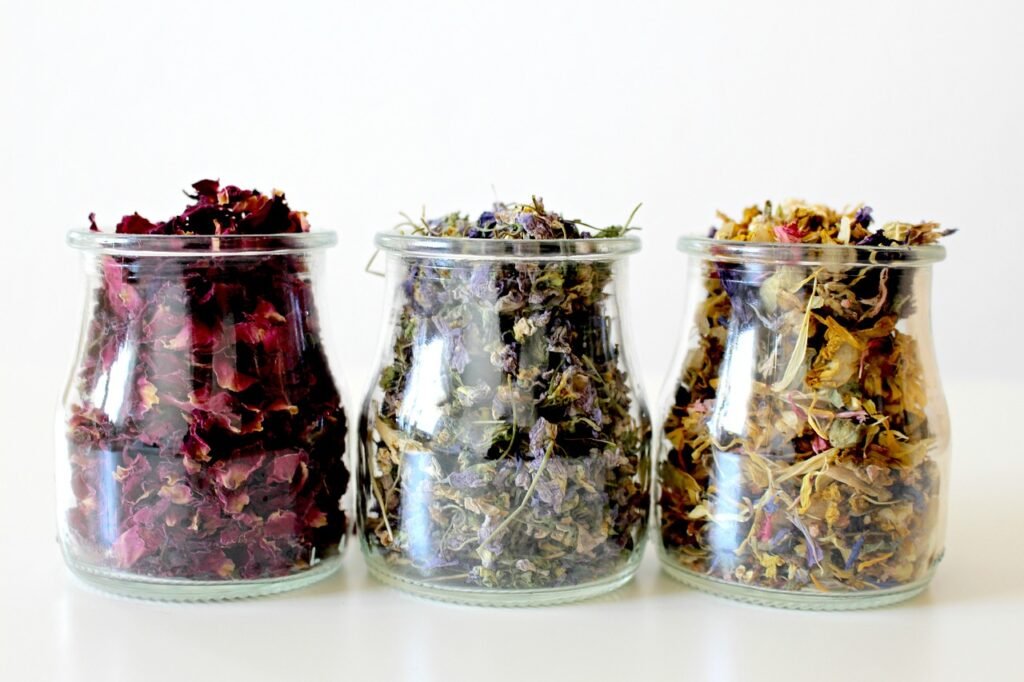
    • Dried Lavender
    • Rose Petals
    • Epsom Salts
    • Ground Oatmeal
    • Dried Mint Leaves, etc.
  • For a more “true” tea bath, use tea leaves as the sole ingredient.
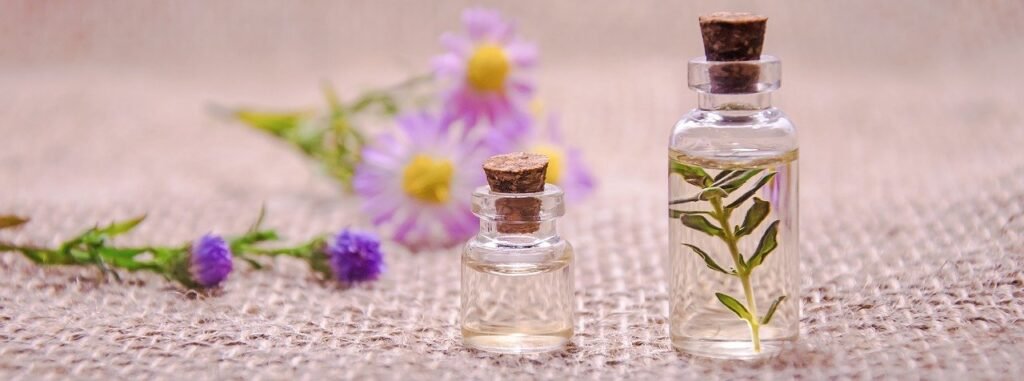
  • Essential oils can be added to enhance your experience.
The creation of a tea bath is very simple with just a few easy steps, but it is important to follow them closely. There are a couple different options in how to create the perfect bath, choose the option that is right for you! The instructions are as follows:

Option #1 (Recommended):

  • Bring a pot of water to a boil on the stove.
  • Drop your tea creation into the boiling water. (Ingredients can be dropped into the pot outside of a bag; however, this will require a thorough straining before entry into the bath).
  • Cover the pot, and let the tea steep for about 15 minutes.
  • Once steeping is complete, add the tea from the pot to your bath water.
  • Mix the water.
  • Soak for 20 to 30 minutes.
  • If you’d like, add essential oils to the bath or more herbs to the water to add to the relaxing effects of the soak
  • Enjoy!

Option #2

  • If you are limited on time but still want a good steep, this might be the option for you. It does not allow for the maximum effects that steeping the mixture fully will create, but it will still reap benefits.
  • Place your tea creation in a coffee filter.
  • Run hot water through the filter.
  • Add the tea to your bath water.
  • If you’d like, add essential oils to the bath or more herbs to the water to add to the relaxing effects of the soak
  • Soak for 20 to 30 minutes. 
  • Enjoy.

Option #3

  • This will not be as effective as the previous two options in fully steeping the tea, but it is still a method.
  • Ensure that your tea bag is extremely secure to prevent loose leaf tea from floating around in your bath.
  • Simply drop your bag of tea creation into your bath water.
  • If you’d like, add essential oils to the bath or more herbs to the water to add to the relaxing effects of the soak
  • Soak for 20 to 30 minutes.
  • Enjoy.

We would recommend experimenting with different tea combinations to find the best one for your body’s needs.
Benefits of various tea-based baths are listed below:

Green Tea Bath Benefits

  • Reduces Muscle Pain
  • Softens Skin
  • Relieves Redness
  • Creates Anti-aging Effects
  • Helps skin to Recover from Irritants

Black Tea Bath Benefits

  • Soothes Skin    
  • Relaxes Muscles
  • Cleanses and Closes Pores
  • Helps Treat and Prevent Acne

Lavender Bath Benefits

  • Promotes Relaxation
  • Improves Sleep
  • Improves Mood
  • Relieves Pain and Inflammation

Rose Bath Benefits

  • Aids Eczema and Psoriasis
  • Moisturizes the Skin
  • Cleanses the Skin
  • Mood Enhancement
  • Aids Anxiety

Mint Bath Benefits

  • Eases Sunburn Pain
  • Refreshes Skin
  • Refreshes Senses
  • Clears Nasal Passages
  • Reduces Bacteria

Oatmeal Bath Benefits

  • Creates Protective Layer on the Skin
  • Holds Moisture In 
  • Eases Inflammation
  • Cleanses the Skin
  • Used to Treat Eczema and Psoriasis

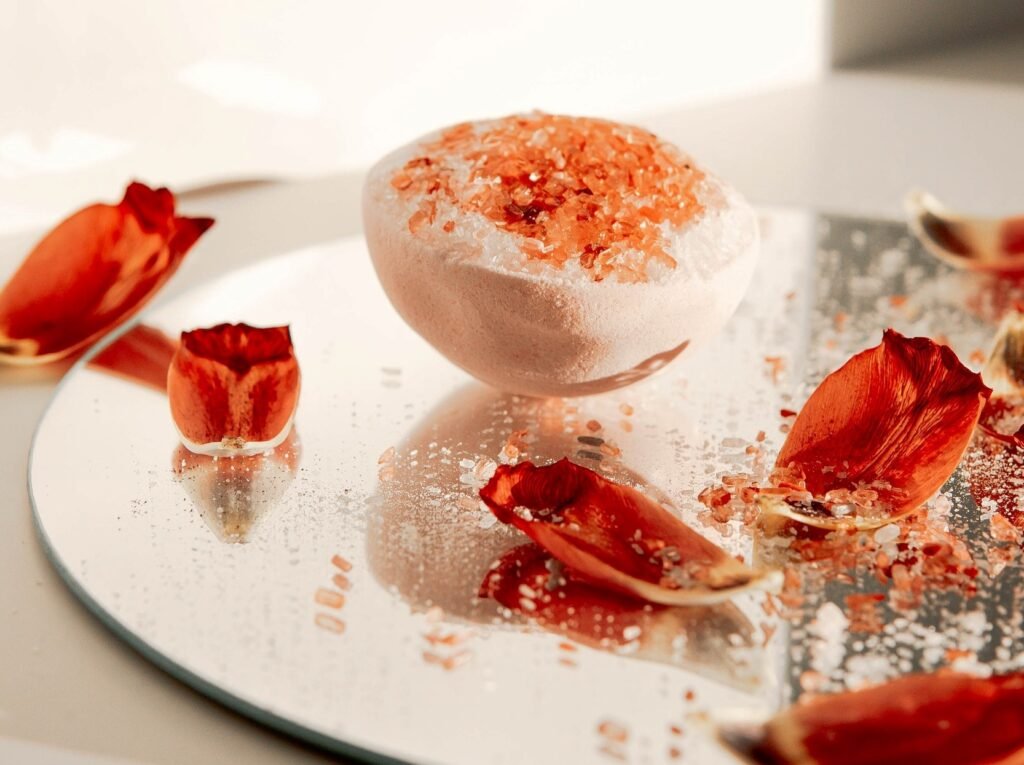
Herbal tea bath bombs create a similar effect to using tea bags, and you can customize them to your own liking! These bombs make the perfect gift for a relaxation lover. Below is a recipe for a herbal tea bath bomb.

Herbal Tea Bath Bomb Recipe

Ingredients

  • ½ cup of desired tea leaves
  • 1 cup of baking soda
  • ½ cup of epsom salts
  • ½ cup of citric acid
  • ½ cup of cornstarch
  • 3 tbsp of melted coconut oil
  • 1 tsp of water
  • 10 drops of desired essential oil
  • Mold for desired shape of bath bomb

Instructions

  • In a large bowl, mix baking soda, epsom salts, and cornstarch.
  • In a separate small bowl, mix coconut oil, water, and essential oil.
  • Mix together the two bowls in the large bowl until it has the consistency of wet sand.
  • Add loose leaf tea.
  • Put mixture into your mold, and squeeze it tightly so it is very compact.
  • Let mixture sit in the mold overnight to set and harden.
  • When ready, gently tap the outside of the mold and release the bath bomb.
  • Be very patient with the last step to make sure the bomb doesn’t break.
  • Drop it in your bath and enjoy!

Tea baths provide a lot of benefits but there are some precautions you should be aware of before partaking in this practice. These warnings and side notes are listed below:

  • The tea can stain the bathtub if not immediately rinsed/cleaned.
  • The water required is very hot, and if you do it too frequently it will lead to temporary muscle weakness which could lead to legs giving out or falling.
  • Being in very hot water too frequently could lead to a reduction in healthy fat deposits.
  • The hot water can lower your blood pressure leading to temporary dizziness and weakness, so when you are getting out of the tub be very careful to maintain composure.
  • You might find out you are allergic to certain teas or herbs through skin irritation.
  • Water used to steep tea is extremely hot, so make sure you let it cool down before entering the bath and limit a tea bath to once a week to prevent negative effects.
  • Be mindful of what time of day it is in regards to what ingredients you are using. Black tea-based baths might hamper your sleeping schedule if the bath is taken late at night due to the caffeine levels present. Lavender baths might make you really sleepy which could be bad during the day.
  • If you enjoy tea baths in moderation there aren’t any downsides, these results may only occur if it is done very frequently.

Enjoy a new method of relaxation with your new knowledge of tea baths!

Disclaimer: This blog provides trusted advice for a healthier life; however, it is not a doctor’s prescription.

SHARE THIS BLOG

Our Top Seller

Latest Blogs

Lifestyle

Could You Benefit From Oolong Tea?

This tea plant is legendary for boosting your health today, you’ll learn the t benefits you’ll reap from drinking Oolong tea as part of your regular diet.

Latest Blogs

Tea 101

Da Hong Pao Tea: A Guide to Wuyi’s Rock Oolong

Da Hong Pao is the most famous oolong in China. The name translates to “Big Red Robe,” and the tea has carried that name for roughly four centuries. It grows on the cliffs of the Wuyi Mountains in northern Fujian, where six original mother bushes still cling to a single rock face. In 2002, twenty grams of leaf from those bushes sold at auction for 180,000 RMB, then about 22,000 USD. The mother bushes have not been harvested since 2006. Most of what is sold today as Da Hong Pao is not from those bushes. That is not a scandal. It is the structure of the tea, and once you understand it, you can buy a Da Hong Pao that is honest, delicious, and worth every dollar. What Da Hong Pao Is Da Hong Pao is a roasted oolong from the Wuyi Mountains, processed in the traditional yancha (rock tea) style. The category includes hundreds of cultivars grown on the same cliffs. Da Hong Pao sits at the top of that category by reputation. Three things define it: Roast level is the first thing to ask about when buying. Wuyi rock oolongs range from light roast (clean, floral, closer to a green oolong) to heavy traditional roast (caramelized, mineral, deep). Da Hong Pao is usually medium to heavy. The Wuyi Cliffs and the Origin of Yancha Yancha means “rock tea.” The name is literal. The bushes grow in seams between volcanic rock, often on cliff faces, where the soil is thin and rich in minerals. Rain runs off fast. Sun hits at angles. The leaves develop a quality the Chinese call yan yun, “rock rhyme,” a mineral-thick aftertaste that lives at the back of the throat and lasts through ten or more steeps. Wuyi Shan was inscribed by UNESCO in 1999 as a mixed natural and cultural site, in part for the unbroken tea-producing tradition that has shaped the landscape since at least the Song Dynasty.[1] The reserve covers about 1,000 square kilometers of subtropical forest, sandstone gorges, and the Nine-Bend Stream. Within it, growers distinguish between three production zones with descending price and prestige: A Da Hong Pao sold without a zone declaration is almost always Banyan or below. Honest sellers state the zone. Always ask. You can browse the teas we source from Wuyi Shan to see how the region’s profile differs from Anxi or Phoenix Mountain oolongs. The Four Mother Bushes and the 2002 Auction The legend places Da Hong Pao in the Ming Dynasty. A scholar traveling to take the imperial exams fell ill near the Tianxin Yongle Temple in Wuyi. The monks brewed him a tea from bushes growing on a cliff above the temple. He recovered, took the exam, placed first, and returned in his red imperial robe to thank the bushes. He draped the robe over them. The bushes are still there. There is a stone carving of the name 大红袍 (“Da Hong Pao”) on the cliff next to them. Six original mother bushes survive on that rock face. Estimated age: roughly 360 years. The auction record is real and well documented. In 2002, at the Wuyi Mountain Tea Cultural Festival, 20 grams of leaf from the mother bushes sold for 180,000 RMB.[2] At later events the per-gram price climbed higher. In 2006, the local government ordered a permanent harvest ban on the mother bushes to preserve them. The last 20 grams were ceremonially handed to the National Museum of China. This matters for buyers because no one selling you Da Hong Pao under 50 USD per gram is selling you mother-bush tea. Anyone claiming otherwise is lying. What they should be selling is a clone or a blend that descends from those bushes, and that is the tea worth understanding. Cultivars: What “Da Hong Pao” Means on a Label Today Tea growers in Wuyi propagate cultivars by cuttings, not seed, so a clone is genetically identical to its parent. Starting in the 1980s, the Wuyi Tea Research Institute identified and propagated several cultivars from the mother bushes. The two best known: Most commercially sold Da Hong Pao is one of three things: A blend is not a downgrade. Many of the most respected Wuyi masters consider a well-built Pin Zhong blend the truer expression of the name, because Da Hong Pao has historically been a category and a roast style as much as a single plant. You can taste two of the cultivars commonly used in Da Hong Pao blends on their own: Rou Gui (cinnamon oolong) and Shuixian (narcissus oolong). Brew them next to a Da Hong Pao and the blend’s contributions become obvious. How Da Hong Pao Is Made Wuyi rock tea processing is one of the most labor-intensive in Chinese tea. The basic sequence: Roasting is what creates the dark color, the mineral depth, and the long shelf life. A heavy-roast Da Hong Pao improves for one to three years after production as the roast notes settle and the underlying floral and fruit notes re-emerge. A 2018 study published in Food Chemistry measured the formation of pyrazines, furanones, and other roasting-derived volatiles in Wuyi rock oolong and confirmed the link between charcoal roasting time and the mineral, caramelized character drinkers identify as yan yun. How to Brew Da Hong Pao Da Hong Pao rewards the gongfu method. Western-style steeping (one large mug, long steep) gets you a drinkable tea but flattens the layers that make this tea worth the price. Gongfu setup: Western fallback: The single most common mistake with roasted oolong is under-temperature water. If your Da Hong Pao tastes thin, raw, or sour, the water was probably under 95 degrees. We have written about this and the other common brewing errors in why your tea isn’t tasting right. For more on the gongfu format itself, including the etiquette and the rhythm of pouring, see our piece on the Chinese gongfu tea ceremony. What Da Hong Pao Tastes Like A well-made Da Hong Pao moves through three

Tea 101

Most Popular Questions About Chinese Tea

Chinese tea has thousands of years of history and remains one of the world’s most cherished beverages. At Veterans Park in Redondo Beach, we often meet people who are curious about tea — how to brew it, how to choose it, and how it affects the body. Here are the most popular questions people ask us, along with clear answers to help you enjoy Chinese tea with confidence. 1. What are the main types of Chinese tea? Chinese tea is traditionally categorized by the level of oxidation and processing method. The six main types are: China also has specialty and scented teas such as Jasmine tea, Liu Bao, and Dark Tea (黑茶). 2. What is the difference between Raw Pu-erh and Ripe Pu-erh? Raw Pu-erh (Sheng) Ripe Pu-erh (Shou) 3. Which Chinese teas are the healthiest? All true teas come from the same plant (Camellia sinensis) and offer antioxidants, minerals, and calming energy. Different teas support different wellness needs: The “healthiest” tea is the one that aligns with your body’s needs, your daily rhythm, and how it makes you feel. 4. How do you properly brew Chinese tea? Brewing depends on tea type, but the Gongfu tea method gives the best results: 5. How do you store Chinese tea? General rules: 6. Why is Chinese tea so expensive? Real Chinese tea is labor-intensive and often handmade. Price reflects: High-end tea is similar to fine wine—rare, handcrafted, and deeply cultural. 7. What is the meaning of Gongfu Tea? Gongfu (工夫) Tea means “tea made with skill and effort.” It is a traditional Chinese brewing method that emphasizes: It is not only a brewing technique but also a way to slow down and enjoy life. 8. What equipment do I need for Chinese tea? Essential tools: Optional but enjoyable: 9. How can I choose a high-quality tea? Look for: 10. What is the history and culture behind Chinese tea? Chinese tea culture spans over 4,000 years: Tea is a symbol of harmony, respect, purity, and peace. 11. Is loose leaf tea better than tea bags? Generally, yes. Loose leaf tea contains whole leaves with full flavor, aroma, and nutrients.Tea bags often contain broken fannings or dust—lower quality with fewer layers of flavor. Loose leaf also allows multiple re-steeps and a more authentic experience. 12. How many times can you re-steep tea? Depends on tea type and quality: High-quality tea lasts many more infusions than low-grade tea. 13. How do you tell if a tea is organic or clean? Key indicators: In China, many of the cleanest teas come from high mountains where chemical use is minimal or unnecessary. 14. Is Chinese tea caffeinated? Yes, all real tea from Camellia sinensis contains caffeine, but: Ripe Pu-erh and aged teas often feel gentler. 15. What are ancient tree teas? Ancient tree (古树) teas come from tea trees that are often: Flavors are more complex, smooth, and energetically powerful. 16. Where do your teas come from? Our teas come from the mountains and villages of China our founder Jack Jiao personally visit—Yunnan, Fujian, Zhejiang, Guangdong, and more. We source directly from farmers, tea makers, and ancient tea tree regions to ensure authenticity, freshness, and purity. 17. What is your favorite tea? My favorite tea depends on the moment. In the morning, I enjoy Raw Pu-erh or Oolong for energy and clarity. In the evening, I prefer Ripe Pu-erh or aged White tea for calmness and grounding. Tea matches our mood, season, and life pace. Whether you are new to Chinese tea or already a tea lover, the beauty of tea is that it grows with you. If you would like to experience these teas in person, join our tea tasting at Veterans Park for your next tea sessions — where tea tasting becomes friend making.

UNLOCK 10% OFF

    Welcome to Hence Tea

    Please check your email for the 10% OFF discount code.