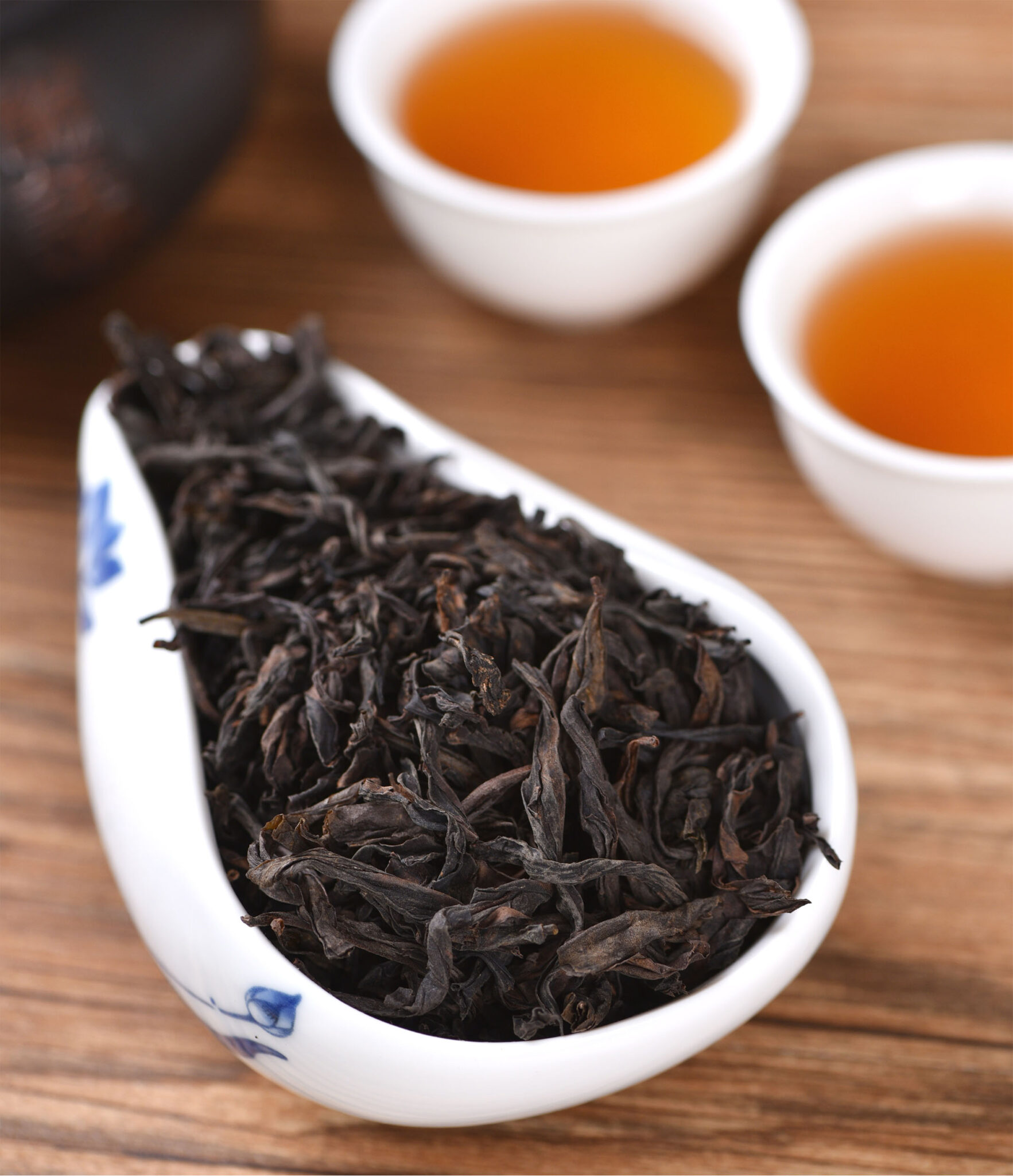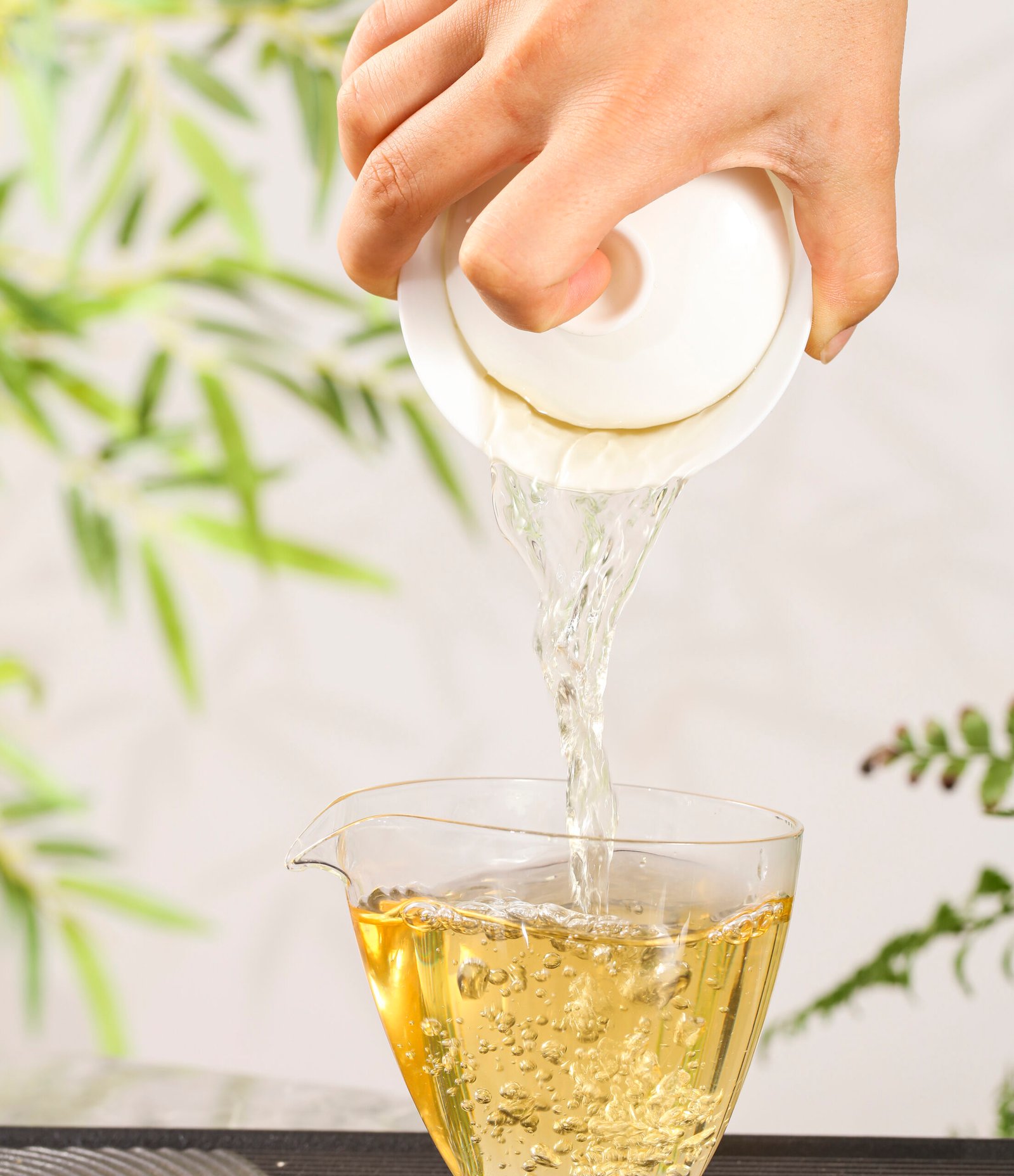
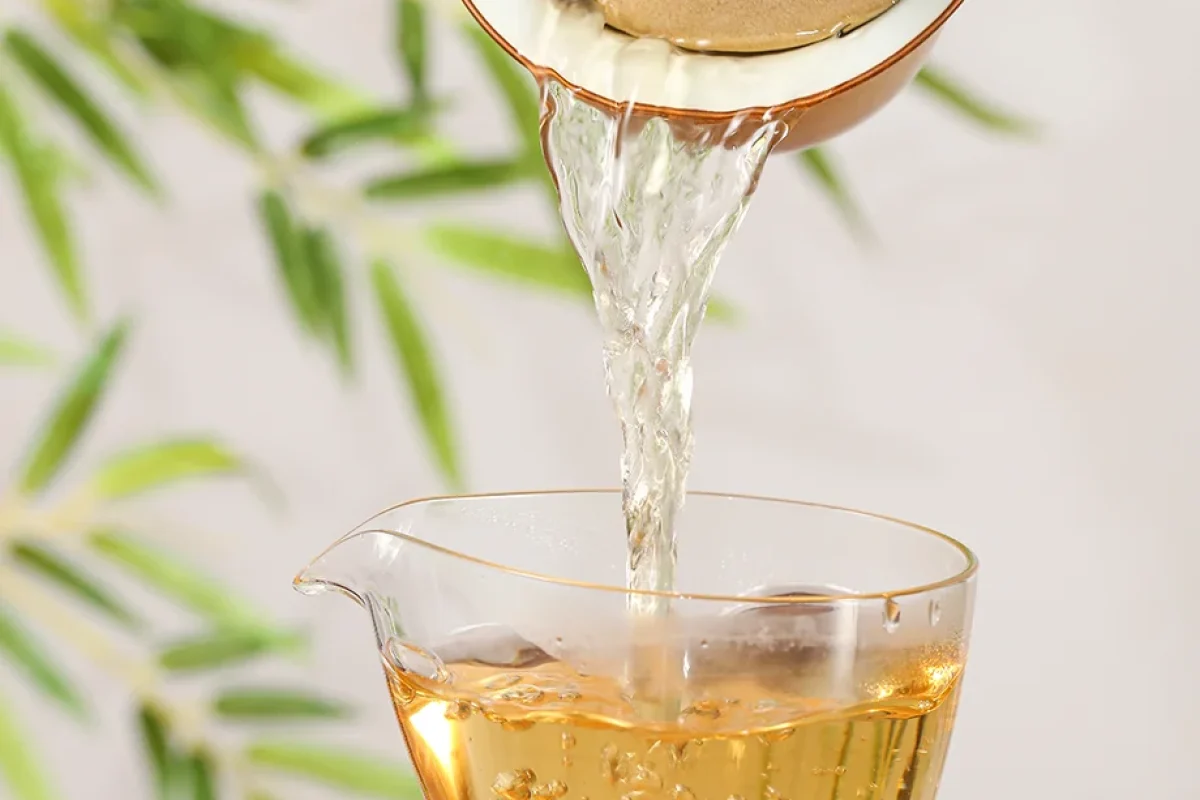
Phoenix Dancong is one tea built on ten aromas. The leaves come from one mountain in Chaozhou, Guangdong, and the same processing tradition, but the cultivars smell like different gardens. Gardenia. Orchid. Magnolia. Honey orchid. Almond. Ginger flower. Cinnamon bark. Osmanthus. Tuberose. Jasmine. Each aroma is called a xiang, and each xiang is a separate cultivar with a separate bush, a separate harvest, and often a separate farmer.
If you have read about Ya Shi Xiang or Mi Lan Xiang and wondered where they sit among the rest, the map is here.
What “xiang” means in Phoenix Dancong
Xiang (香) means fragrance. In Phoenix Dancong, it names the aroma a specific cultivar produces when picked, withered, bruised, fried, rolled, and finish-roasted in the Chaozhou method. The aroma is not added. It comes from the leaf chemistry of that single bush lineage.
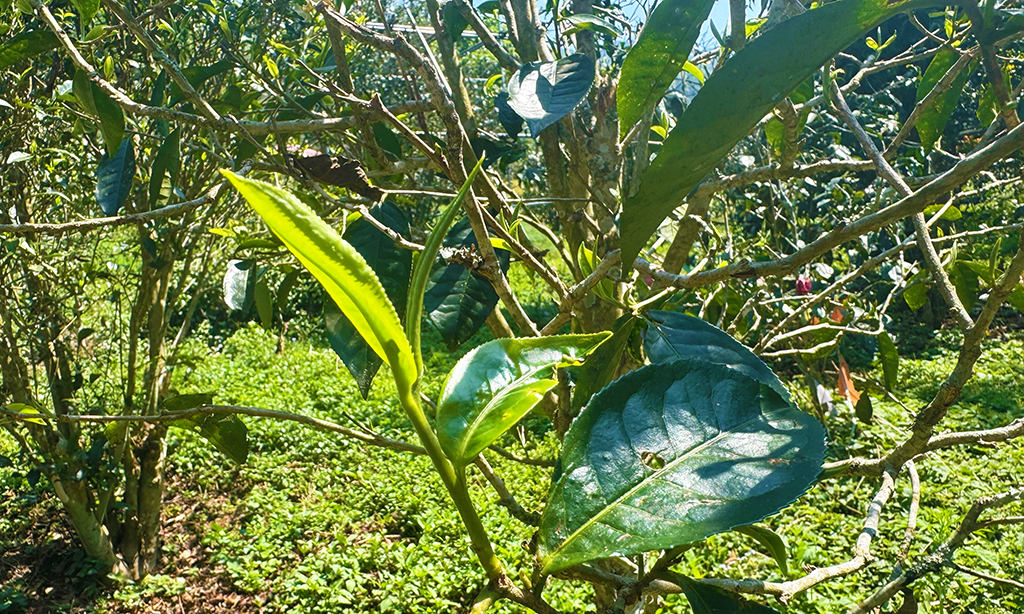
Dancong (单丛) literally means single bush. In the old practice, every named xiang traced back to a single ancestor tree. Modern Dancong is produced from cuttings and grafts of those ancestor bushes, so the “single bush” name lives on as a cultivar designation rather than a literal one-tree harvest. The exception is Lao Cong (老丛), old-bush stock from 50 to 100+ year trees, which still produces small lots from individual plants.
The ten famous xiang are the cultivars the Chaozhou growers formalised in the 1950s as the canonical roster, the so-called Shi Da Xiang Xing (十大香型), the Ten Famous Aroma Types.[1]
A quick map of Phoenix Mountain
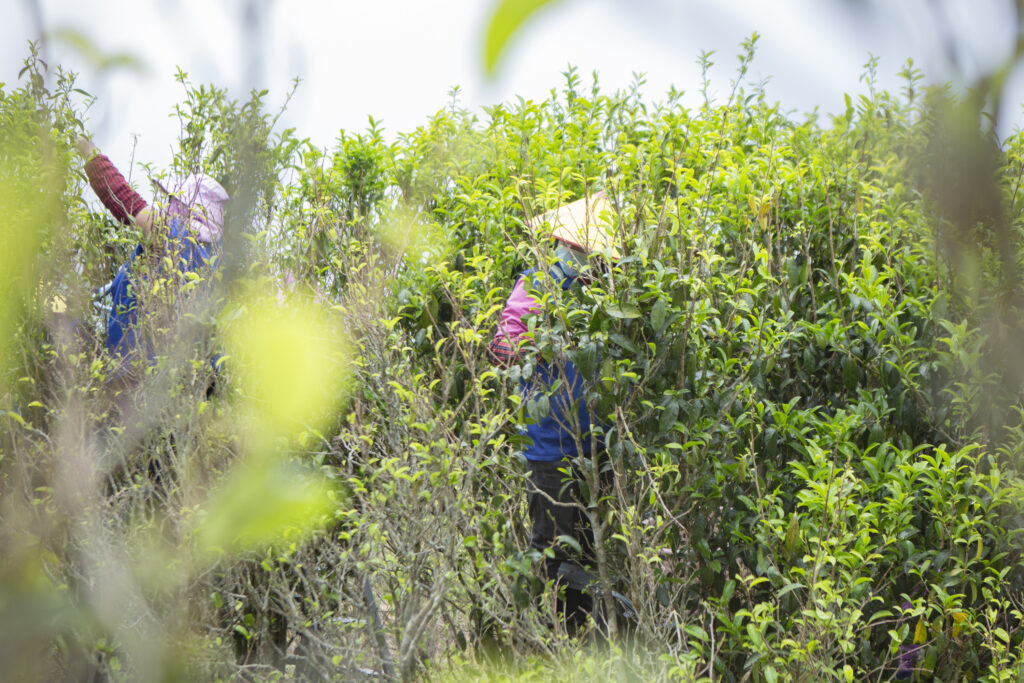
The mountain is Fenghuang Shan (凤凰山), the Phoenix Mountain ridge in northern Chaozhou, Guangdong. Elevation runs from about 500 m on the lower slopes to 1,498 m at the Wudong Shan peak. The best Dancong comes from the southeast face between 800 m and 1,400 m, where cloud cover, granitic soils, and cool nights pull aromatic volatiles into the leaf.
Hence buys from a small number of growers on those slopes. The farmer relationship is key: the same xiang name from two farmers can be two different teas, so cultivar alone is not enough to know what’s in the cup. Hence Tea’s sourcing trip to Phoenix Mountain is the long version of how those relationships get built. The Dancong we currently carry includes Mi Lan Xiang (Honey Orchid) from Wu Dong Mountain, two lots of Ya Shi Xiang (unroasted and roasted) from the Phoenix Mountain ridge, and a winter-harvest Snowflake.
The ten famous xiang types
The roster varies slightly between sources. We follow the Chaozhou Tea Research Institute list, which is also the list used in peer-reviewed analytical chemistry work on Dancong cultivars.[2] Aroma notes are sensory, not metaphor: every name points to a real flower, fruit, or spice the cultivar smells like in the cup.
1. Huang Zhi Xiang (黄枝香), Gardenia
Yellow gardenia branch. Bright, high-toned floral with a clean citrus-peel finish. Often the first xiang a new drinker can identify because the gardenia note is unmistakable. Liquor is pale gold, body is light. Brews very clean at 95°C with 7 g in a 110 ml gaiwan.
2. Zhi Lan Xiang (芝兰香), Orchid
Wild orchid aroma. Cooler and more restrained than Huang Zhi Xiang. The aroma sits in the back of the nose rather than the front. Zhi Lan Xiang is often described as the connoisseur’s xiang because it rewards slow drinking and shows different facets across 10 to 15 infusions.
3. Yu Lan Xiang (玉兰香), Magnolia
Magnolia flower. Creamier and rounder than the orchid xiang, with a faint stone-fruit edge in the aftertaste. Yu Lan Xiang takes roast well, and a well-roasted batch will read almost like baked pear under the floral top note.
4. Mi Lan Xiang (蜜兰香), Honey Orchid
The most famous of the ten outside China. Mi (蜜) is honey, Lan (兰) is orchid. The aroma is exactly that combination: a thick honeyed top note over a softer orchid base, with longan fruit in the finish. Mi Lan Xiang is the most planted xiang on Phoenix Mountain and the most accessible introduction to the category. Hence’s Mi Lan Xiang (Honey Orchid) is a mid-roast lot.
5. Xing Ren Xiang (杏仁香), Almond
Almond kernel. Less floral, more nutty and warm. Reads closer to a roasted oolong than to the high-floral xiang above it. Xing Ren Xiang ages well; older stock develops a marzipan note that is unique to this cultivar.
6. Jiang Hua Xiang (姜花香), Ginger Flower
Ginger lily flower, not ginger root. Cool, white-floral, with a faint pepper lift on the exhale. Jiang Hua Xiang is one of the harder xiang to find outside Phoenix Mountain because the cultivar is touchy in the field and yields are smaller.
7. Rou Gui Xiang (肉桂香), Cinnamon
Cassia cinnamon bark. Warm, sweet-spice, with a brown-sugar core. Do not confuse with Wuyi Rou Gui, which is a different tea from a different mountain in Fujian. Phoenix Rou Gui Xiang is a Dancong cultivar; the name is shared, the cultivar is not.
8. Gui Hua Xiang (桂花香), Osmanthus
Sweet osmanthus, the same flower used to scent Chinese sweets and rice wine. Heavier and more sugared than gardenia, with a faint apricot note in the finish. Gui Hua Xiang is one of the prettier xiang to start a session with because the aroma reads instantly familiar.
9. Ye Lai Xiang (夜来香), Tuberose
Night-blooming fragrance. Tuberose, the flower that opens at dusk. Heavy, narcotic, almost wine-like. Ye Lai Xiang is one of the rarest xiang on the mountain and the SERP for the name is genuinely thin, which is unusual for a tea this distinctive. If you can find a Ye Lai Xiang lot, brew it short (5 sec for the first infusion) and let the aroma do its work in the empty cup.
10. Mo Li Xiang (茉莉香), Jasmine
Jasmine. The aroma is from the cultivar itself, not from jasmine flowers added during processing (which is how scented jasmine green tea is made). Mo Li Xiang is sometimes confused with scented jasmine teas in casual writing. The Dancong is unscented.
Ya Shi Xiang and the cultivars outside the canonical ten
The ten famous xiang are the roster. They are not the whole catalogue. The Chaozhou Tea Research Institute lists around 80 named Dancong cultivars in total, and several of the most loved sit outside the ten.[3]
The most important of these is Ya Shi Xiang (鸭屎香), literally duck shit aroma. The name comes from a Phoenix farmer who refused to tell competitors what his bush was called and gave them the most unappealing answer he could invent. The aroma is not duck shit. It is closer to a complex floral with a mineral edge, often compared to gardenia plus a slight green-banana note. Ya Shi Xiang has been the breakout Dancong of the last decade outside China. Hence sells two lots: an unroasted Ya Si Xiang for the high-floral profile and a Ya Shi Xiang, roasted for a deeper, sweeter cup.
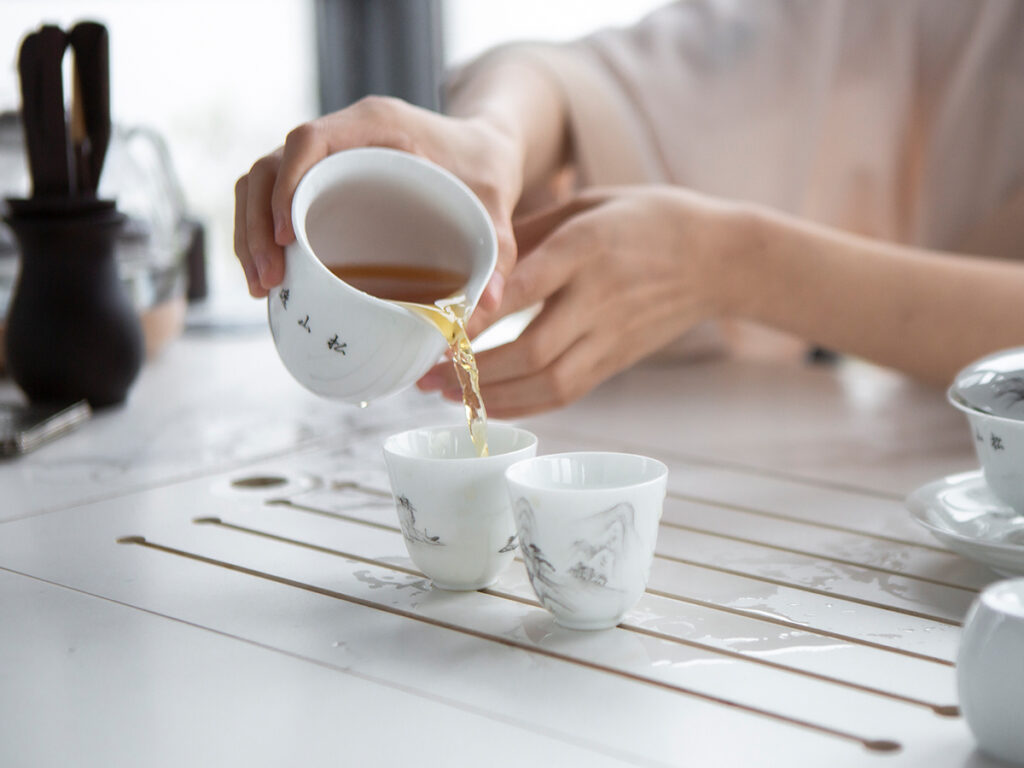
Other cultivars worth tasting once: Ba Xian (Eight Immortals), Song Zhong (Song Dynasty old bush stock), Tong Tian Xiang (Reaching Heaven), and the Phoenix Dancong Snowflake cultivar Hence carries.
How aroma is built: cultivar, elevation, roast
Three variables decide what a xiang actually tastes like in the cup.
- Cultivar. The genetic baseline. Mi Lan Xiang will not smell like Huang Zhi Xiang no matter what the farmer does.
- Elevation and age. Higher elevation and older bushes concentrate aromatic volatiles. A 2026 study in Journal of Food Quality on tree-age and cultivar aroma in Dancong measured noticeable shifts in linalool, geraniol, and indole levels across young, mature, and Lao Cong stock from the same cultivar.[4] Lao Cong lots cost more for a measurable reason.
- Roast. Phoenix Dancong is finished with a charcoal or electric roast that ranges from light (10 to 12 hours, low heat) to deep (multiple passes, several days). Light roast preserves the high-floral top notes. Deep roast pushes the cup toward honey, dried fruit, and baked spice. Both are correct. Both come from the same cultivar.
The shorthand we use in tasting notes. Light means a brighter, higher-toned cup, lower elevation, younger bushes, lighter roast. Heavy means a deeper, denser cup, higher elevation, older bushes, longer roast. The same cultivar can land in either column depending on how it was grown and finished.
| Variable | Lighter cup | Heavier cup |
|---|---|---|
| Elevation | 500 to 800 m | 1,000 to 1,400 m |
| Bush age | 5 to 20 years | 50 to 100+ years (Lao Cong) |
| Roast | light, floral-forward | medium to deep, honey-forward |
| Cup feel | brighter, more aromatic | denser, sweeter, longer finish |
How we choose which xiang to buy
Two Mi Lan Xiang lots from the same village can taste different because the bushes, the elevation, and the hands that finished the leaf all differ. So we buy by relationship, not by label. The Dancong on our shelf comes from a small set of family farms on the Phoenix Mountain slopes who we have visited, tasted with, and bought from across more than one harvest.
The decisive moment is spring. April picks are the prized harvest, and we taste the maocha, the unfinished tea, at the farm before any roast is committed. That tasting is when we decide whether a lot is worth taking and at what roast level it should be finished. Dancong is finished by hand, often by the same family that grew the leaf, and the same maocha in two different hands becomes two different teas. We buy from growers whose roast we trust as much as their bush.
The result is a narrow Dancong roster on purpose. We would rather carry fewer cultivars in larger lots from people we know than a wide catalogue of teas we cannot stand behind. Our farmer-direct sourcing page documents the relationships we keep.
How to start tasting xiang yourself
If you want to learn the ten xiang by mouth, do this:
- Start with Mi Lan Xiang. Honey-orchid is the easiest xiang to identify and gives you a baseline.
- Move to Ya Shi Xiang next. It is the most distinctive aroma in modern Dancong and trains your nose to separate floral notes from mineral notes.
- Then taste Ya Shi Xiang unroasted against Ya Shi Xiang roasted. Same cultivar, same mountain, two roast levels. The contrast shows you what charcoal does to a xiang and trains your nose to separate cultivar from processing.
- Brew everything the same way for the first round: 7 g leaf in a 110 ml gaiwan, water at 95 to 100°C, 5 to 10 second infusions, 10 to 15 steeps per session. Holding brewing constant is how you learn what the cultivar is actually doing. A gaiwan session holds enough cups for two or three people, which is how most of these teas were meant to be drunk in the first place.
Once you have those down, the next contrast worth chasing is Huang Zhi Xiang (gardenia) against Yu Lan Xiang (magnolia).
Taste with someone
Xiang is easier to learn at a table than alone. Two noses catch what one misses, and naming an aroma out loud is how it gets fixed in memory. Phoenix Dancong rewards this more than almost any other Chinese tea because the differences between cultivars are small, specific, and worth comparing in real time.
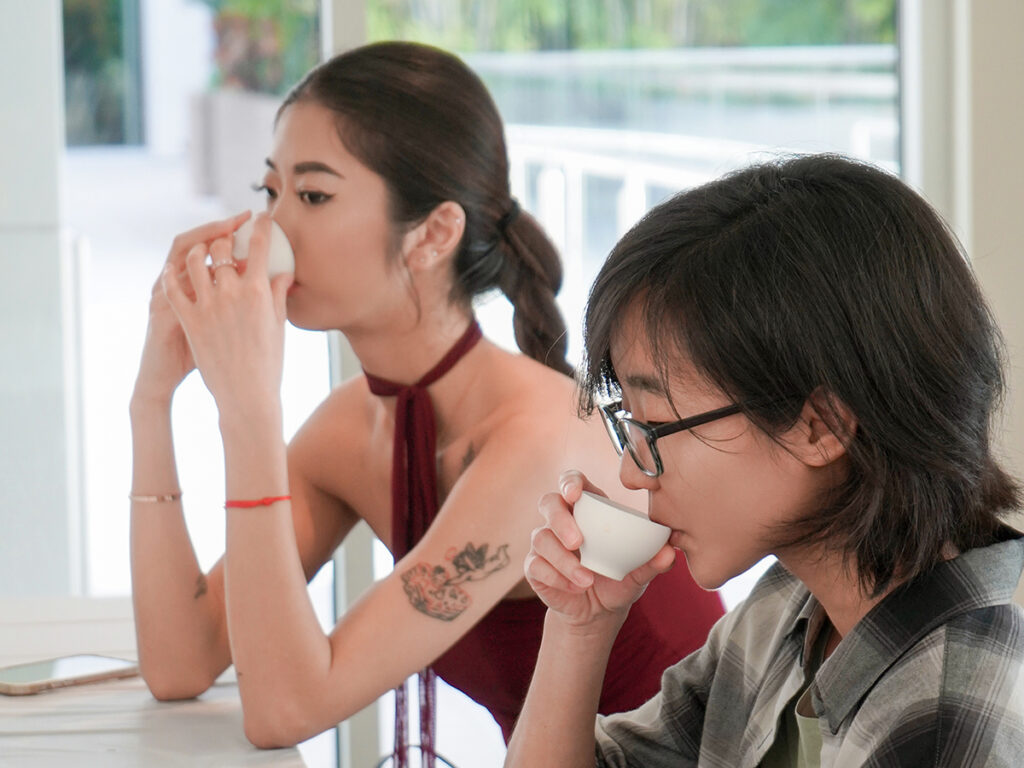
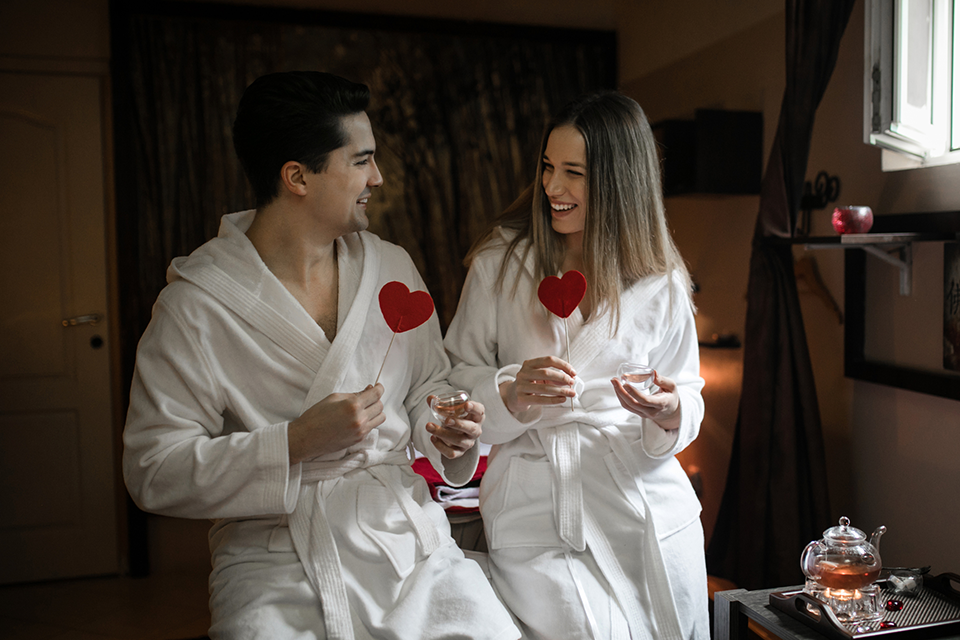
If you’re in the Los Angeles area, we run private in-person tea tastings by booking. We hosted a private tea session for a couple by the ocean to mark their anniversary. Two to four hours, four to six teas brewed Gongfu-style — two Phoenix Dancong, a Da Hong Pao, and a Jingmai raw Pu’er. A slow afternoon together, the kind of session that is the reason we do this work. We also hosted a larger tasting for Women’s Day, twenty to thirty people in one room. Tasting together changed the experience: strangers comparing the same cup picked up each other’s words for the same aroma, and the conversation sharpened with more people at the table.
The whole Dancong and oolong collection sits in one place. Start with one xiang, drink it for a week, share a session with someone, and only then move to the next. That is how the ten aromas of Phoenix Mountain stop being a list and start being teas you know.