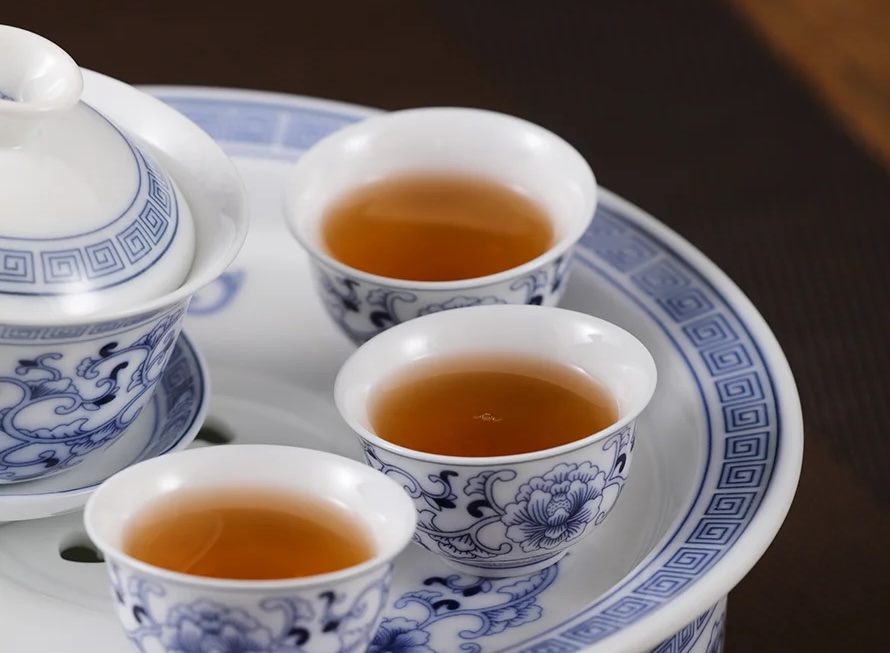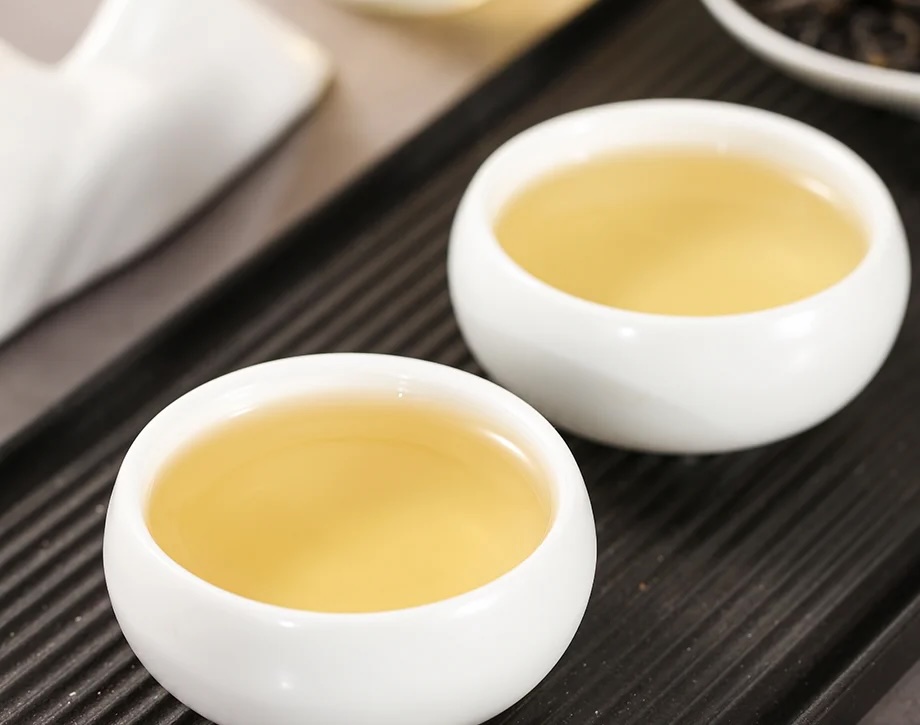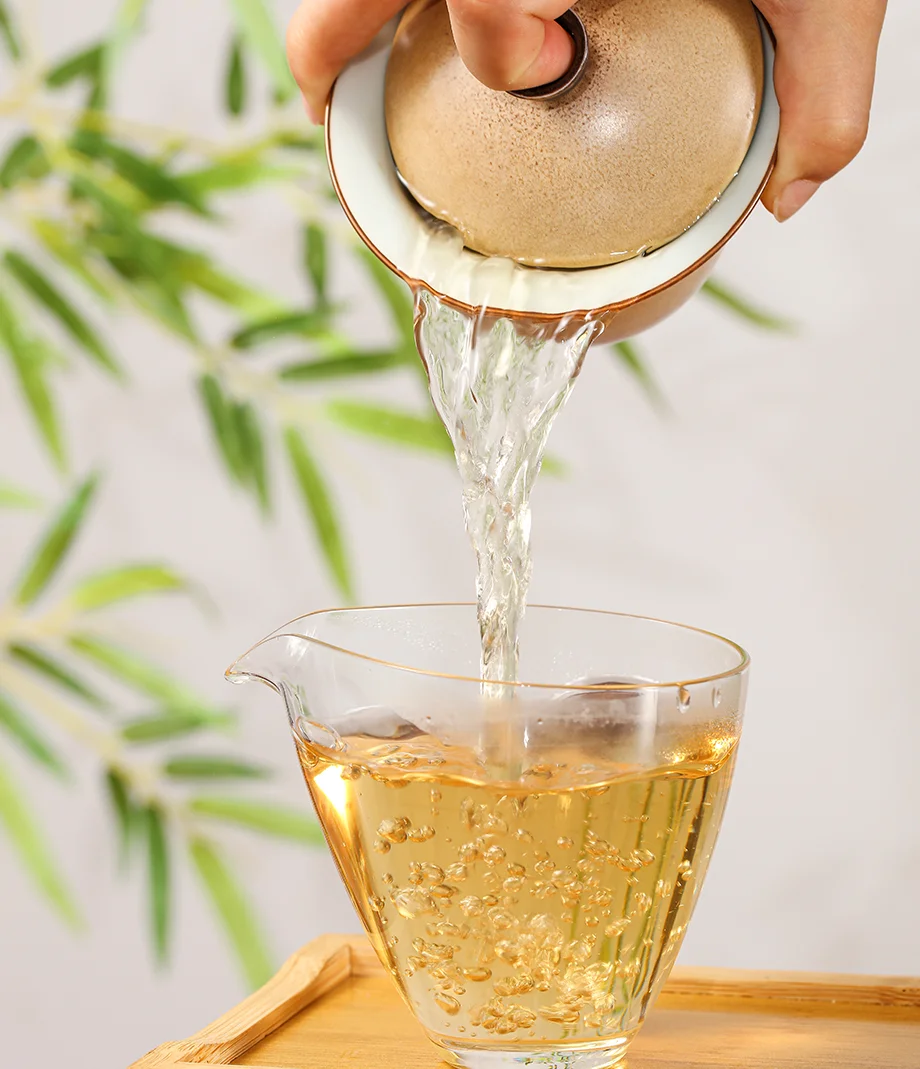

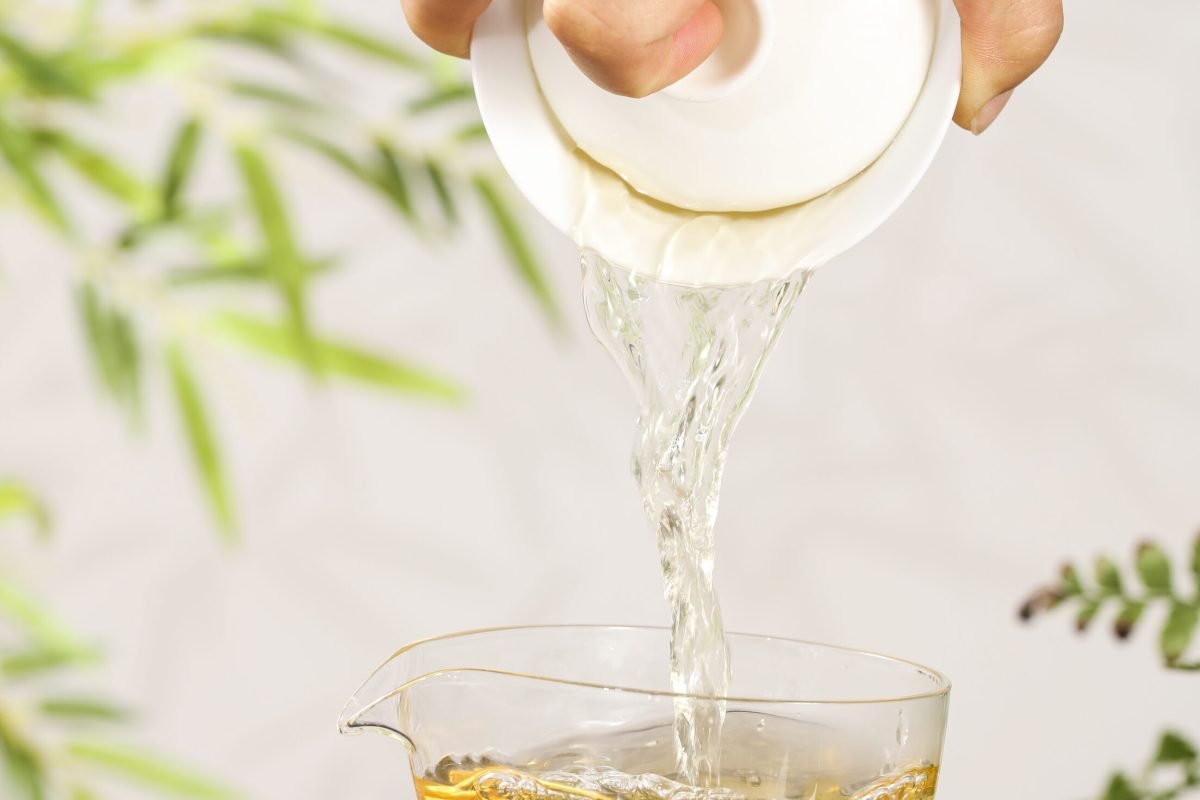
Drinking tea is considered a holy grail for health-conscious individuals or people who want to live a more balanced lifestyle. There are various herbal brews, from green tea to floral teas, and while Oolong tea may not be a crowd favorite (only 2 percent of the world drinks it) it is jam-packed with antioxidants and minerals that more people should consider taking advantage of.
There’s a reason why it’s called Oolong in Chinese, which means “Black” and “Dragon” – because of the tea leaves appearance – but don’t let that deter you, this tea plant is legendary for boosting your health today, you’ll learn the t benefits you’ll reap from drinking Oolong tea as part of your regular diet.

- Mental Alertness and Cognitive Benefits
Oolong tea contains caffeine, just like black or green tea. It’s perfect for working individuals who want to trade their cup of joe for a cup of tea to help them stay awake and focused during the hustle. Drinking tea is also great for students who want to be mentally alert and improve their memory as they cram for their final exams or work on their essays. Coffee is the usual drink for students, but oolong tea is another good alternative to help them destress and practice self-care.
The caffeine concentration of oolong tea is generally between 50 and 75 mg per 8 oz. cup. It has more caffeine than green tea but less caffeine than black tea. The more time your tea steeps, the more caffeine it contains. The amount of caffeine in the tea will decrease with each consecutive steep. L-theanine, an amino acid that improves cognitive performance and reduces anxiety and depression, is abundant in oolong tea.

Whether you’re a working professional or a stay-at-home mother, going for a morning coffee run has become the norm. Small amounts of caffeine can provide the energy you need to get through the day, but too much can harm your health. The United Brain Association estimates that 90% of Americans regularly consume caffeine. Here are some of the negative effects of daily caffeine consumption: anxiety, heart palpitations, insomnia, and hyperacidity. Therefore, indulging in Oolong tea seems like a healthier alternative that busy individuals can savor without the dangers of consuming large amounts of caffeine.
Drinking Oolong tea is also highly beneficial for the elderly since it contains antioxidants that help slow down cognitive decline and ameliorate the risk and impact of neurodegenerative diseases that come from aging, such as dementia and Parkinson’s disease. A scientific study supports the positive effects of drinking Oolong tea regularly among the elderly, which helps enhance information processing, memory, and brain cognition. Ultimately, people from all walks of life can benefit from drinking Oolong tea, which aids brain health and keeps your memory sharp.

- Aids Weight Loss
Tea has been a staple in diet plans for losing weight for years. For anyone looking to lose weight, it’s the go-to beverage since it is possible to lose weight by consuming one cup of oolong tea every day. Oolong tea promotes fat-burning and raises your body’s caloric expenditure by up to 3.4%. Oolong tea may lower body fat and increase metabolism, which reduces the risk of heart disease, diabetes, kidney issues, high blood pressure, and other conditions. Oolong tea use should be combined with a healthy lifestyle.

- Boosts Cardiovascular Wellness
One of the leading causes of death globally comes from heart conditions.
As we age, our risk of cardiovascular problems increases. This is particularly true for those over 40. Oolong tea contains polyphenols, which help break down triglycerides, a type of blood fat that can thicken artery walls and raise the risk of heart attacks, strokes, and other heart conditions. Research also shows that the polyphenols found in Oolong tea aid in reducing high cholesterol levels and lower blood pressure.
Studies have been conducted on the potential benefits of green and oolong tea for preventing strokes. A remarkable 21% of those who drank three cups of oolong tea a day also discovered that their stroke risk had decreased.

- Improves Skin’s Texture
Oolong tea contains antioxidants that help shield skin cells from harm from free radicals, giving you beauty benefits beyond the surface. Regular consumption of oolong tea may help prevent wrinkles and age spots; according to Japanese research, the antioxidants in this herbal tea relieve inflammatory skin diseases, including rosacea and eczema. Due to its versatility, oolong tea can also be used as a facial toner to improve the texture of your skin and transition to an organic skin care regimen.

- Supports Immune System
A cup of Oolong tea makes you feel warm and helps you continue living a balanced life by promoting gut health and boosting your immune system. People of all ages are susceptible to chronic inflammation because of processed food consumption and unhealthy lifestyle choices, which have been connected to a variety of illnesses, such as cancer and autoimmune disorders.
Antioxidants included in oolong tea can lessen inflammation in the body. Oolong tea’s antioxidant flavonoids aid the body’s defense against certain harmful microorganisms, boosting the immune system, which makes you live life to the fullest!

With every sip of Oolong tea, this hearty yet refreshing brew works wonders for your health, whether dealing with the flu or needing a pick-me-up after a day. It’s high time you included Oolong tea in your tea collection!