
Da Hong Pao is the most famous oolong in China. The name translates to “Big Red Robe,” and the tea has carried that name for roughly four centuries. It grows on the cliffs of the Wuyi Mountains in northern Fujian, where six original mother bushes still cling to a single rock face. In 2002, twenty grams of leaf from those bushes sold at auction for 180,000 RMB, then about 22,000 USD. The mother bushes have not been harvested since 2006.
Most of what is sold today as Da Hong Pao is not from those bushes. That is not a scandal. It is the structure of the tea, and once you understand it, you can buy a Da Hong Pao that is honest, delicious, and worth every dollar.
What Da Hong Pao Is
Da Hong Pao is a roasted oolong from the Wuyi Mountains, processed in the traditional yancha (rock tea) style. The category includes hundreds of cultivars grown on the same cliffs. Da Hong Pao sits at the top of that category by reputation.
Three things define it:
- Origin: Wuyi Shan, a UNESCO World Heritage site in Fujian Province, inscribed in 1999 for both natural and cultural value.[1]
- Cultivar: Today the name “Da Hong Pao” most often refers to the Qi Dan cultivar (a clone propagated from one of the mother bushes) or to a blend of compatible Wuyi cultivars roasted in the Da Hong Pao style.
- Processing: Withered, lightly bruised to start oxidation, partially oxidized to roughly 30 to 60 percent, dried, then charcoal-roasted in multiple sessions over weeks or months.
Roast level is the first thing to ask about when buying. Wuyi rock oolongs range from light roast (clean, floral, closer to a green oolong) to heavy traditional roast (caramelized, mineral, deep). Da Hong Pao is usually medium to heavy.
The Wuyi Cliffs and the Origin of Yancha
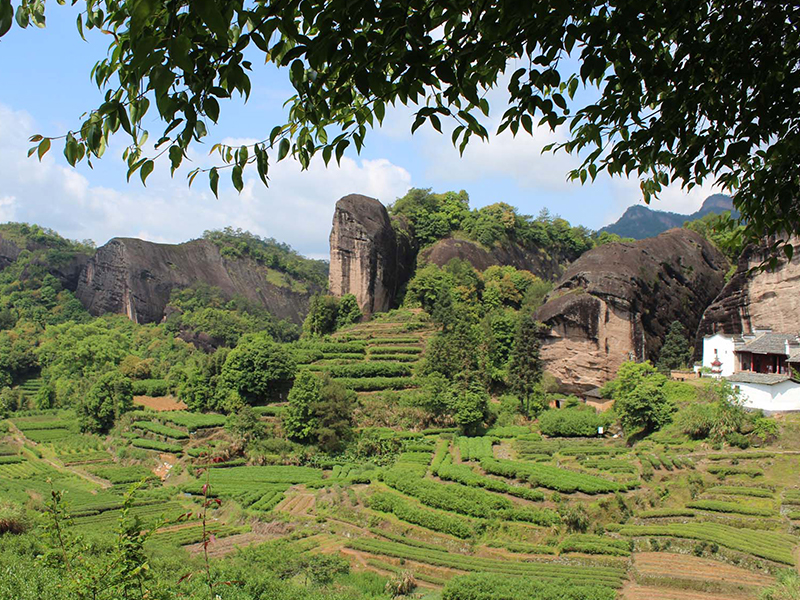
Yancha means “rock tea.” The name is literal. The bushes grow in seams between volcanic rock, often on cliff faces, where the soil is thin and rich in minerals. Rain runs off fast. Sun hits at angles. The leaves develop a quality the Chinese call yan yun, “rock rhyme,” a mineral-thick aftertaste that lives at the back of the throat and lasts through ten or more steeps.
Wuyi Shan was inscribed by UNESCO in 1999 as a mixed natural and cultural site, in part for the unbroken tea-producing tradition that has shaped the landscape since at least the Song Dynasty.[1] The reserve covers about 1,000 square kilometers of subtropical forest, sandstone gorges, and the Nine-Bend Stream. Within it, growers distinguish between three production zones with descending price and prestige:
- Zhengyan (正岩, “true rock”): the inner cliff core. Highest mineral expression. Tightly limited acreage. The mother bushes sit here.
- Banyan (半岩, “half rock”): the foothills around the core. Still strong yan yun, more accessible price.
- Zhoucha (洲茶, “riverbank tea”): flatland tea grown near the streams. Lighter mineral character, much higher yields.
A Da Hong Pao sold without a zone declaration is almost always Banyan or below. Honest sellers state the zone. Always ask.
You can browse the teas we source from Wuyi Shan to see how the region’s profile differs from Anxi or Phoenix Mountain oolongs.
The Four Mother Bushes and the 2002 Auction
The legend places Da Hong Pao in the Ming Dynasty. A scholar traveling to take the imperial exams fell ill near the Tianxin Yongle Temple in Wuyi. The monks brewed him a tea from bushes growing on a cliff above the temple. He recovered, took the exam, placed first, and returned in his red imperial robe to thank the bushes. He draped the robe over them. The bushes are still there. There is a stone carving of the name 大红袍 (“Da Hong Pao”) on the cliff next to them.
Six original mother bushes survive on that rock face. Estimated age: roughly 360 years.
The auction record is real and well documented. In 2002, at the Wuyi Mountain Tea Cultural Festival, 20 grams of leaf from the mother bushes sold for 180,000 RMB.[2] At later events the per-gram price climbed higher. In 2006, the local government ordered a permanent harvest ban on the mother bushes to preserve them. The last 20 grams were ceremonially handed to the National Museum of China.
This matters for buyers because no one selling you Da Hong Pao under 50 USD per gram is selling you mother-bush tea. Anyone claiming otherwise is lying. What they should be selling is a clone or a blend that descends from those bushes, and that is the tea worth understanding.
Cultivars: What “Da Hong Pao” Means on a Label Today
Tea growers in Wuyi propagate cultivars by cuttings, not seed, so a clone is genetically identical to its parent. Starting in the 1980s, the Wuyi Tea Research Institute identified and propagated several cultivars from the mother bushes. The two best known:
- Qi Dan (奇丹, “rare cinnabar”): the closest direct clone of one of the mother bushes. The most common single-cultivar tea now sold as “pure-cultivar Da Hong Pao.”
- Bei Dou (北斗, “Big Dipper”): a separate cultivar developed by the agronomist Yao Yueming in the 1960s, also from mother-bush cuttings.
Most commercially sold Da Hong Pao is one of three things:
- Pin Zhong (拼配) blend: a recipe blend of two to five Wuyi cultivars (often Shuixian, Rou Gui, Qi Dan, Bei Dou) roasted to the Da Hong Pao profile. This is the historical and most common form. A skilled blender produces a tea that is more balanced than any single cultivar.
- Single-cultivar Qi Dan: marketed as “pure-cultivar Da Hong Pao.” Cleaner cultivar signature, often more expensive.
- Single-cultivar Bei Dou: less common, prized for floral lift.
A blend is not a downgrade. Many of the most respected Wuyi masters consider a well-built Pin Zhong blend the truer expression of the name, because Da Hong Pao has historically been a category and a roast style as much as a single plant.
You can taste two of the cultivars commonly used in Da Hong Pao blends on their own: Rou Gui (cinnamon oolong) and Shuixian (narcissus oolong). Brew them next to a Da Hong Pao and the blend’s contributions become obvious.
How Da Hong Pao Is Made
Wuyi rock tea processing is one of the most labor-intensive in Chinese tea. The basic sequence:
- Plucking: late April through early May. Three to four mature leaves on a stem, not buds. Mature leaves carry the cell-wall compounds that survive heavy roasting.
- Withering (萎凋): outdoor sun-wither, then indoor cooling. Reduces moisture from roughly 75 percent to 60 percent.
- Bruising (做青, “shake-green”): leaves are agitated in bamboo trays in cycles over six to twelve hours. This breaks cell walls at the leaf edges and starts oxidation. The center of the leaf stays green; the edges turn red. The classic Wuyi leaf is “green leaf, red edge.”
- Kill-green (杀青): high-heat tumble in a hot wok or drum stops oxidation.
- Rolling (揉捻): twists the leaf into the long, twisted shape of finished yancha.
- Drying: initial moisture reduction.
- Roasting (焙火): the step that defines Da Hong Pao. Done over charcoal in bamboo baskets, in two to four sessions spaced weeks apart, at descending temperatures (typically 110 to 140 degrees Celsius). The total roasting time can exceed 30 hours of cumulative heat.
Roasting is what creates the dark color, the mineral depth, and the long shelf life. A heavy-roast Da Hong Pao improves for one to three years after production as the roast notes settle and the underlying floral and fruit notes re-emerge. A 2018 study published in Food Chemistry measured the formation of pyrazines, furanones, and other roasting-derived volatiles in Wuyi rock oolong and confirmed the link between charcoal roasting time and the mineral, caramelized character drinkers identify as yan yun.
How to Brew Da Hong Pao
Da Hong Pao rewards the gongfu method. Western-style steeping (one large mug, long steep) gets you a drinkable tea but flattens the layers that make this tea worth the price.
Gongfu setup:
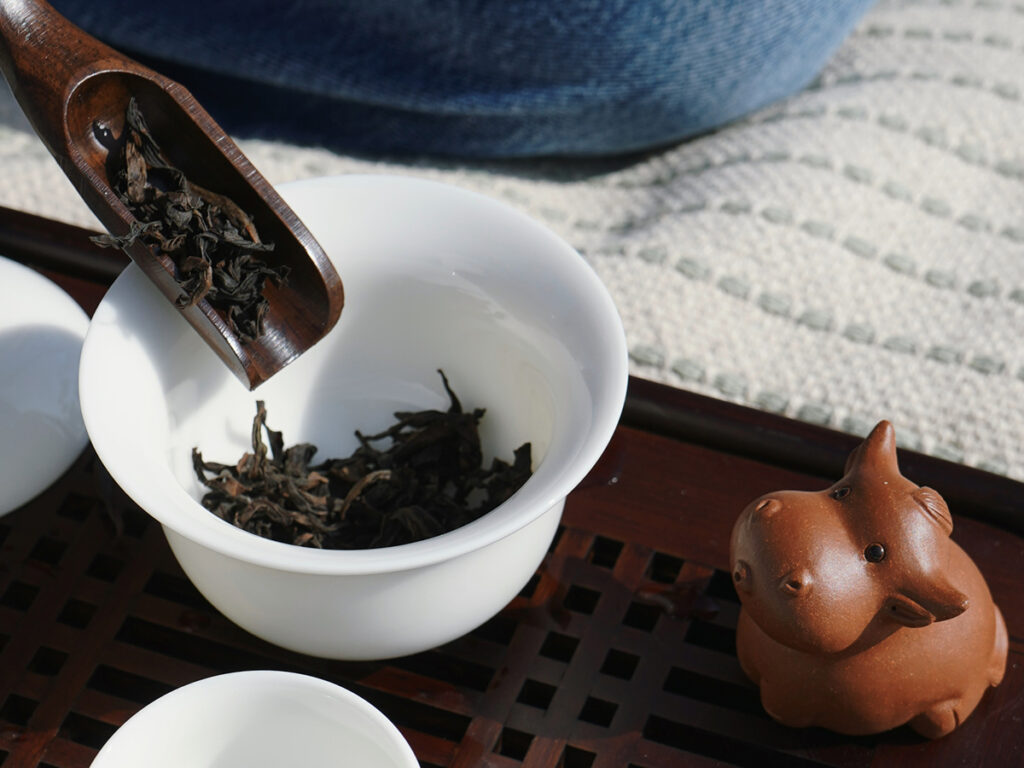
- Vessel: 100 to 150 ml gaiwan or small Yixing pot reserved for roasted oolongs. A gaiwan is the easier starting point because it does not absorb flavor.
- Leaf: 5 to 7 grams (roughly half the gaiwan by volume of dry leaf).
- Water: 100 degrees C, fully boiling. Lower temperatures will mute the roast and underdraw the mineral.
- Rinse: 5-second rinse, discard. Wakes the leaf and clears any roasting dust.
- First steep: 10 to 15 seconds.
- Subsequent steeps: add 5 to 10 seconds each. Expect 8 to 12 quality infusions from a good Wuyi rock tea.
Western fallback:
- 4 grams per 250 ml.
- 100 degrees C.
- 3 to 4 minutes for the first steep, 4 to 5 for the second. Stop after two.
The single most common mistake with roasted oolong is under-temperature water. If your Da Hong Pao tastes thin, raw, or sour, the water was probably under 95 degrees. We have written about this and the other common brewing errors in why your tea isn’t tasting right.
For more on the gongfu format itself, including the etiquette and the rhythm of pouring, see our piece on the Chinese gongfu tea ceremony.
What Da Hong Pao Tastes Like
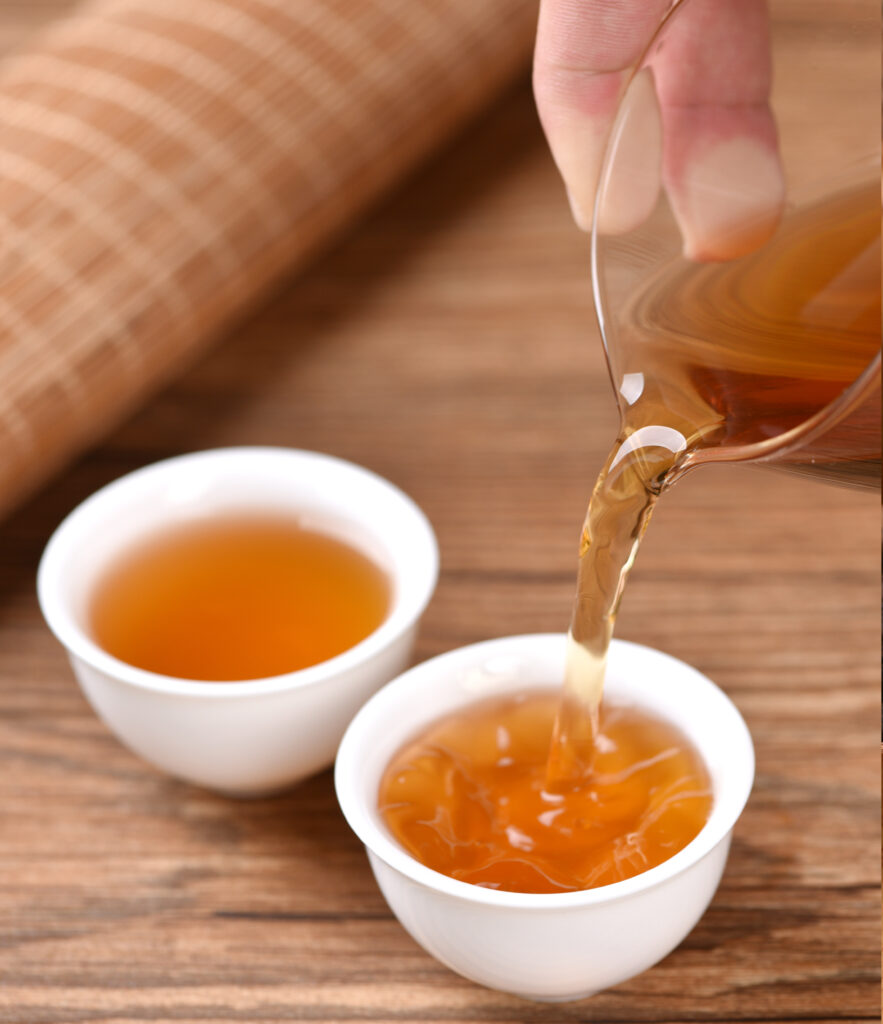
A well-made Da Hong Pao moves through three layers as you brew it.
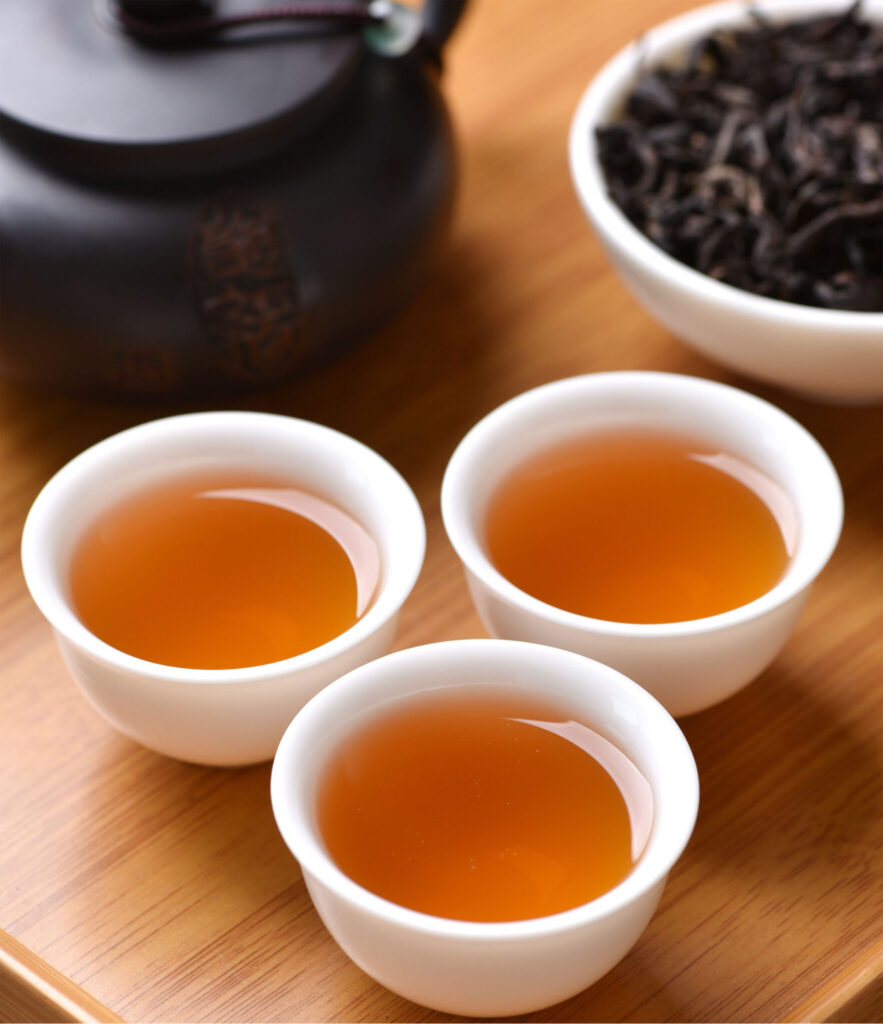
- First infusions (1 to 3): caramelized roast, dark stone fruit, dried longan, warm wood. The roast is forward.
- Middle infusions (4 to 7): the roast recedes and the underlying cultivar character emerges. Look for orchid, ripe peach, dried apricot, a cocoa edge in heavier roasts. This is where the cultivar signature lives.
- Late infusions (8 plus): floral and mineral. The famous yan yun lives here, a cooling, throat-coating sensation that lingers for minutes after the cup is empty. It is not a flavor so much as a texture and an echo.
A Da Hong Pao without yan yun is not a bad tea. It just is not Da Hong Pao. It is a roasted oolong wearing the name. The mineral aftertaste is the single non-negotiable signal of zone-correct, well-processed Wuyi rock tea.
Caffeine is moderate, comparable to other oolongs, lower than most black teas, higher than most green teas. The L-theanine-to-caffeine ratio in oxidized, roasted oolongs produces an alert-but-calm character that experienced drinkers describe as warming rather than jittery.
Where to Buy Real Da Hong Pao
The five filters above (zone, cultivar, roast year, producer, leaf appearance) are important in your search for the best Wuyi rock tea. We sourced our Da Hong Pao around those five answers.
- What zone? Wuyishan, Fujian. Direct from a family producer we visit each year.
- What cultivar or blend? Pin Zhong blend, roasted to the traditional Da Hong Pao profile.
- Roast year? Listed on the product page or available upon request.
- Who is the producer? A family farm in Wuyi we have worked with since 2018.
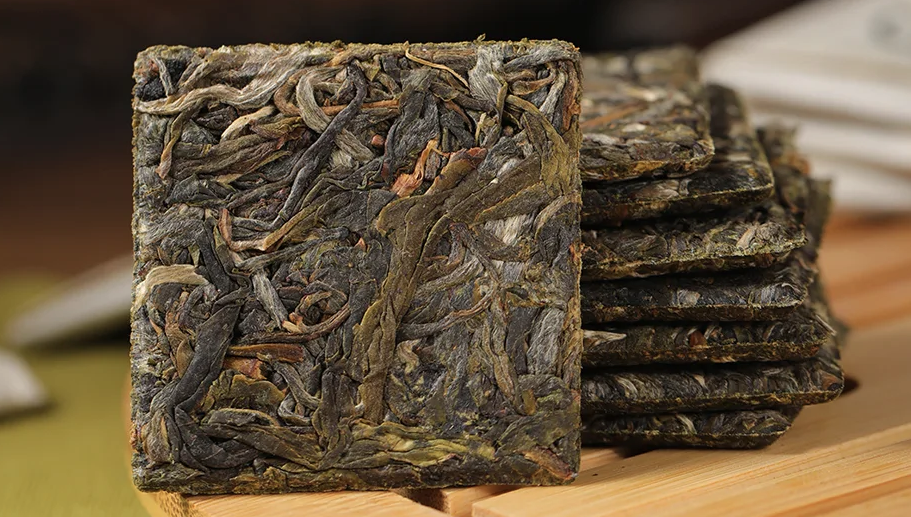
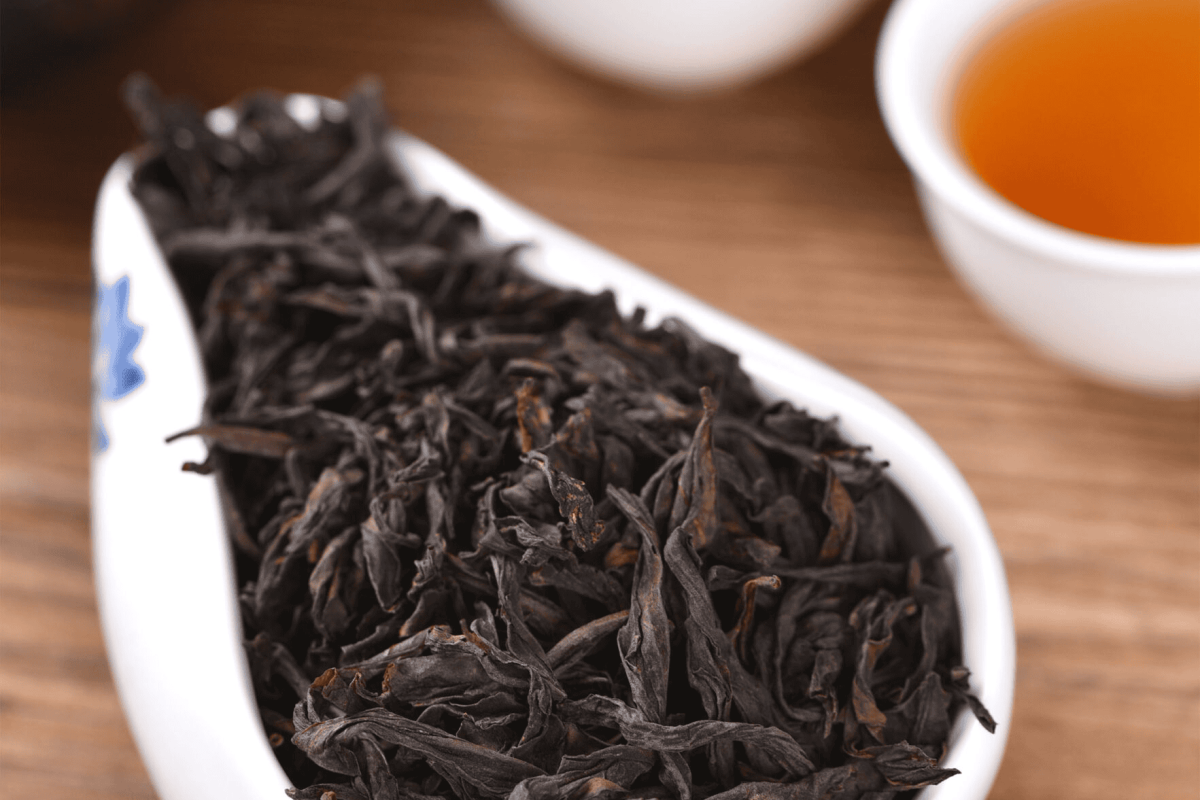
- What does it look like? Long, twisted, dark brown to black. Warm-bread and dried-fruit aroma on the open bag.
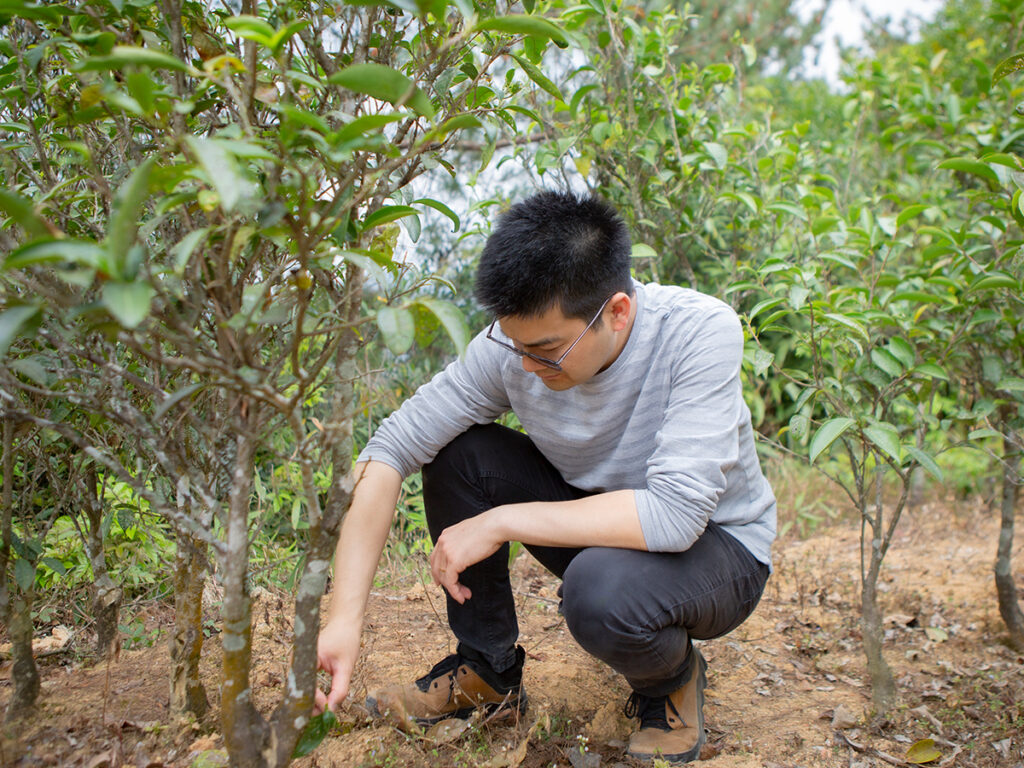
Every tea is personally vetted by the team. Founder Jack Jiao has been sourcing direct from independent Chinese tea farmers since Hence Tea was founded in 2018, with annual visits to China to taste and select. Every tea on the site is personally vetted by the team. And our sourcing model works through family farms with generations of cultivation experience, with recyclable packaging end to end.
Our Da Hong Pao is a top seller on the site, with drinkers calling it their go-to. Shop our Da Hong Pao from $20.95 for a 50g pack, with complimentary shipping over $50. Or browse the full oolong collection for Rou Gui, Shuixian, and other Wuyi rock teas. If you want to taste before committing, our tea tasting sessions and 2027 Tea Trip put Wuyi rock oolong in your hand with someone walking you through it.
FAQ
Is Da Hong Pao a black tea?
No. It is a partially oxidized oolong, roughly 30 to 60 percent oxidized. Heavy roasting gives it a dark color that newcomers often mistake for black tea, but the leaf, the processing, and the flavor profile are oolong.
Can I drink the mother-bush Da Hong Pao?
No. The six surviving mother bushes have been under a permanent harvest ban since 2006. The last 20 grams were placed in the National Museum of China. Every Da Hong Pao on the market today is a descendant cultivar or a blend.
How many times can I steep it?
A good Wuyi rock tea gives 8 to 12 gongfu infusions. A Zhengyan Pin Zhong or single-cultivar Qi Dan can stretch to 15 with patient brewing.
Does Da Hong Pao expire?
Heavy-roast Da Hong Pao keeps for three to five years stored cool, dry, and away from light, and many drinkers prefer it after one year of rest. Light-roast Wuyi oolongs have a shorter window of one to two years.
What is the difference between Da Hong Pao and Rou Gui?
Both are Wuyi rock oolongs from the same region using the same processing. Rou Gui is a single cultivar with a distinct cinnamon-bark spice. Da Hong Pao is usually a blend (or the Qi Dan cultivar) tuned for balance. Tasting them side by side is the fastest way to learn what a cultivar signature is.
Da Hong Pao is one of the few teas that earns the reputation. The legend, the auction record, and the scarcity are real. So is the tea you can buy today. Ask the right questions, brew it hot, give it eight steeps, and listen for the yan yun.
Shop our Da Hong Pao, or browse the full oolong collection.