
Embracing Tradition: The Enchanting Chinese Gongfu Tea Ceremony (2)

In the vast realm of tea culture, the Chinese Gongfu Tea Ceremony stands as an exquisite testament to the art of tea preparation and appreciation.

ezgif-3-bbc890257e

Unveiling the Art of the Chinese Gongfu Tea Ceremony

In the vast realm of tea culture, the Chinese Gongfu Tea Ceremony stands as an exquisite testament to the art of tea preparation and appreciation. Rooted in centuries-old tradition, this ceremonial practice embodies a harmonious blend of precision, mindfulness, and aesthetics. Join us as we delve into the intricate steps and essence of this revered ceremony.

Origins and Significance

The Gongfu Tea Ceremony finds its origins in the Fujian province of China, tracing back to the Ming Dynasty (1368–1644). “Gongfu” translates to “skill” or “mastery,” reflecting the meticulous skill and attention required for this practice. It is more than just a method of preparing tea; it symbolizes respect, hospitality, and a way to savor moments of tranquility amidst bustling life.

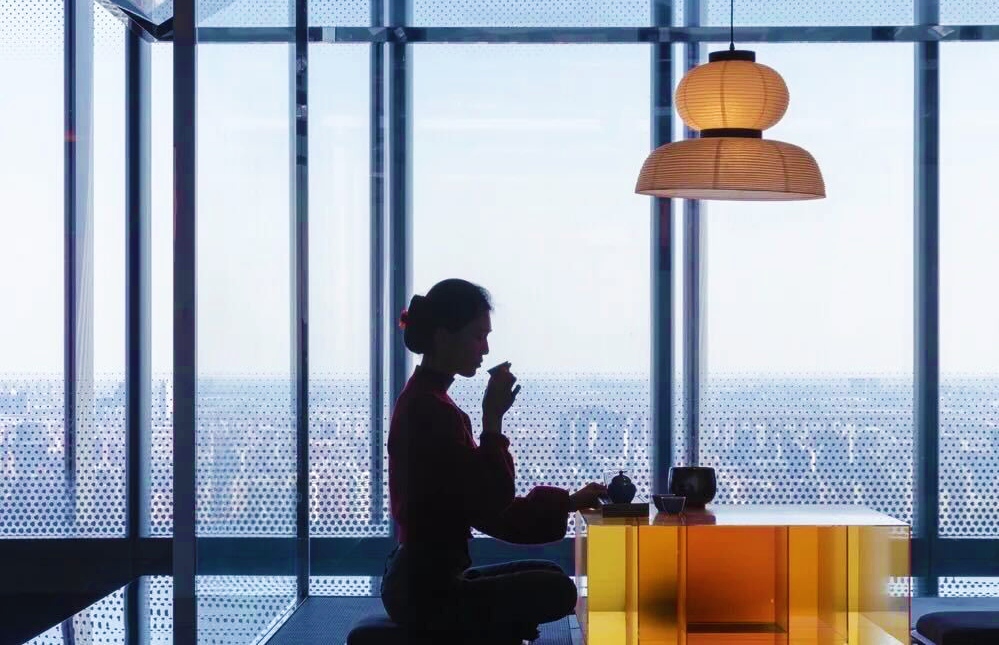
Setting the Stage

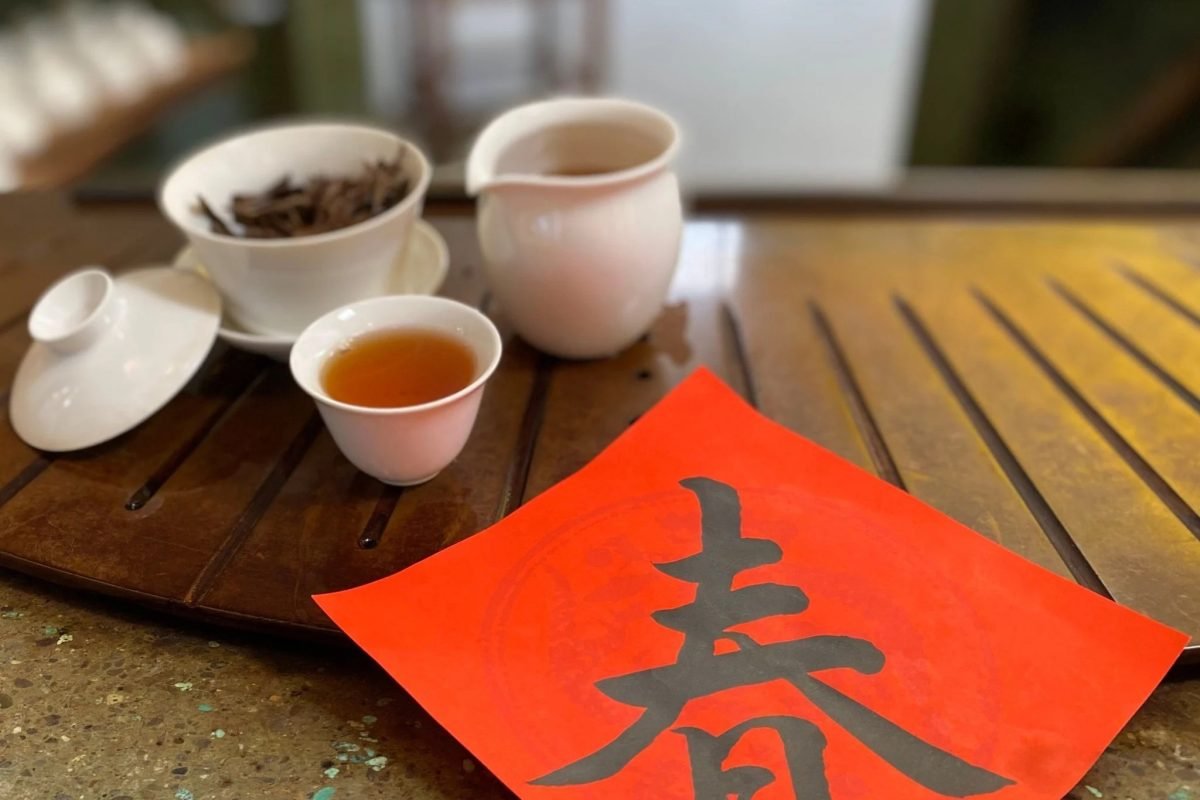
The ceremony typically unfolds in a serene and tranquil environment, often complemented by elegant tea sets, such as Gaiwan or Yixing clay teapots, delicate cups, a fairness cup, and a tea tray. Each element holds significance, contributing to the overall experience.

Steps of the Ceremony

1. Selecting the Tea: The ceremony usually features oolong or pu-erh tea due to their complex flavors. The tea leaves are carefully chosen for their quality and aroma.

2. Warming the Utensils: To cleanse and awaken the teaware, hot water is poured over the teapot, cups, and pitcher. This step also helps in maintaining a consistent temperature for brewing.

3. Tea Brewing: Precise measurements of tea leaves are placed into the teapot, followed by the infusion of hot water. The initial infusion is discarded to rinse and awaken the leaves, readying them for brewing.
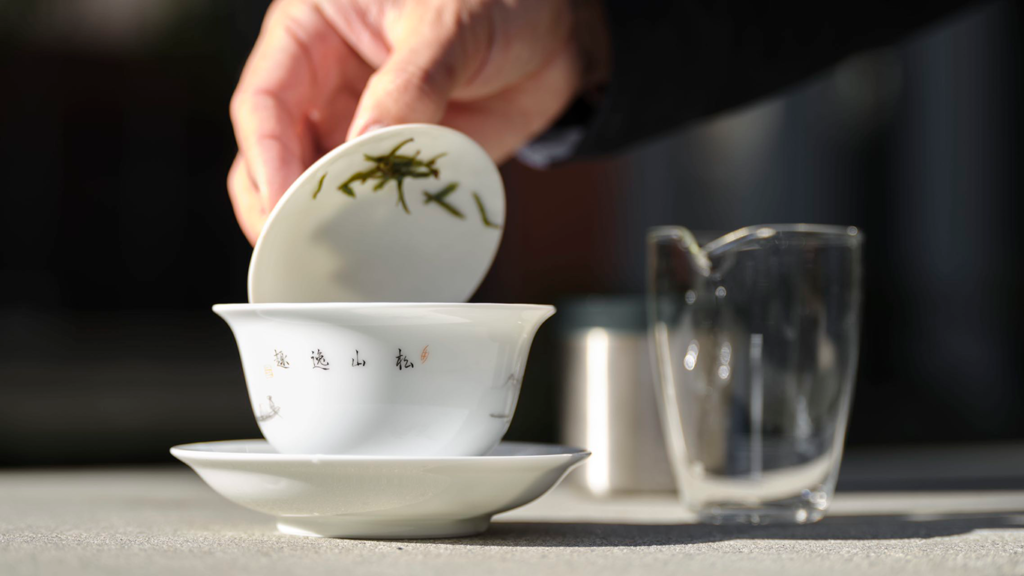
4. Multiple Infusions: The brewing process involves multiple short infusions, allowing the leaves to gradually unfurl and release their flavors. Each infusion varies in time, creating a spectrum of tastes and aromas.
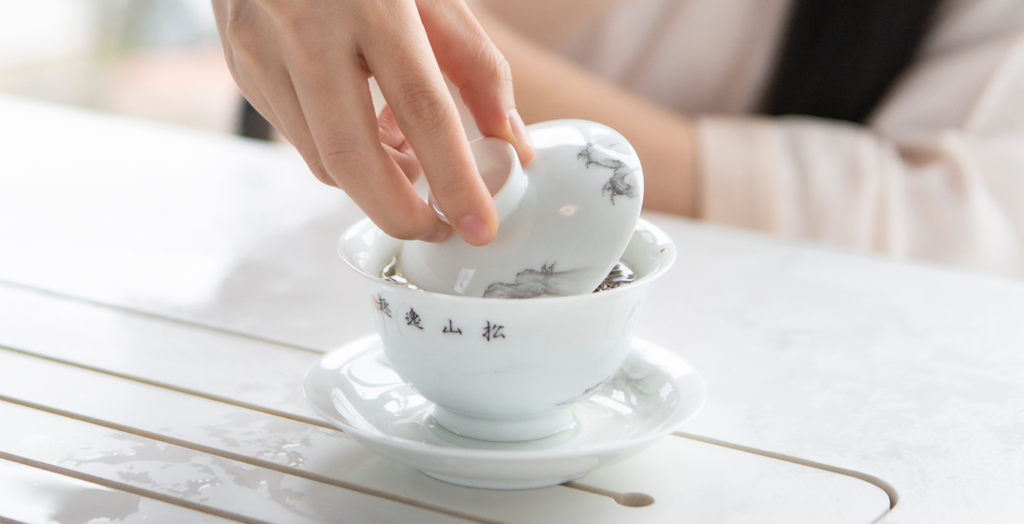
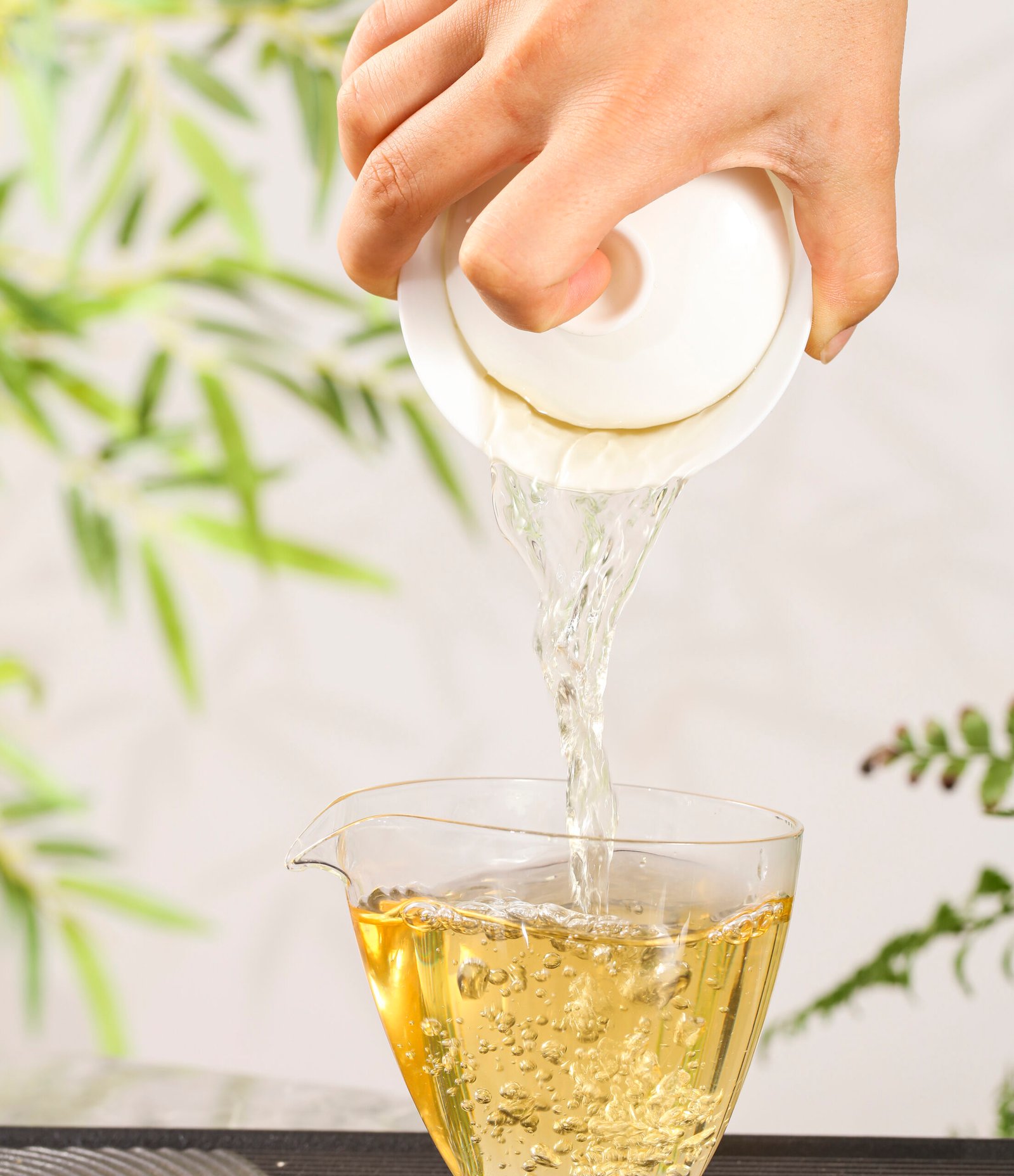
5. Pouring and Serving: With grace and precision, the tea master pours the tea into the fairness cup, then into individual cups, ensuring an equal distribution of flavor and aroma.
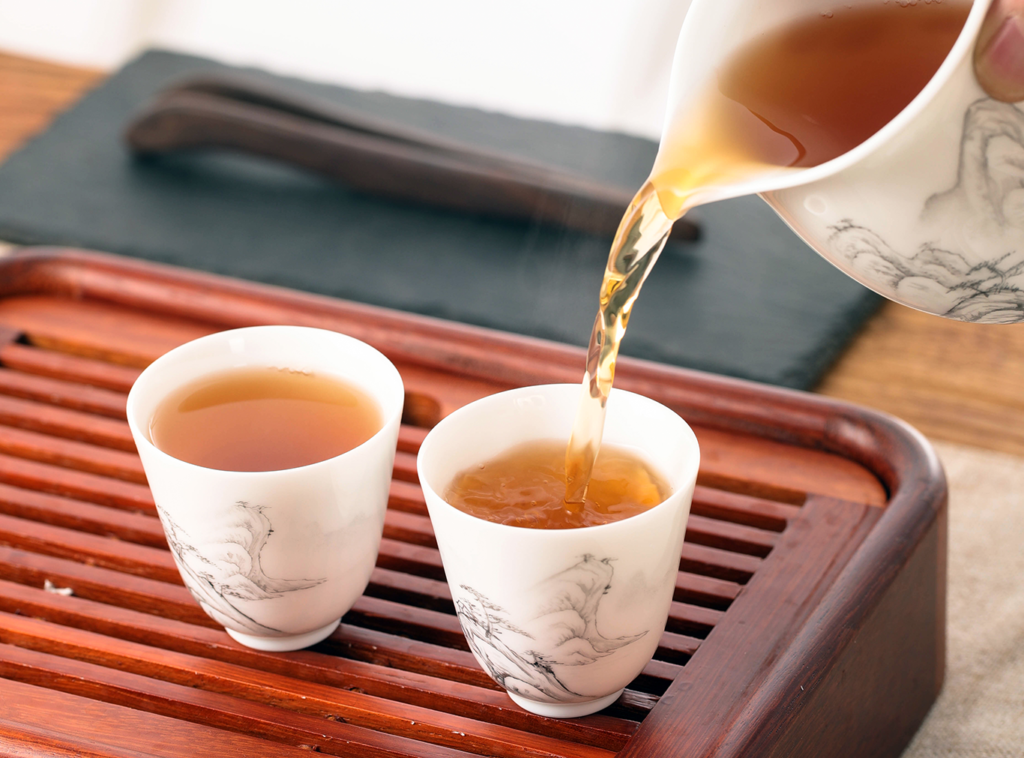
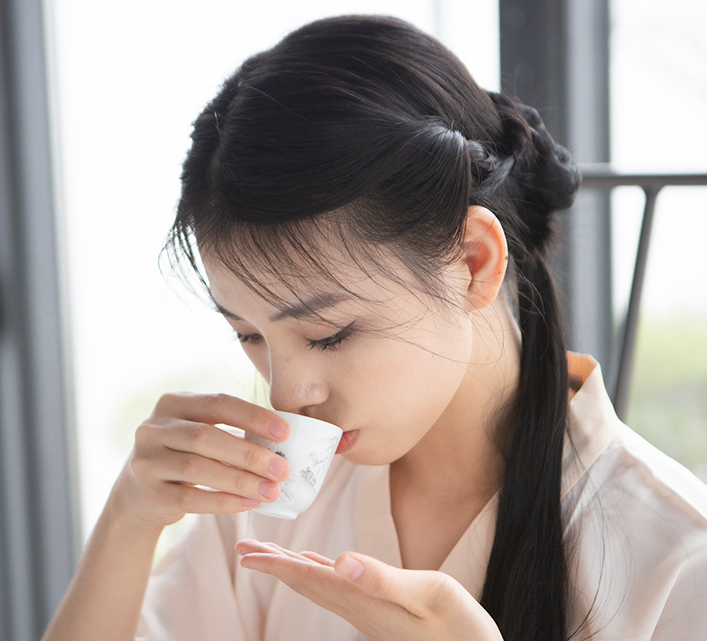
6. Appreciation: As the aroma permeates the air, participants appreciate the color, fragrance, and taste of the tea, engaging in conversations and enjoying the moment.
Essence of the Ceremony

Beyond the technicalities lies the essence of the Gongfu Tea Ceremony – a harmonious blend of mindfulness, connection, and appreciation. It embodies the virtues of patience, respect, and an appreciation for the finer details in life. The ceremony invites participants to slow down, savor the present moment, and cherish the company of those sharing the experience.

Conclusion

The Gongfu Tea Ceremony is a treasure trove of tradition, skill, and cultural richness. Its elegance lies not just in the preparation of tea but in the shared experience it fosters among participants. As the fragrance of tea fills the air, it serves as a reminder to embrace simplicity, cultivate mindfulness, and cherish moments of togetherness.

In a world where time often rushes by, the Gongfu Tea Ceremony stands as a testament to the beauty of unhurried moments and the profound depth found in a simple cup of tea.
SHARE THIS BLOG

Latest Blogs

Lifestyle

Could You Benefit From Oolong Tea?

This tea plant is legendary for boosting your health today, you’ll learn the t benefits you’ll reap from drinking Oolong tea as part of your regular diet.

Latest Blogs

Tea 101

Most Popular Questions About Chinese Tea

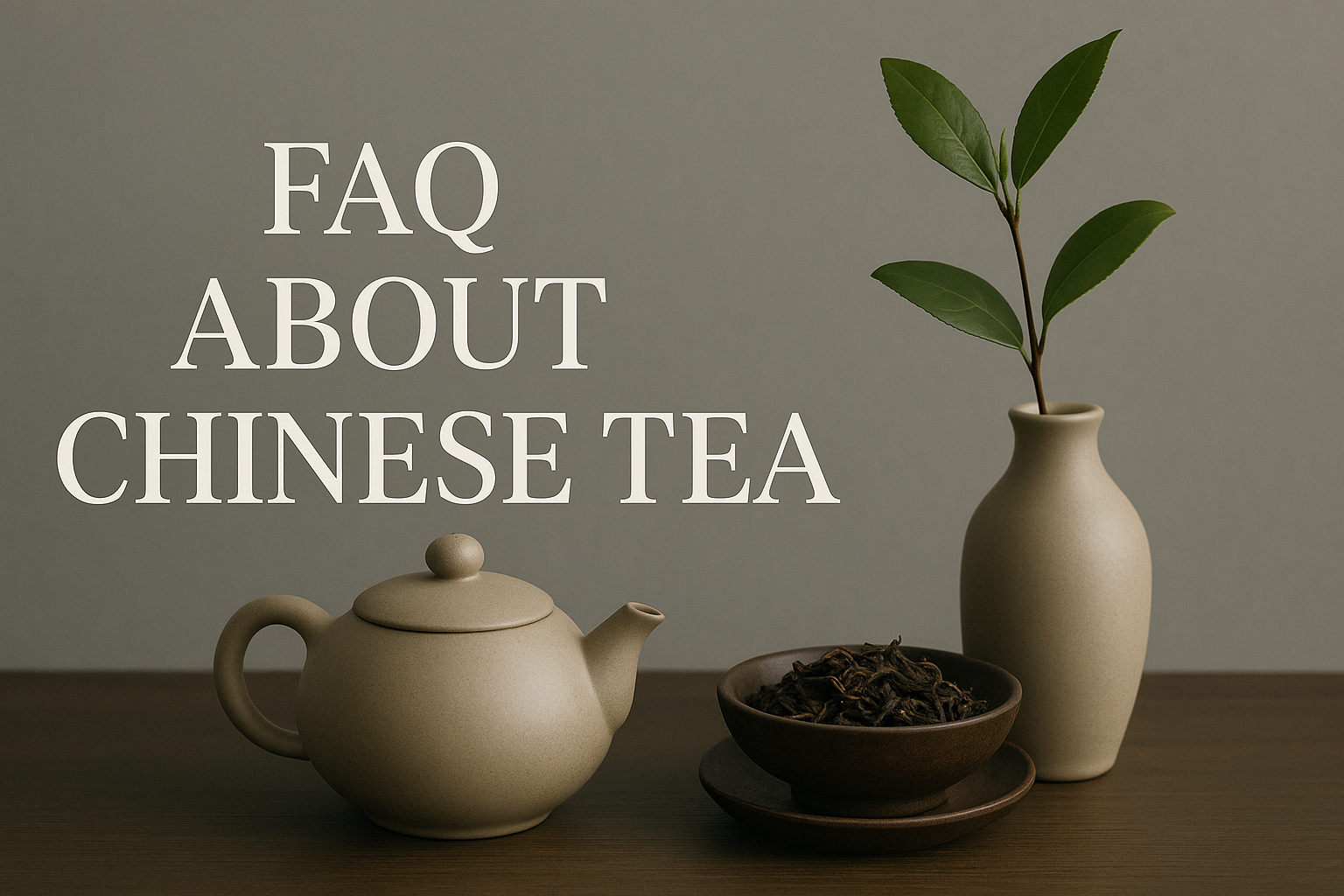
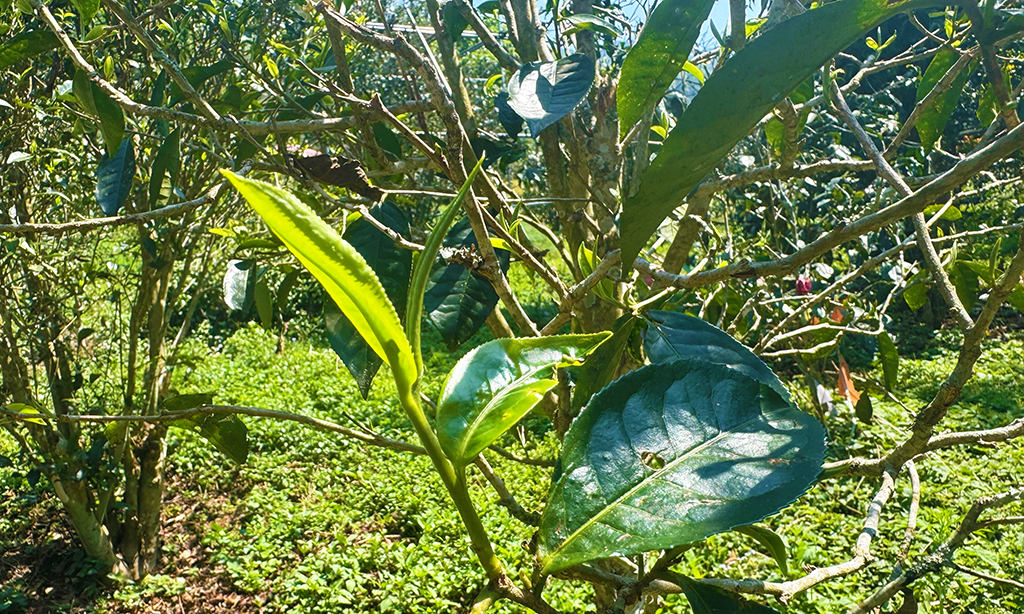
Chinese tea has thousands of years of history and remains one of the world’s most cherished beverages. At Veterans Park in Redondo Beach, we often meet people who are curious about tea — how to brew it, how to choose it, and how it affects the body. Here are the most popular questions people ask us, along with clear answers to help you enjoy Chinese tea with confidence. 1. What are the main types of Chinese tea? Chinese tea is traditionally categorized by the level of oxidation and processing method. The six main types are: China also has specialty and scented teas such as Jasmine tea, Liu Bao, and Dark Tea (黑茶). 2. What is the difference between Raw Pu-erh and Ripe Pu-erh? Raw Pu-erh (Sheng) Ripe Pu-erh (Shou) 3. Which Chinese teas are the healthiest? All true teas come from the same plant (Camellia sinensis) and offer antioxidants, minerals, and calming energy. Different teas support different wellness needs: The “healthiest” tea is the one that aligns with your body’s needs, your daily rhythm, and how it makes you feel. 4. How do you properly brew Chinese tea? Brewing depends on tea type, but the Gongfu tea method gives the best results: 5. How do you store Chinese tea? General rules: 6. Why is Chinese tea so expensive? Real Chinese tea is labor-intensive and often handmade. Price reflects: High-end tea is similar to fine wine—rare, handcrafted, and deeply cultural. 7. What is the meaning of Gongfu Tea? Gongfu (工夫) Tea means “tea made with skill and effort.” It is a traditional Chinese brewing method that emphasizes: It is not only a brewing technique but also a way to slow down and enjoy life. 8. What equipment do I need for Chinese tea? Essential tools: Optional but enjoyable: 9. How can I choose a high-quality tea? Look for: 10. What is the history and culture behind Chinese tea? Chinese tea culture spans over 4,000 years: Tea is a symbol of harmony, respect, purity, and peace. 11. Is loose leaf tea better than tea bags? Generally, yes. Loose leaf tea contains whole leaves with full flavor, aroma, and nutrients.Tea bags often contain broken fannings or dust—lower quality with fewer layers of flavor. Loose leaf also allows multiple re-steeps and a more authentic experience. 12. How many times can you re-steep tea? Depends on tea type and quality: High-quality tea lasts many more infusions than low-grade tea. 13. How do you tell if a tea is organic or clean? Key indicators: In China, many of the cleanest teas come from high mountains where chemical use is minimal or unnecessary. 14. Is Chinese tea caffeinated? Yes, all real tea from Camellia sinensis contains caffeine, but: Ripe Pu-erh and aged teas often feel gentler. 15. What are ancient tree teas? Ancient tree (古树) teas come from tea trees that are often: Flavors are more complex, smooth, and energetically powerful. 16. Where do your teas come from? Our teas come from the mountains and villages of China our founder Jack Jiao personally visit—Yunnan, Fujian, Zhejiang, Guangdong, and more. We source directly from farmers, tea makers, and ancient tea tree regions to ensure authenticity, freshness, and purity. 17. What is your favorite tea? My favorite tea depends on the moment. In the morning, I enjoy Raw Pu-erh or Oolong for energy and clarity. In the evening, I prefer Ripe Pu-erh or aged White tea for calmness and grounding. Tea matches our mood, season, and life pace. Whether you are new to Chinese tea or already a tea lover, the beauty of tea is that it grows with you. If you would like to experience these teas in person, join our tea tasting at Veterans Park for your next tea sessions — where tea tasting becomes friend making.

Lifestyle

Could You Benefit From Oolong Tea?

This tea plant is legendary for boosting your health today, you’ll learn the t benefits you’ll reap from drinking Oolong tea as part of your regular diet.

UNLOCK 10% OFF

    Welcome to Hence Tea

    Please check your email for the 10% OFF discount code.