
Benefits of Drinking Tea

Everyone knows that tea is good for you but many are unaware of the reasons why.

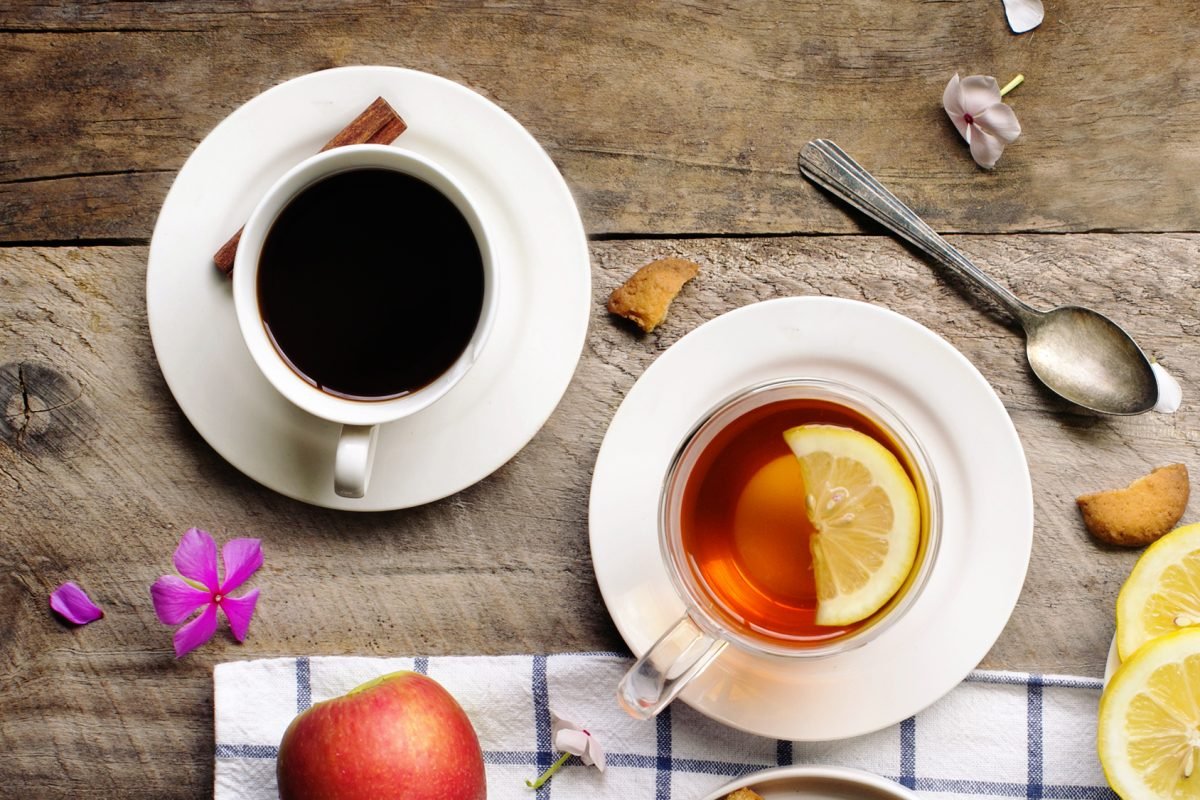
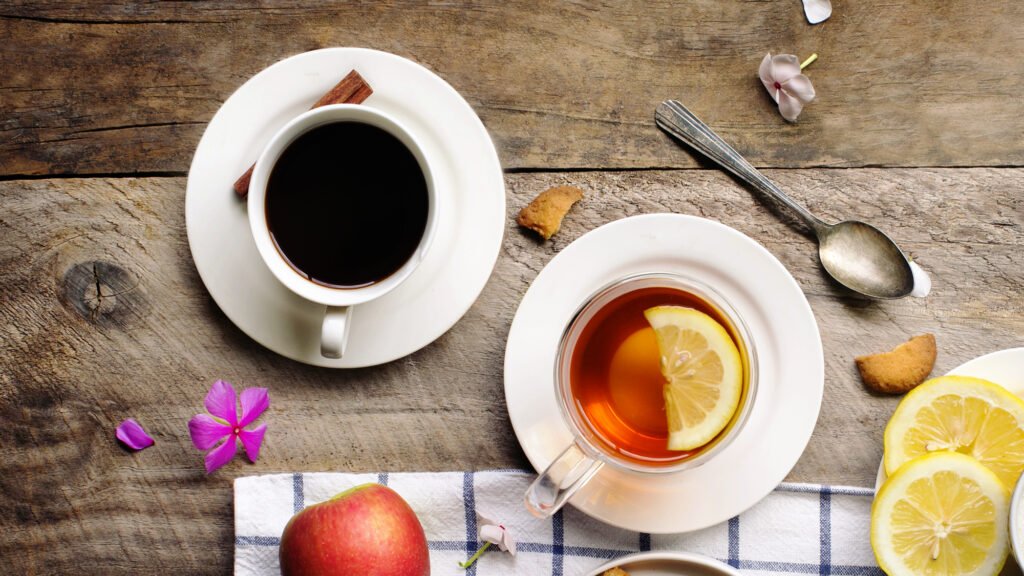
Overhead view of lemon tea and black coffee; tea or coffee break with snack food and drink table top image.

Everyone knows that tea is good for you but many are unaware of the reasons why. To breakdown it down, tea contains:

Antioxidants which help prevent damage to our bodies by inhibiting oxidation processes.

Less caffeine than coffee which gives you the energy buzz you might seek but without the negative effects to your nervous system (anxiety, shakes etc…) caused by higher concentrations of caffeine.
Furthermore, research has shown that drinking tea:

Lowers your chance of having heart attacks and strokes. Drinking 1 to 3 cups of tea a day has been proven to reduce your chances of having a heart attack by 20% and a stroke by 35%.

Lowers your level of cholesterol. LDL cholesterol is the “bad” cholesterol that builds up on the walls of our blood vessels. Studies have shown that drinking tea helps to lower the levels of LDL cholesterol in your body. 

Protects your bones. Some kinds of teas have higher concentrations of calcium than milk. 

Protects your teeth. Studies have shown that tea changes the pH of your mouth when you drink it which can help prevent cavities. In general, drinking tea leads to less tooth erosion than other beverages (excluding water).

Improves the immune system. Studies have shown that a component in tea helps the body fight off bacteria, infections and other invaders. 

Calms the digestive system. Many strains of herbal teas have been shown to be beneficial for those who suffer from digestive problems. Similarly, others have been proven to be effective for curing everyday maladies like nausea.

Helps prevent cancer. Some teas have extremely potent anticancer properties.

Reduces the risk of neurological disorders such as Alzheimers and Parkinson’s. It has been documented that drinking green tea is associated with a lower risk of dementia in people who are genetically predisposed to the disorder.

Tea has captivated hearts and audiences around the world, including some individuals of which you probably are familiar with. Notable figures who have revealed themselves to be avid tea drinkers include Barack Obama, Vivienne Tam, Angelina Jolie, Amy Winehouse, and Elvis Presley.

*Although we try our best to cite information from reputable sources, we strongly advise you to fact check the information you read in our blog posts to ensure that there are no components that you have known allergies/adverse reactions to.
SHARE THIS BLOG

Latest Blogs

Lifestyle

Could You Benefit From Oolong Tea?

This tea plant is legendary for boosting your health today, you’ll learn the t benefits you’ll reap from drinking Oolong tea as part of your regular diet.

Latest Blogs

Tea 101

Most Popular Questions About Chinese Tea

Chinese tea has thousands of years of history and remains one of the world’s most cherished beverages. At Veterans Park in Redondo Beach, we often meet people who are curious about tea — how to brew it, how to choose it, and how it affects the body. Here are the most popular questions people ask us, along with clear answers to help you enjoy Chinese tea with confidence. 1. What are the main types of Chinese tea? Chinese tea is traditionally categorized by the level of oxidation and processing method. The six main types are: China also has specialty and scented teas such as Jasmine tea, Liu Bao, and Dark Tea (黑茶). 2. What is the difference between Raw Pu-erh and Ripe Pu-erh? Raw Pu-erh (Sheng) Ripe Pu-erh (Shou) 3. Which Chinese teas are the healthiest? All true teas come from the same plant (Camellia sinensis) and offer antioxidants, minerals, and calming energy. Different teas support different wellness needs: The “healthiest” tea is the one that aligns with your body’s needs, your daily rhythm, and how it makes you feel. 4. How do you properly brew Chinese tea? Brewing depends on tea type, but the Gongfu tea method gives the best results: 5. How do you store Chinese tea? General rules: 6. Why is Chinese tea so expensive? Real Chinese tea is labor-intensive and often handmade. Price reflects: High-end tea is similar to fine wine—rare, handcrafted, and deeply cultural. 7. What is the meaning of Gongfu Tea? Gongfu (工夫) Tea means “tea made with skill and effort.” It is a traditional Chinese brewing method that emphasizes: It is not only a brewing technique but also a way to slow down and enjoy life. 8. What equipment do I need for Chinese tea? Essential tools: Optional but enjoyable: 9. How can I choose a high-quality tea? Look for: 10. What is the history and culture behind Chinese tea? Chinese tea culture spans over 4,000 years: Tea is a symbol of harmony, respect, purity, and peace. 11. Is loose leaf tea better than tea bags? Generally, yes. Loose leaf tea contains whole leaves with full flavor, aroma, and nutrients.Tea bags often contain broken fannings or dust—lower quality with fewer layers of flavor. Loose leaf also allows multiple re-steeps and a more authentic experience. 12. How many times can you re-steep tea? Depends on tea type and quality: High-quality tea lasts many more infusions than low-grade tea. 13. How do you tell if a tea is organic or clean? Key indicators: In China, many of the cleanest teas come from high mountains where chemical use is minimal or unnecessary. 14. Is Chinese tea caffeinated? Yes, all real tea from Camellia sinensis contains caffeine, but: Ripe Pu-erh and aged teas often feel gentler. 15. What are ancient tree teas? Ancient tree (古树) teas come from tea trees that are often: Flavors are more complex, smooth, and energetically powerful. 16. Where do your teas come from? Our teas come from the mountains and villages of China our founder Jack Jiao personally visit—Yunnan, Fujian, Zhejiang, Guangdong, and more. We source directly from farmers, tea makers, and ancient tea tree regions to ensure authenticity, freshness, and purity. 17. What is your favorite tea? My favorite tea depends on the moment. In the morning, I enjoy Raw Pu-erh or Oolong for energy and clarity. In the evening, I prefer Ripe Pu-erh or aged White tea for calmness and grounding. Tea matches our mood, season, and life pace. Whether you are new to Chinese tea or already a tea lover, the beauty of tea is that it grows with you. If you would like to experience these teas in person, join our tea tasting at Veterans Park for your next tea sessions — where tea tasting becomes friend making.

Lifestyle

Could You Benefit From Oolong Tea?

This tea plant is legendary for boosting your health today, you’ll learn the t benefits you’ll reap from drinking Oolong tea as part of your regular diet.

UNLOCK 10% OFF

    Welcome to Hence Tea

    Please check your email for the 10% OFF discount code.