

A Journey to Inner Harmony – Tea, Qi, and Taoist Philosophy

This drink, steeped in history, embodies the essence of Qi and the principles of Taoist thought, offering a path to tranquility and harmony.

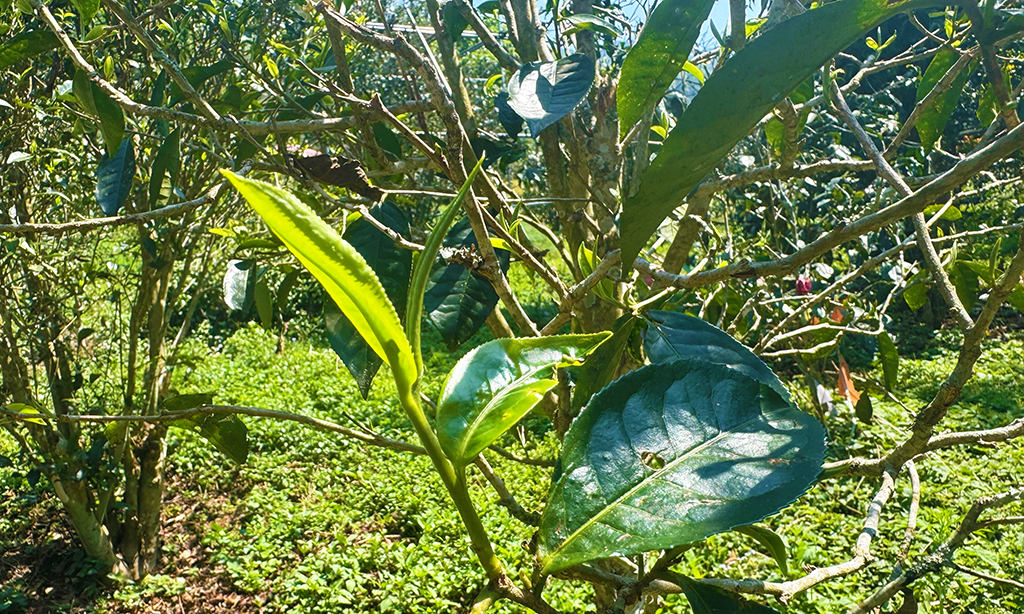
IMG_9415ps

In the heart of Eastern traditions, the humble tea leaf has long been celebrated not only for its refreshing taste but for its profound connection to the ancient philosophy of Taoism. This drink, steeped in history, embodies the essence of Qi and the principles of Taoist thought, offering a path to tranquility and harmony.

The Essence of Qi

Qi (pronounced “chee”) is a central concept in Chinese culture, referring to the vital life force that flows through all living things. In Taoist philosophy, Qi is the energy that sustains life and links the physical body with the spirit. The cultivation of Qi is believed to enhance health, balance emotions, and elevate spiritual awareness.

Tea, especially traditional Chinese teas like Pu-erh, Longjing, and Tieguanyin, is often revered for its ability to harmonize and enhance the flow of Qi within the body. The process of brewing and drinking tea becomes a meditative practice, aligning with the rhythm of nature and the flow of Qi.

Taoist Philosophy and Tea

Taoism, founded by the ancient sage Laozi, is a philosophy that emphasizes living in harmony with the Tao (道), or the Way. The Tao is the fundamental principle that is the source and pattern of the universe. Taoist teachings encourage simplicity, humility, and compassion, guiding adherents to live in accordance with the natural order.

In Taoist thought, tea is more than a beverage; it is a medium through which one can connect with the Tao. The preparation and consumption of tea are seen as rituals that reflect Taoist values:

1. Simplicity: Tea, in its purest form, embodies simplicity. The act of brewing tea requires minimal equipment and can be done with a few basic steps. This simplicity allows the tea drinker to focus on the present moment, embracing the here and now.

2. Harmony with Nature: The best teas are those that are grown in harmony with their natural environment. Taoist philosophy teaches that by aligning ourselves with the rhythms of nature, we can achieve a state of balance and well-being. Drinking tea grown in its natural habitat, without chemical interventions, brings us closer to this ideal.

3. Mindfulness and Meditation: The process of making tea is an exercise in mindfulness. Each step, from boiling water to steeping the leaves, requires attention and presence. This mindful practice can serve as a form of meditation, helping to quiet the mind and cultivate inner peace.

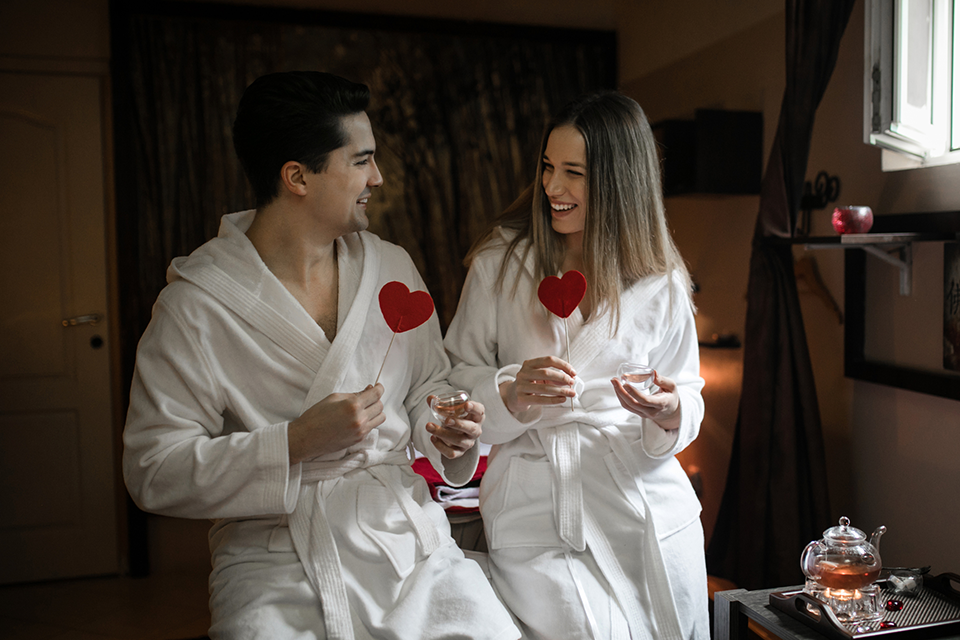
4. Connection and Community: Sharing tea with others is a way to foster connection and build community. The simple act of sitting down with friends to enjoy a cup of tea can create a space for meaningful conversation and deepening relationships, reflecting the Taoist ideal of living in harmony with others.

The Ritual of Tea Drinking

Incorporating tea into daily life as a ritual can be a powerful practice for cultivating Qi and embracing Taoist principles. Here are some steps to create a meaningful tea ritual:

1. Choose Quality Tea: Select high-quality, loose-leaf tea that resonates with you. Each type of tea has its unique properties and effects on Qi, so explore different varieties to find your preference.

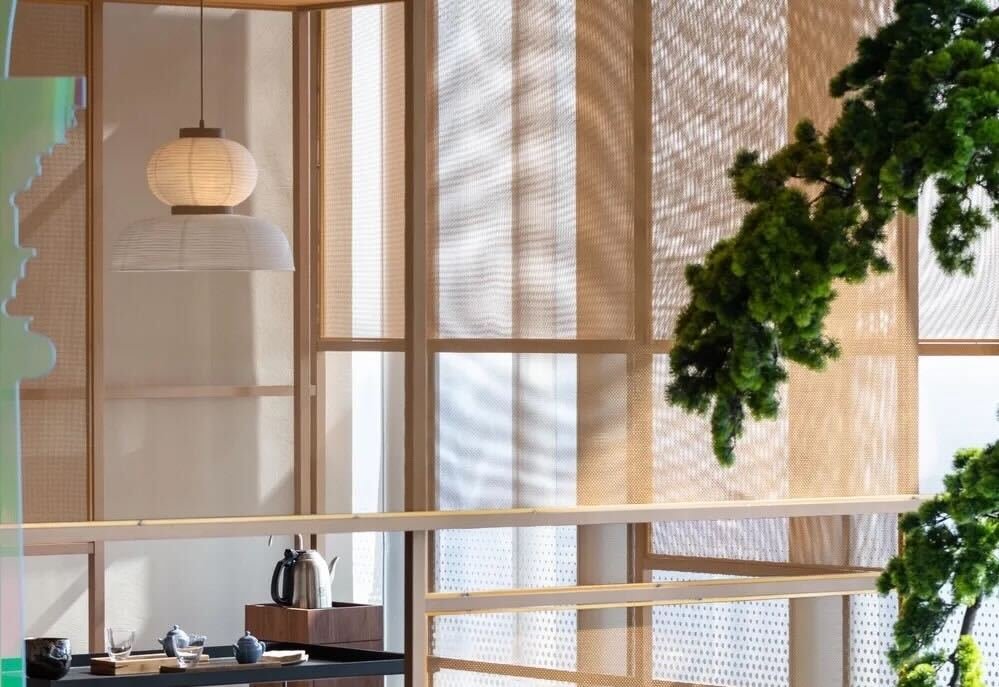
2. Create a Sacred Space: Designate a quiet, peaceful area for your tea ritual. This space should be free from distractions and filled with items that bring you joy and serenity.
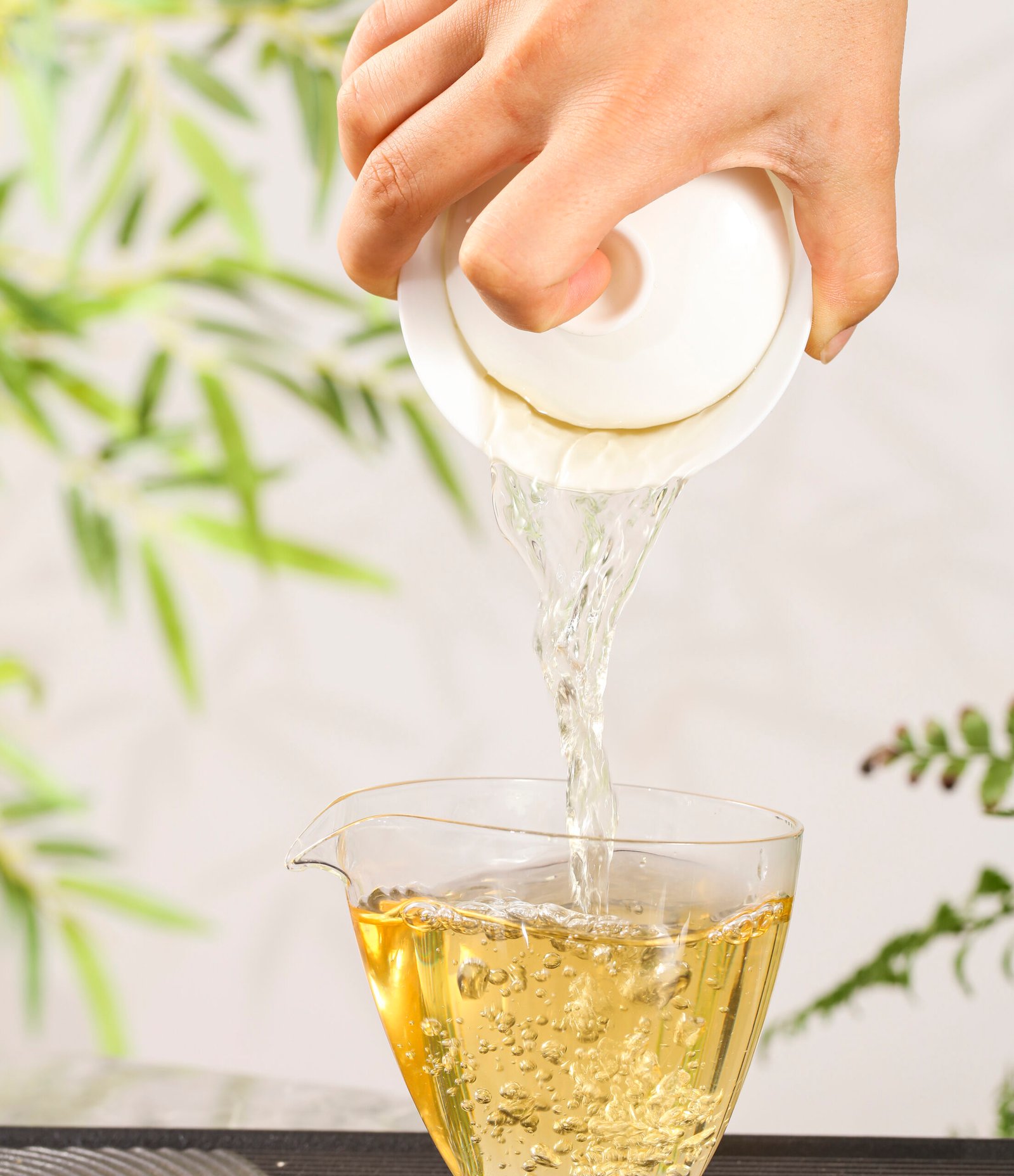
3. Practice Mindfulness: As you prepare your tea, focus on each step of the process. Notice the aroma of the leaves, the sound of the water boiling, and the color of the tea as it steeps. Let go of any distractions and immerse yourself fully in the experience.

4. Embrace the Moment: When your tea is ready, take a moment to appreciate it before taking your first sip. Feel the warmth of the cup in your hands and savor the flavor of the tea. Allow yourself to be present and enjoy the simple pleasure of the moment.

5. Reflect and Connect: Use this time to reflect on your day, your thoughts, and your feelings. If you are sharing tea with others, engage in meaningful conversation and listen deeply to each other.

Tea, Qi, and Taoist philosophy intertwine to create a practice that nurtures the body, mind, and spirit. By embracing the simplicity and mindfulness of tea drinking, we can cultivate inner harmony and connect with the deeper rhythms of life. Whether enjoyed alone or with friends, tea offers a gateway to experiencing the tranquility and balance that lies at the heart of Taoist thought. So, take a moment, brew a cup, and let the wisdom of the Tao flow through you.
SHARE THIS BLOG

Latest Blogs

Lifestyle

Could You Benefit From Oolong Tea?

This tea plant is legendary for boosting your health today, you’ll learn the t benefits you’ll reap from drinking Oolong tea as part of your regular diet.

Lifestyle

Connections Over a Cup of Tea

Our tea tasting events are designed to be a haven where backgrounds blur, and what remains is the shared experience of brewing, sipping, and appreciating the delicate flavors of fine Chinese tea.

Latest Blogs

Tea 101

Most Popular Questions About Chinese Tea

Chinese tea has thousands of years of history and remains one of the world’s most cherished beverages. At Veterans Park in Redondo Beach, we often meet people who are curious about tea — how to brew it, how to choose it, and how it affects the body. Here are the most popular questions people ask us, along with clear answers to help you enjoy Chinese tea with confidence. 1. What are the main types of Chinese tea? Chinese tea is traditionally categorized by the level of oxidation and processing method. The six main types are: China also has specialty and scented teas such as Jasmine tea, Liu Bao, and Dark Tea (黑茶). 2. What is the difference between Raw Pu-erh and Ripe Pu-erh? Raw Pu-erh (Sheng) Ripe Pu-erh (Shou) 3. Which Chinese teas are the healthiest? All true teas come from the same plant (Camellia sinensis) and offer antioxidants, minerals, and calming energy. Different teas support different wellness needs: The “healthiest” tea is the one that aligns with your body’s needs, your daily rhythm, and how it makes you feel. 4. How do you properly brew Chinese tea? Brewing depends on tea type, but the Gongfu tea method gives the best results: 5. How do you store Chinese tea? General rules: 6. Why is Chinese tea so expensive? Real Chinese tea is labor-intensive and often handmade. Price reflects: High-end tea is similar to fine wine—rare, handcrafted, and deeply cultural. 7. What is the meaning of Gongfu Tea? Gongfu (工夫) Tea means “tea made with skill and effort.” It is a traditional Chinese brewing method that emphasizes: It is not only a brewing technique but also a way to slow down and enjoy life. 8. What equipment do I need for Chinese tea? Essential tools: Optional but enjoyable: 9. How can I choose a high-quality tea? Look for: 10. What is the history and culture behind Chinese tea? Chinese tea culture spans over 4,000 years: Tea is a symbol of harmony, respect, purity, and peace. 11. Is loose leaf tea better than tea bags? Generally, yes. Loose leaf tea contains whole leaves with full flavor, aroma, and nutrients.Tea bags often contain broken fannings or dust—lower quality with fewer layers of flavor. Loose leaf also allows multiple re-steeps and a more authentic experience. 12. How many times can you re-steep tea? Depends on tea type and quality: High-quality tea lasts many more infusions than low-grade tea. 13. How do you tell if a tea is organic or clean? Key indicators: In China, many of the cleanest teas come from high mountains where chemical use is minimal or unnecessary. 14. Is Chinese tea caffeinated? Yes, all real tea from Camellia sinensis contains caffeine, but: Ripe Pu-erh and aged teas often feel gentler. 15. What are ancient tree teas? Ancient tree (古树) teas come from tea trees that are often: Flavors are more complex, smooth, and energetically powerful. 16. Where do your teas come from? Our teas come from the mountains and villages of China our founder Jack Jiao personally visit—Yunnan, Fujian, Zhejiang, Guangdong, and more. We source directly from farmers, tea makers, and ancient tea tree regions to ensure authenticity, freshness, and purity. 17. What is your favorite tea? My favorite tea depends on the moment. In the morning, I enjoy Raw Pu-erh or Oolong for energy and clarity. In the evening, I prefer Ripe Pu-erh or aged White tea for calmness and grounding. Tea matches our mood, season, and life pace. Whether you are new to Chinese tea or already a tea lover, the beauty of tea is that it grows with you. If you would like to experience these teas in person, join our tea tasting at Veterans Park for your next tea sessions — where tea tasting becomes friend making.

Lifestyle

Could You Benefit From Oolong Tea?

This tea plant is legendary for boosting your health today, you’ll learn the t benefits you’ll reap from drinking Oolong tea as part of your regular diet.

UNLOCK 10% OFF

    Welcome to Hence Tea

    Please check your email for the 10% OFF discount code.