

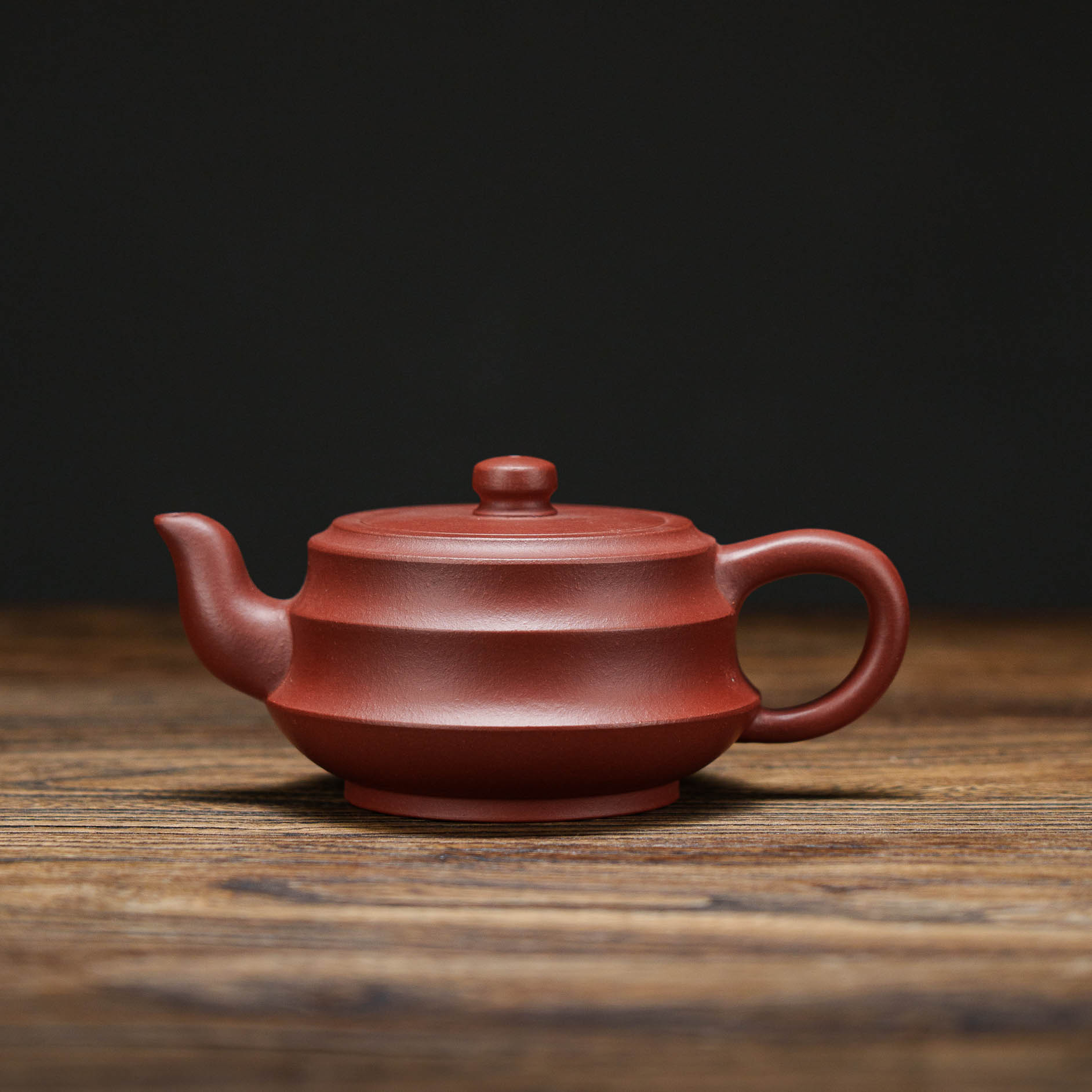
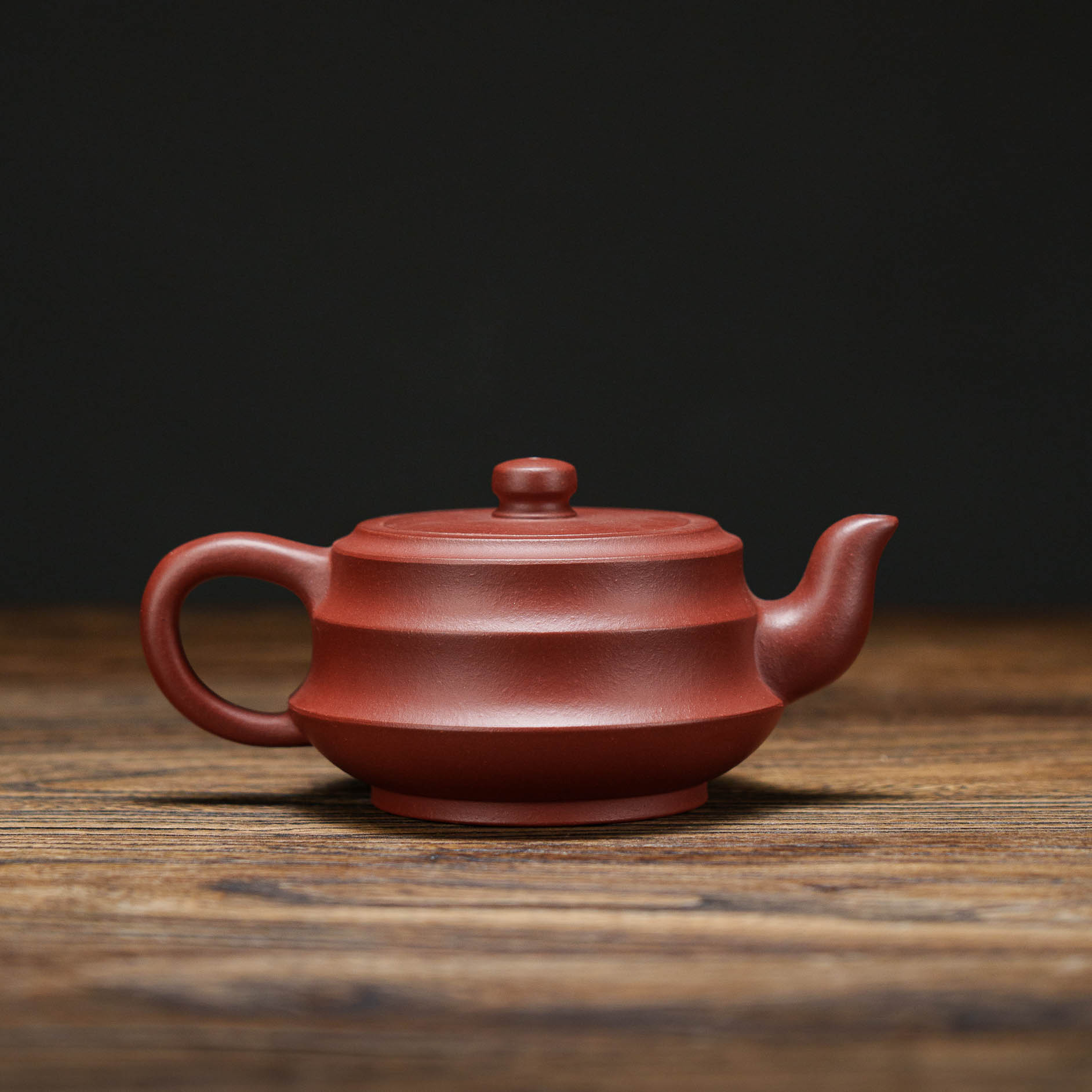
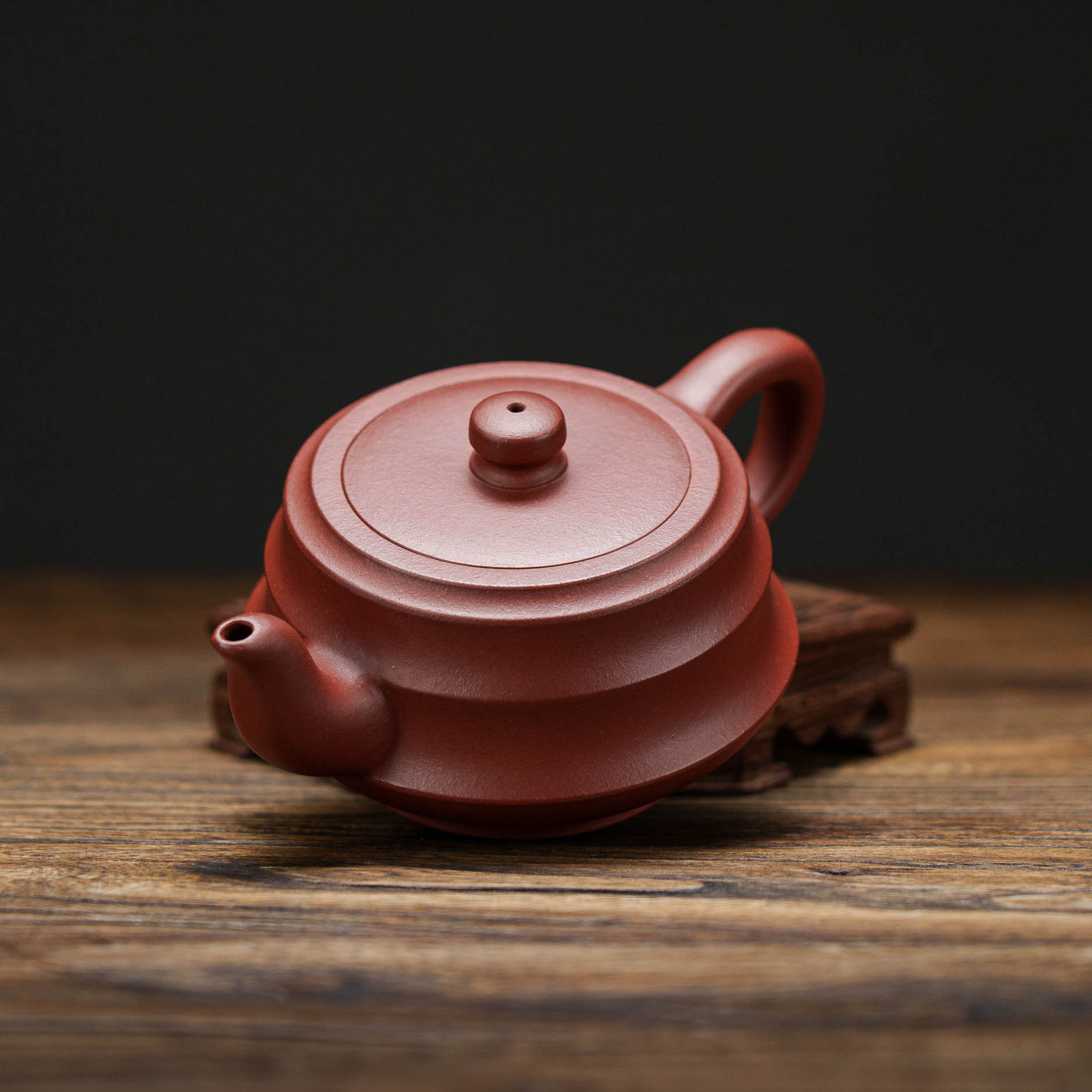
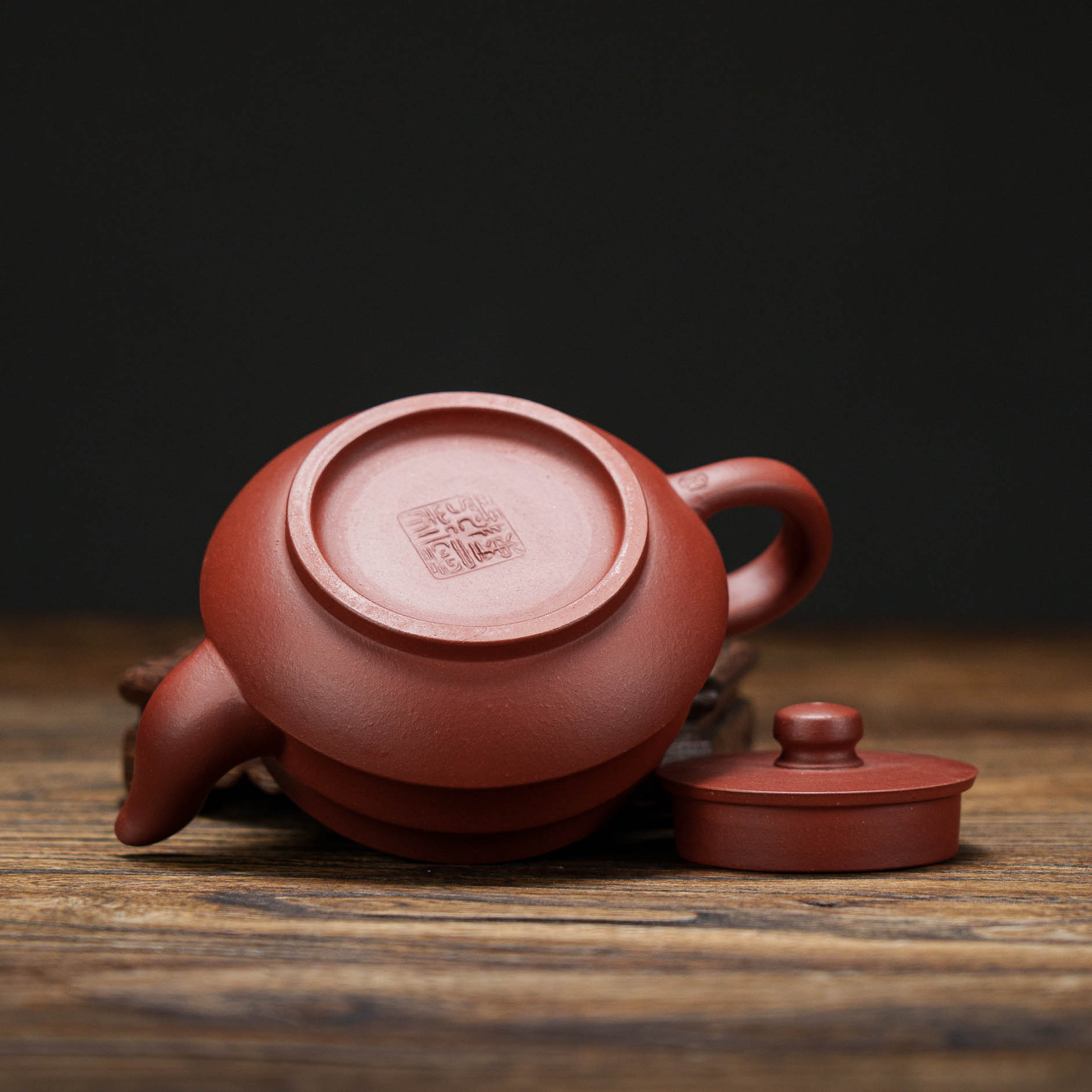
Zhu Yun Pot
竹韵壶
$375.00
Earn 10 points for every $1 spent until May 29
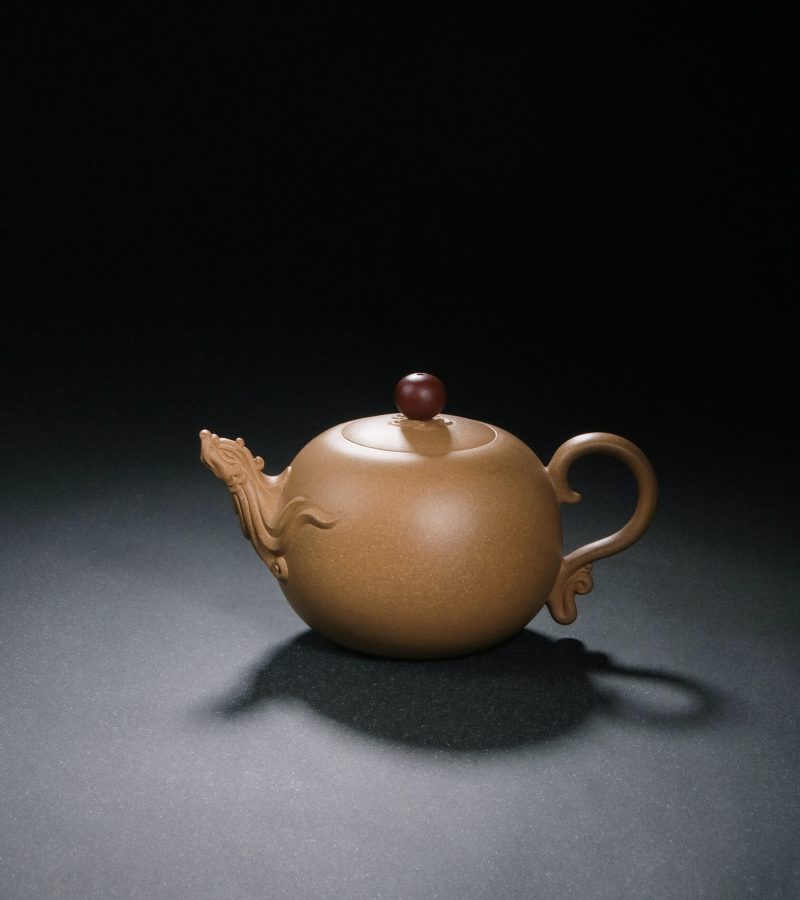
A smooth, rounded body meets the gentle interruption of bamboo, its spout, handle, and knob shaped like jointed culms, its surface touched here and there with carved leaves. For centuries, scholars and painters have turned to bamboo as an emblem of resilience and quiet integrity; this teapot borrows that same restrained poetry for the tea table.
7.4 fl oz

Chen Aiqin

Clear Clay
For first time use, cleanse with warm water.
For daily use, pour some hot water into the pot (from outside to inside) to warm and cleanse it before adding leaves.
Each pot should be used for one category of tea only (oolong, black or dark tea).
Do not put this Zisha teaware in a dishwasher; do not use detergent; simply rinse carefully.
In stock
Pair authentic tea with timeless teaware for your perfect cup.
We believe a perfect cup of tea takes more than an authentic leaf. It takes the right vessel—one that brings out the character of the tea and is crafted with the same respect for tradition, material, and origin.
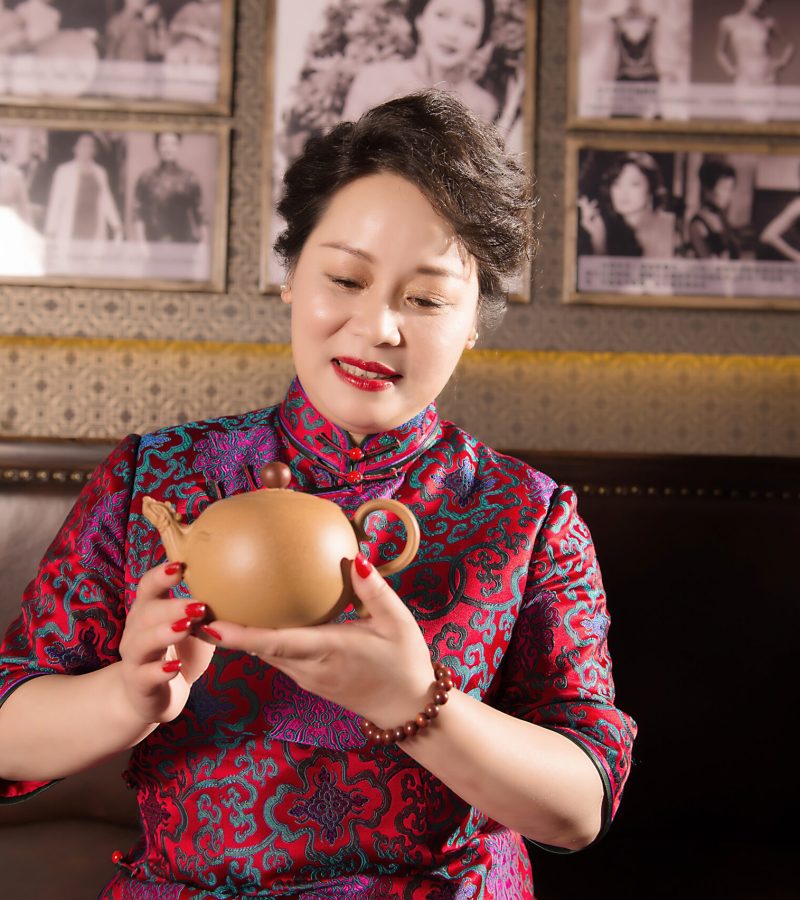
So we partnered with Tangyi, the storied Yixing studio led by Tang Chaoxia, twelfth-generation heir to the Tang family’s zisha lineage and a China Arts & Crafts Master. Twelve generations deep, the Tang name has been part of Yixing’s zisha story since the 1700s, and shaping purple clay by hand for more than a century, carried today by a living master still working the wheel herself.
That’s the tradition behind every pot we now carry. Unglazed, hand-shaped, and built the way gongfu tea has always demanded, so the leaf gets the vessel it deserves, and you get the cup you came for.

discover more
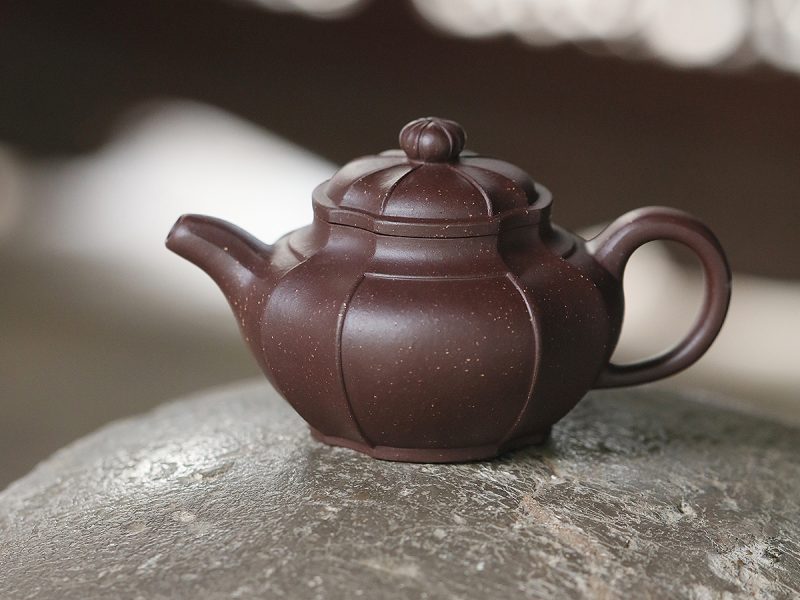
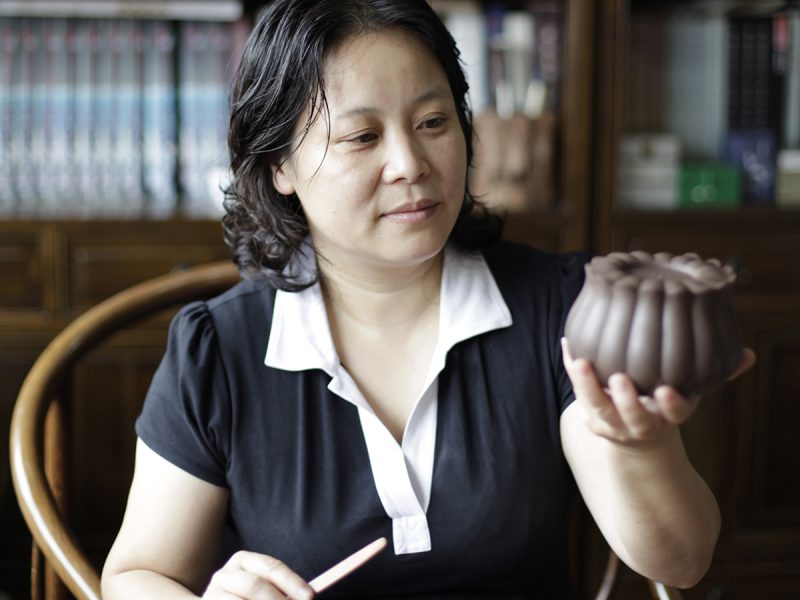
For thousands of years, tea has shaped daily life in China, moving from boiled tea under the Tang dynasty, to whisked tea in the Song, to steeped tea by the Ming and Qing. That last shift gave rise to the zisha hu, a small, unglazed purple clay teapot prized for coaxing the fullest flavor from loose leaves.
Nowhere is the craft more deeply rooted than in Yixing, often called China’s pottery capital. The clay itself, mined from the hills around the city, is fired unglazed, porous enough to season with tea over years of use yet dense enough to hold precise, sculptural shapes. Quality varies widely, judged by the maker’s skill, the clay’s provenance, and whether a pot is fully handmade or mold-pressed, but at its best, zisha remains one of China’s most enduring living crafts.
The Tang family’s documented history begins with Tang Zhongmian, a Qing dynasty scholar-official who passed the imperial examinations in 1793 and rose through provincial posts in Jiangsu and Shaanxi. In Yixing, he mingled with local literati and potters, helping popularize the custom of inscribing calligraphy directly onto teapots, a practice credited with pushing zisha into its golden age.
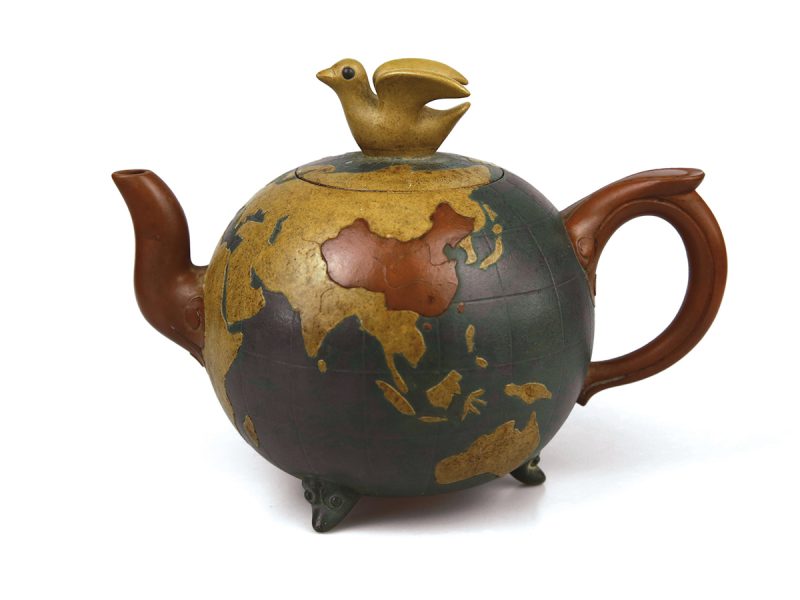
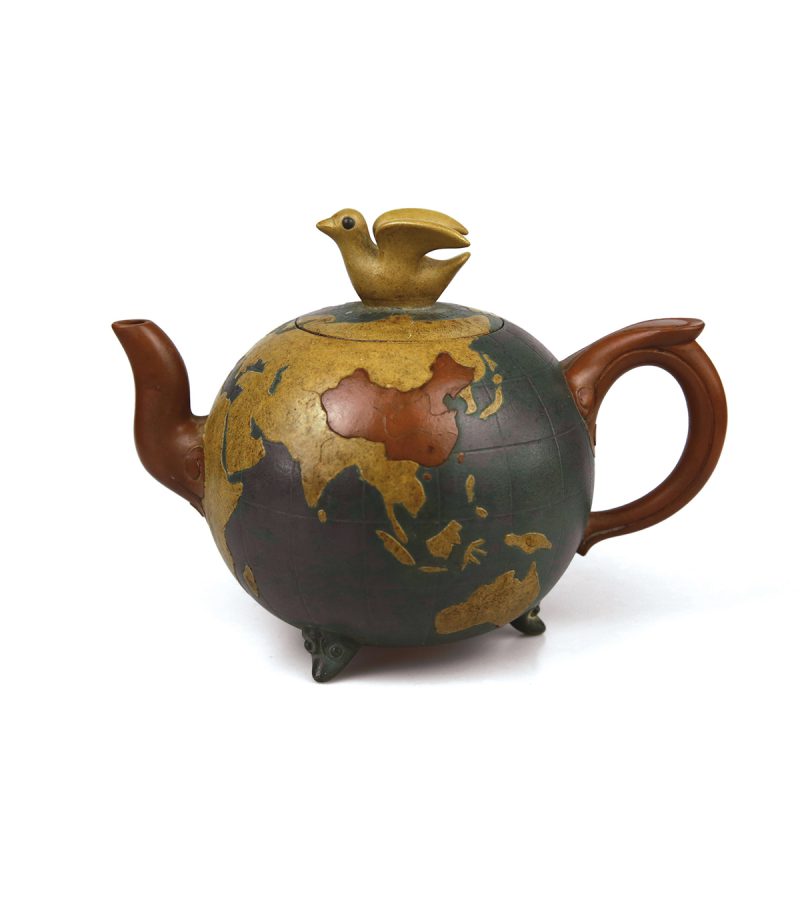
The clearer, hands-on lineage begins with Tang Zhuhe and his brother Tang Fengzhi, born into a potting family in Yixing’s Shushan area. Fengzhi became a leading Republican-era artisan, famed for patriotic works including a World Peace teapot, now held at the Tang Chaoxia Art Museum. Zhuhe helped found Yixing’s first two zisha factories. Their descendant Tang Yongliang continued the family’s floral tradition, passing the craft to his daughter, Tang Chaoxia, and now her son, Wei Jiahao, the thirteenth generation.
Tang Chaoxia, twelfth-generation heir to the Tang family’s zisha tradition, learned the craft simply by watching as a child, reportedly slipping into her elders’ seats by age eleven to quietly finish their unfinished pots. She began her professional career in 1986, working almost entirely by hand, and became known for refining the classic round-bodied teapot into a slimmer, more balanced silhouette.
Her discipline is legendary: she selects and processes her own clay, works ten-hour stretches at the wheel, and has smashed imperfect pots rather than let them leave her workshop. In December 2015, at a Panama-Pacific Exposition centennial event in Las Vegas, her Crimson Phoenix and Bee-and-Chrysanthemum teapots won gold and special gold awards, and she lectured to an audience of over six hundred. Four decades in, her work still draws collectors worldwide.
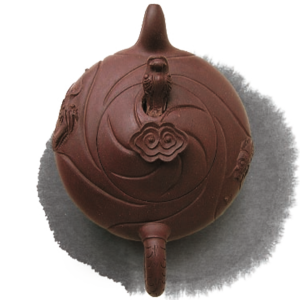
The Tang Family Zisha Legacy
Trace the Tang family's craft from imperial-era origins to Tang Chaoxia's award-winning Zisha pots.
Reviews & ratings
You might also like
Related products
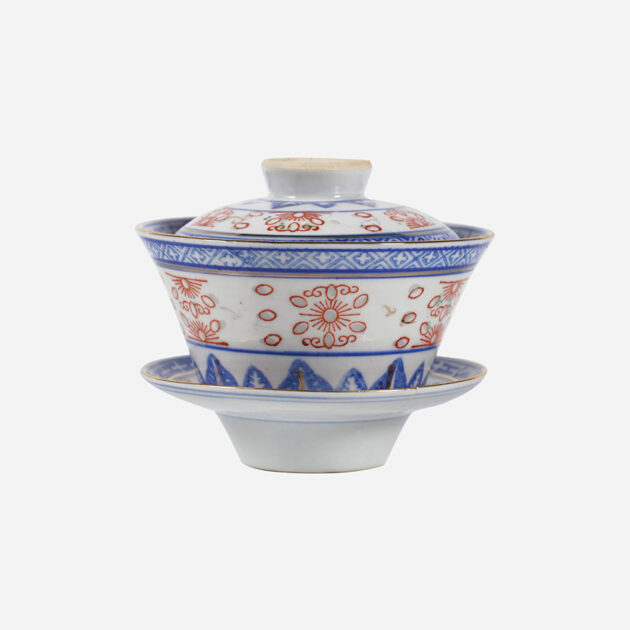
Gaiwan, Hence No. 3
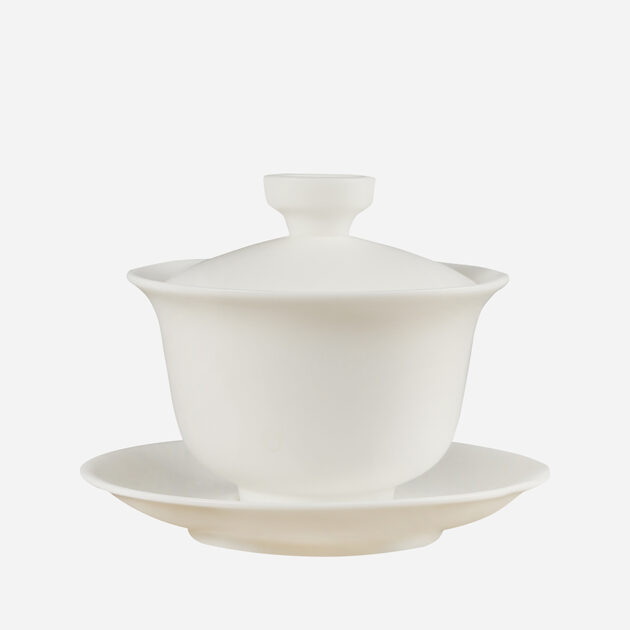
Rated 5.00 out of 5$78.98 Add to cartGaiwan, Hence No. 1
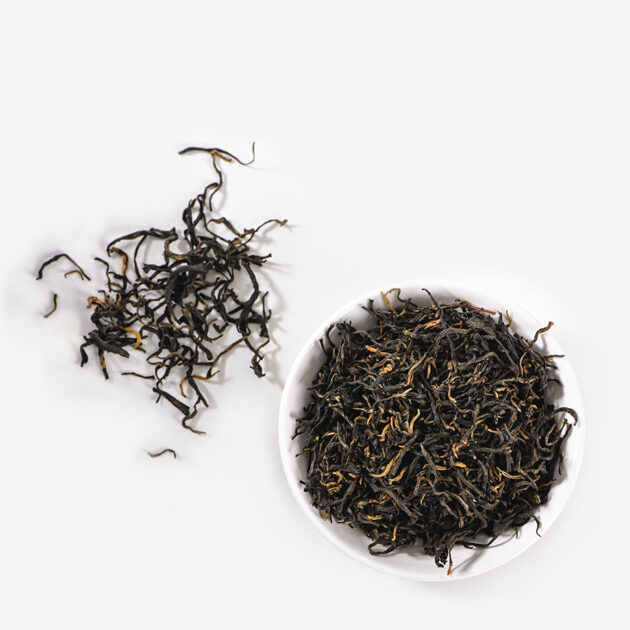
Rated 5.00 out of 5$58.95 Add to cartYunnan Gold Tip
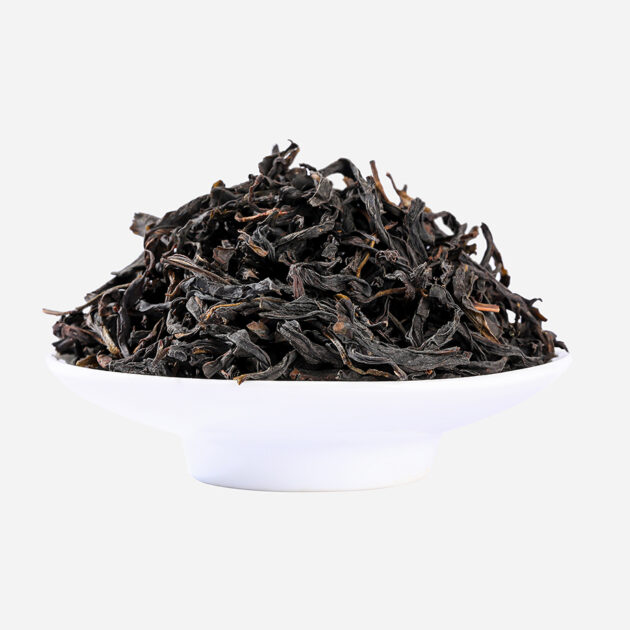
Rated 4.67 out of 5From: $16.95 Select options This product has multiple variants. The options may be chosen on the product pagePhoenix Dan Cong – Ya Shi Xiang
Rated 4.75 out of 5From: $20.95 Select options This product has multiple variants. The options may be chosen on the product page
Reviews
There are no reviews yet