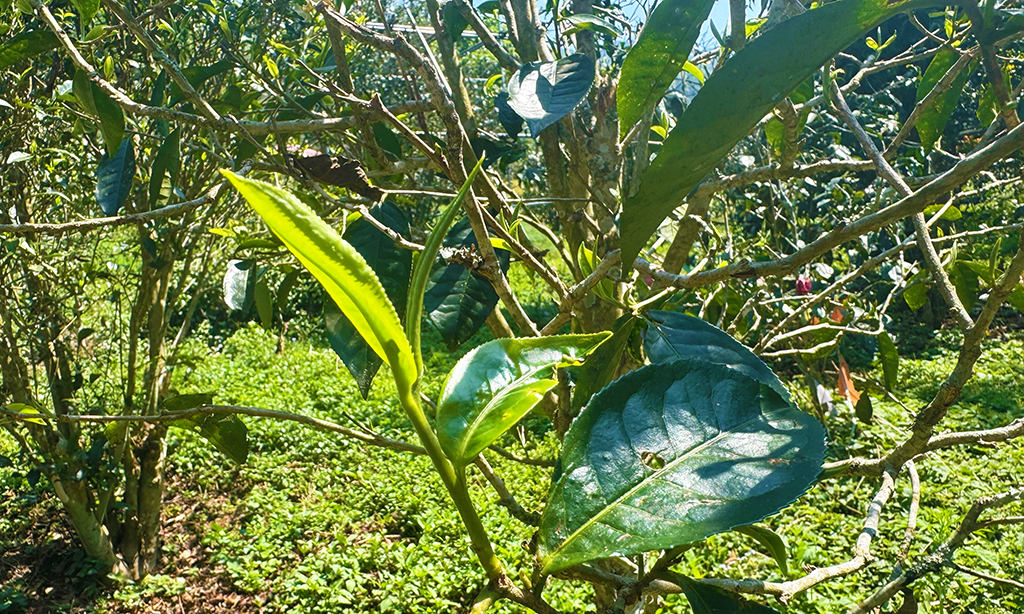

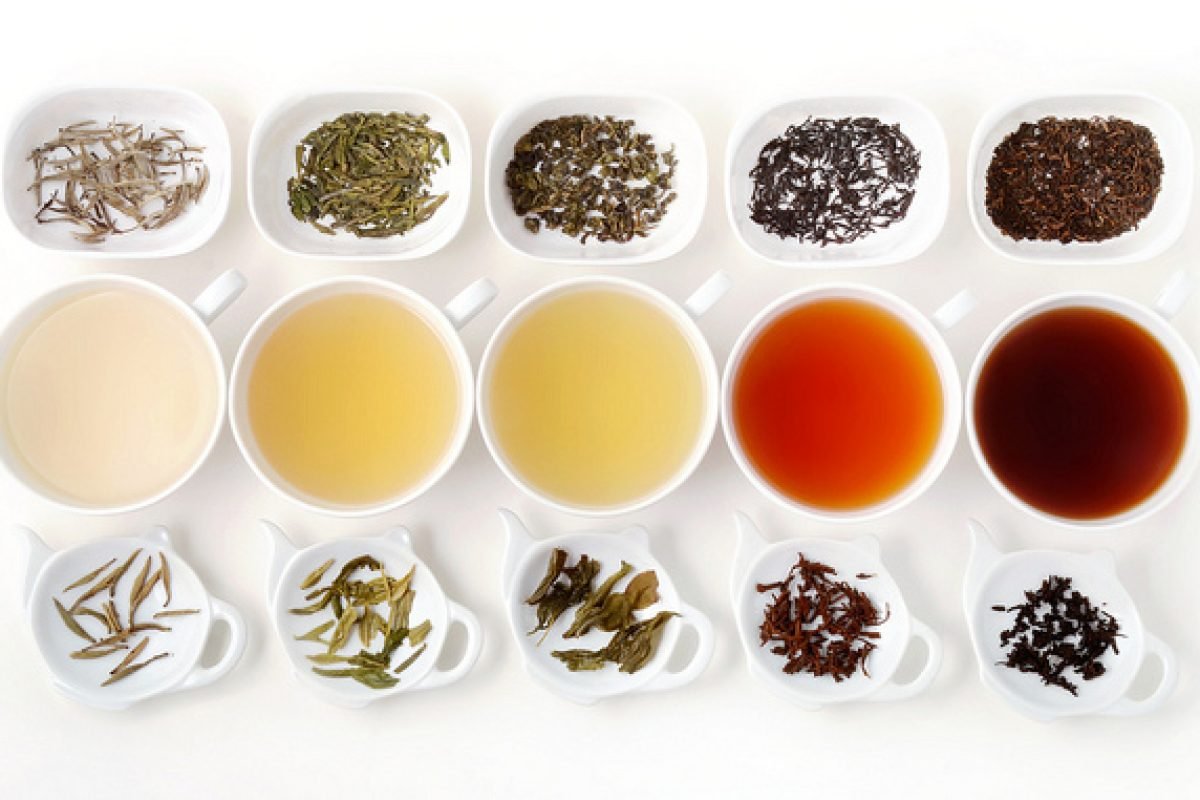
Did you know that all traditional teas, including black, green, white, and oolong, come from the same plant? It’s true! This plant that holds great healing power is the Camellia sinensis plant, also known as the “tea plant.” Now, you might be wondering if all traditional teas come from the same leaf, what makes them different from each other? The answer is in the oxidation process that each tea goes through. Oxidation occurs as a tea leaf is exposed to oxygen and a chemical reaction takes place causing the leaves to dry, darken, gain flavor and strengthen. After being harvested, tea leaves are plucked which begins this process as oxygen is allowed entry and interacts with the leaf’s enzymes. The longer a tea is oxidized, the darker it will be.
Oxidation levels of the four traditional teas:
Black Tea: Fully oxidized giving it its dark color.
Oolong Tea: Partially oxidized somewhere in between the degree to which black and green tea are. They range from 10 to 80% oxidation.
White Tea: Very minimal oxidation giving it its light flavor.
Green Tea: Not oxidized.

Now, you might be wondering how these teas differ in composition if they all come from the same plant. Here is some more in depth information.
Most people believe that black tea contains the most caffeine out of the four traditional teas; however, this is not necessarily true. Depending on the amount of tea that is steeped, all teas can potentially contain the same amount of caffeine. For instance, if tea leaves are grounded very small, there will be more contents to be brewed. On the other hand, with green tea, often, the leaf alone is just used to do the steeping, so that cup of tea would have a lower caffeine content due to having less mass.
Another important aspect of a tea’s composition would be its antioxidant content. All teas contain antioxidants but to differing degrees. The general rule is: the more processed a tea is, the less antioxidants it will contain. To further explain, white and green tea contain a significantly higher amount of antioxidants, like epigallocatechin, than oolong and black teas. Epigallocatechin is a natural antioxidant that assists the body in fighting off free radicals and preventing cell damage, among other benefits.
Depending on what temperature of water you are using in your tea, different components of the tea leaves will emerge. The less processed a tea is, the more delicate to heat it will be, and the possibility of the leaves burning increases due to their sensitivity. The hotter the water is that you use in your tea, the more dry and bitter elements will emerge, like caffeine. With a more modest temperature, depending on the processing level of your tea, the easier it will be for you to taste the more complex and gentle flavors.


Let’s examine the most prevalent benefits in the four traditional teas and how the composition of each type of tea aids in creating these benefits.
As mentioned previously, due to the complete oxidation of black tea, its antioxidant content is decreased. This does not mean that it has lost all of its benefits. Black tea is known for promoting heart health and protecting the body from free radicals that could cause oxidative stress brought on by an imbalance of free radicals and antioxidants.
Oolong tea’s oxidation varies, so its antioxidant levels vary as well. However, this type of tea also contains many health benefits. Like black tea, oolong tea promotes heart health and prevents the body from experiencing oxidative stress with its presence of antioxidants like, theaflavins and thearubigins. Also, this drink has the potential to support brain health.
The minimal processing of white tea contributes to its increased levels of antioxidants. Like black and oolong tea, white tea also prevents oxidative stress (possibly to an even greater degree) and promotes brain health. When the body experiences inflammation white tea is effective in providing a remedy. Additionally, the tea’s presence of fluoride aids in dental health by strengthening and managing plaque bacteria in the mouth.
Finally, green tea promotes mental accuracy and awareness, along with the other teas, due to its caffeine content. In relation to black, oolong, and white tea, green tea also promotes heart and brain health. The proven benefits of green tea to assist in fasting is also very notable.
In the end, while the traditional teas differ, you really cannot go wrong with any type. No matter what tea you choose, your body will benefit as a result of it. What tea will you choose?