
Pros and Cons of Various Tea Packaging Methods

Over the years, various tea packaging methods have developed, and we are left to decide what method produces the best tea.

Pic-20.1_s

Over the years, various tea packaging methods have developed, and we are left to decide what method produces the best tea. In 2737 B.C.E., when Emperor Shen Nong discovered tea, leaves flew from a nearby tree into his pot of boiling water. Obviously, in his case, the tea was created directly from the leaf without any external help like a tea bag or strainer. So, how did the tea bag even come about?

According to tea mythology, the tea bag came to be when a New York tea merchant, named Thomas Sullivan, began to send tea to his customers in small silken bags in 1908. To his surprise, some of his customers assumed that these bags were to be used in the brewing process, instead of emptying the contents into a pot.

Prior to the tea bag, the tea infuser has been documented as early as in the 17th century. This method of tea making became very popular in Great Britain; however, in China, tea infusers were not used due to the different tea leaves. It could be considered that tea infusers were unnecessary in China as the leaves needed more room to expand, but in Great Britain the tea leaves produced were more fine and small. Because of the small sized leaves, people used infusers to prevent the leaves from being left over in the tea while drinking.
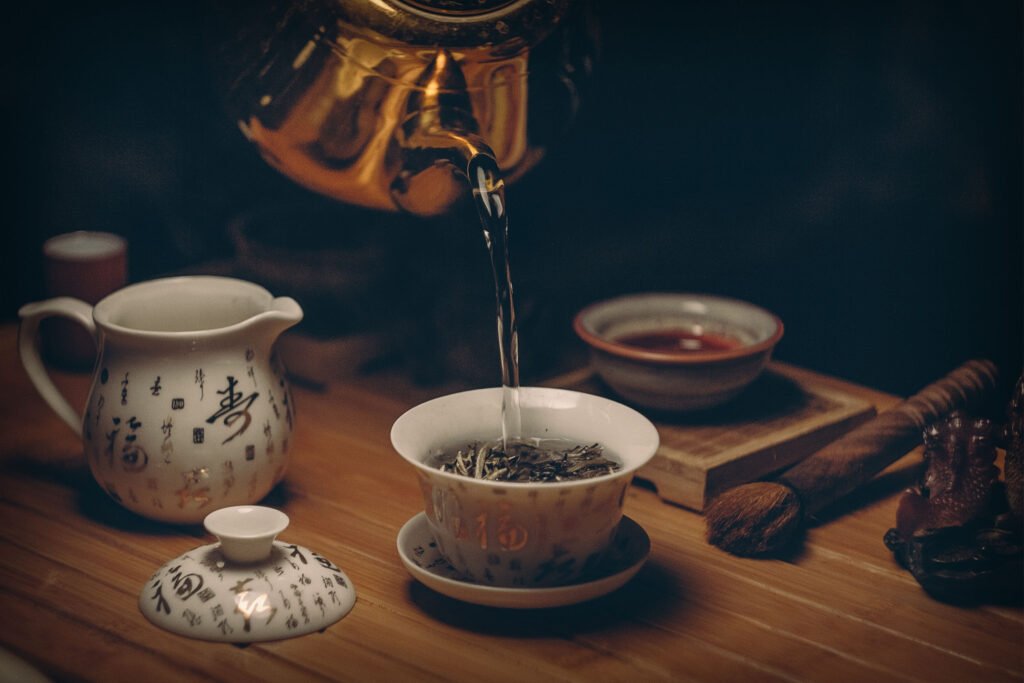
There are many other methods of tea making that have been discovered today, but focusing on the three methods of early tea making, we are forced to consider which, if any one, is the best method?

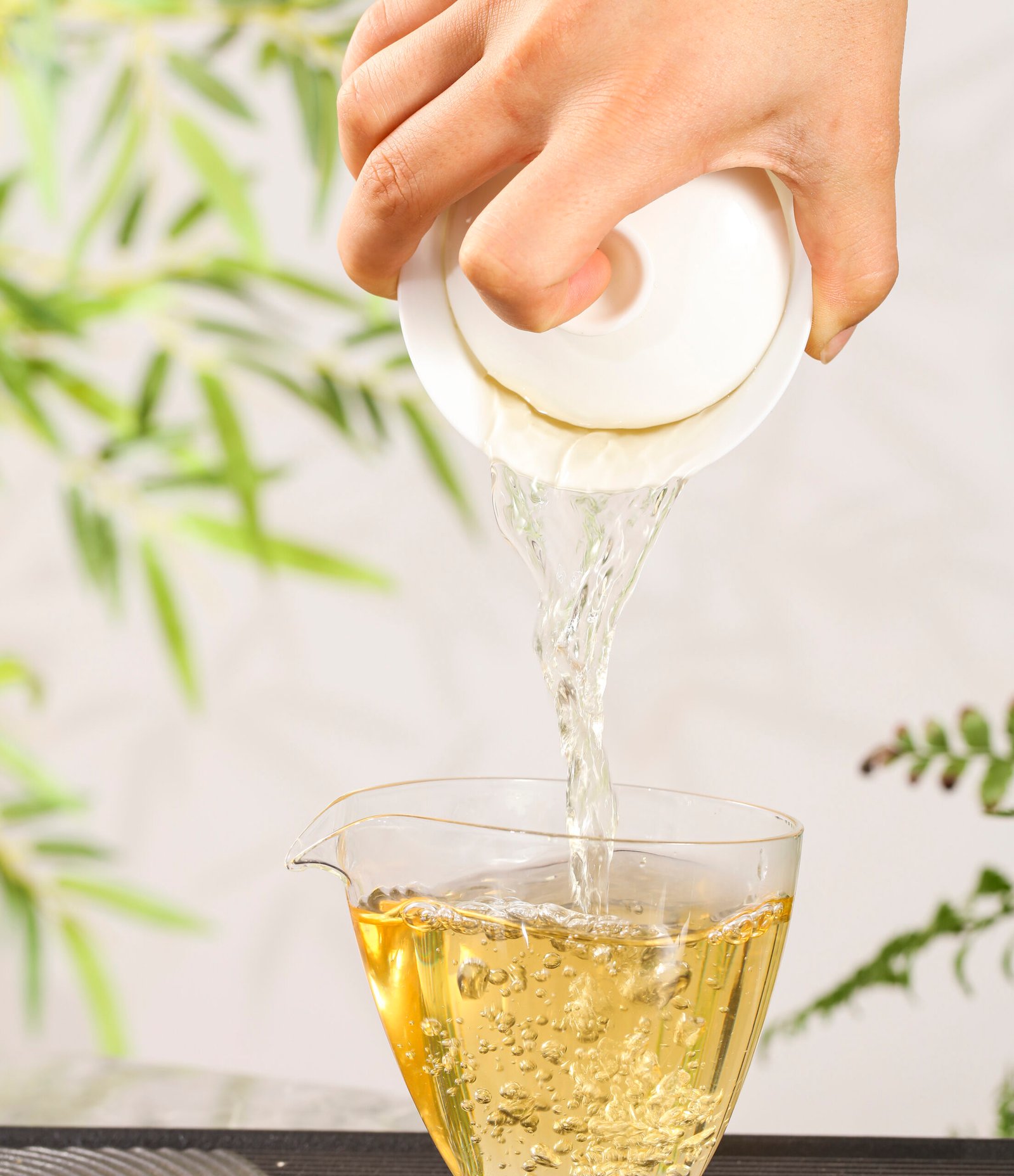
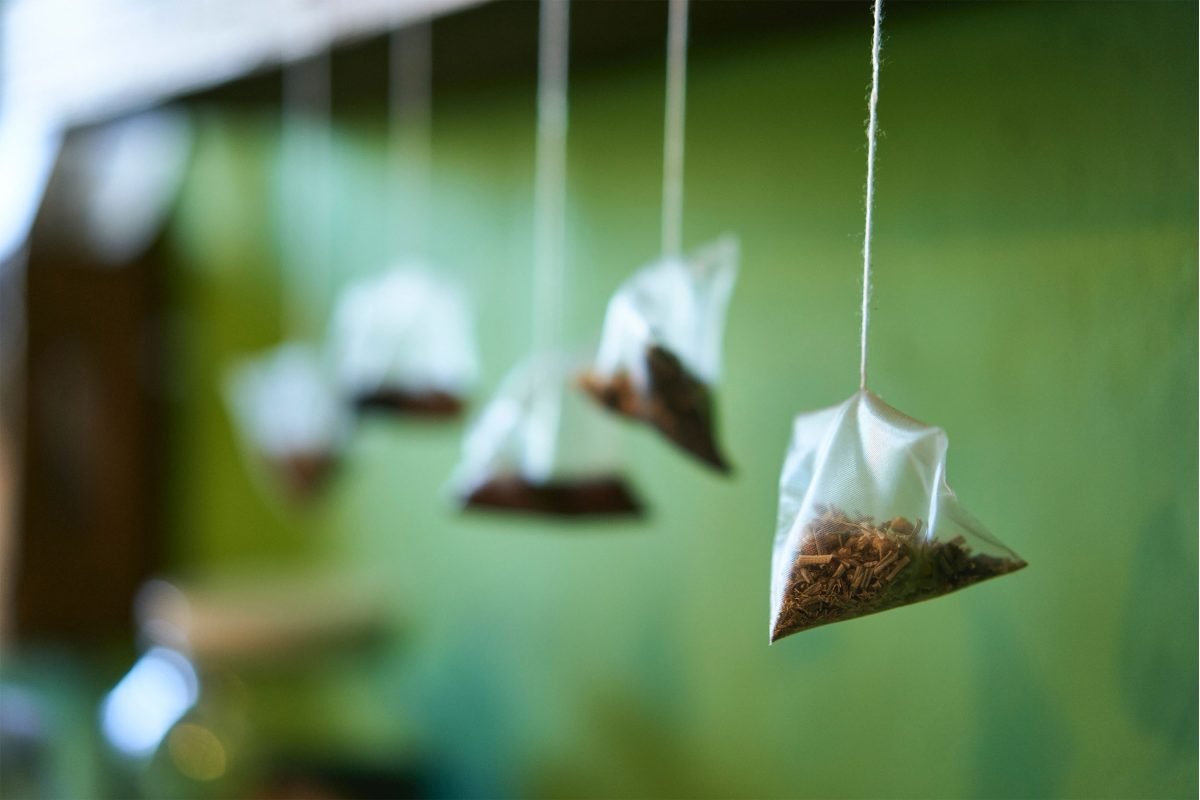
When brewing tea with loose leaves there are many benefits. Among these benefits, include a full tea flavor, potential for resteeping, more possible variety, and an extended period of freshness. On the other hand, when using loose leaf tea leaves, you lose the convenience factor of a tea bag. It is very tempting to opt for a tea bag as it is so easy just to place it in your cup and take it out once the tea is done steeping. However, when using a tea bag, the tea contents inside usually consists of dust or small broken pieces of a tea leaf which is not as high quality as the whole leaf. With a bag, you will get a one note flavor, a one cup steep, a bitter flavor, a limited fresh time, and you will miss out on the traditional tea experience. Tea bags are convenient and quicker when you’re on the go, but is this convenience really worth it? 

Additionally, tea infusers can be considered favorable as they are reusable, can easily be transported, and offer a quicker brew than loose leaves. However, the appealing appearance of these infusers lead to people looking past the actual mechanics of the tea making. In some cases, individuals are left unsatisfied with their tea after using an infuser because they did not account for how big its holes were and end up creating a cup full of leaves. In order to get the best results out of an infuser, one must consider the size of the tea contents in relation to the size of the holes in their infuser. Despite the downfalls of infusers, they do offer the possibility for a more complex tea flavor. 

Tea bags and infusers are both very clever and important inventions for the making of tea. According to different scenarios, one can be more beneficial than the other. While loose leaves remain the most authentic way of making tea, it is understood that one does not always have the time or means to make tea in that way. Therefore, depending on one’s situation, loose leaves, tea bags, and tea infusers are all beneficial. If you’re in a rush or on the go a tea bag or infuser might be right for you, but if you are in need of a meditative tea experience, then loose tea leaves might be the way to go. Different tea methods were made to cater to your needs and ensure that you are able to create tea in any circumstance.
SHARE THIS BLOG

Latest Blogs

Lifestyle

Could You Benefit From Oolong Tea?

This tea plant is legendary for boosting your health today, you’ll learn the t benefits you’ll reap from drinking Oolong tea as part of your regular diet.

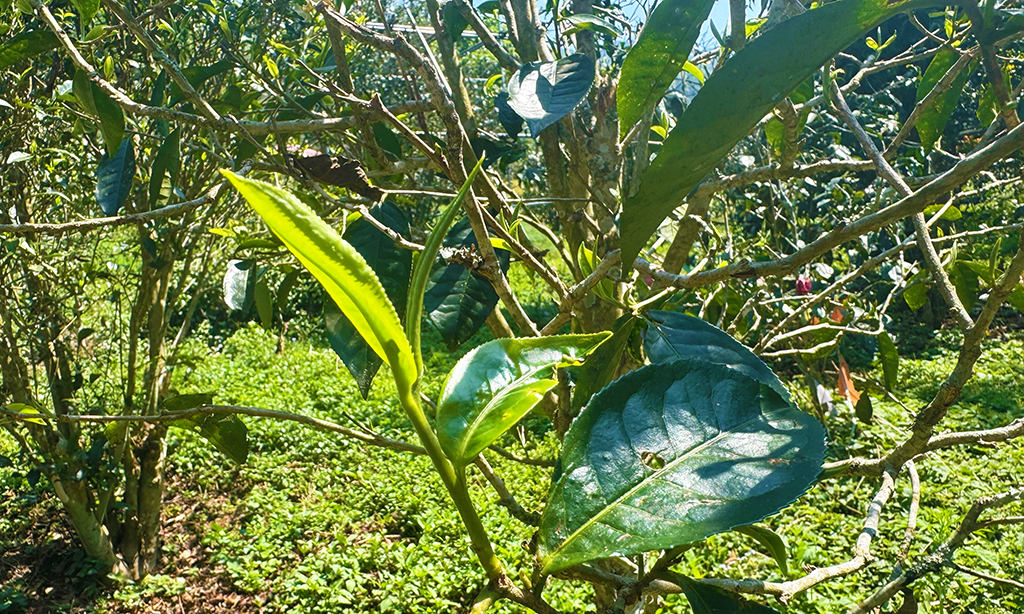
Latest Blogs

Tea 101

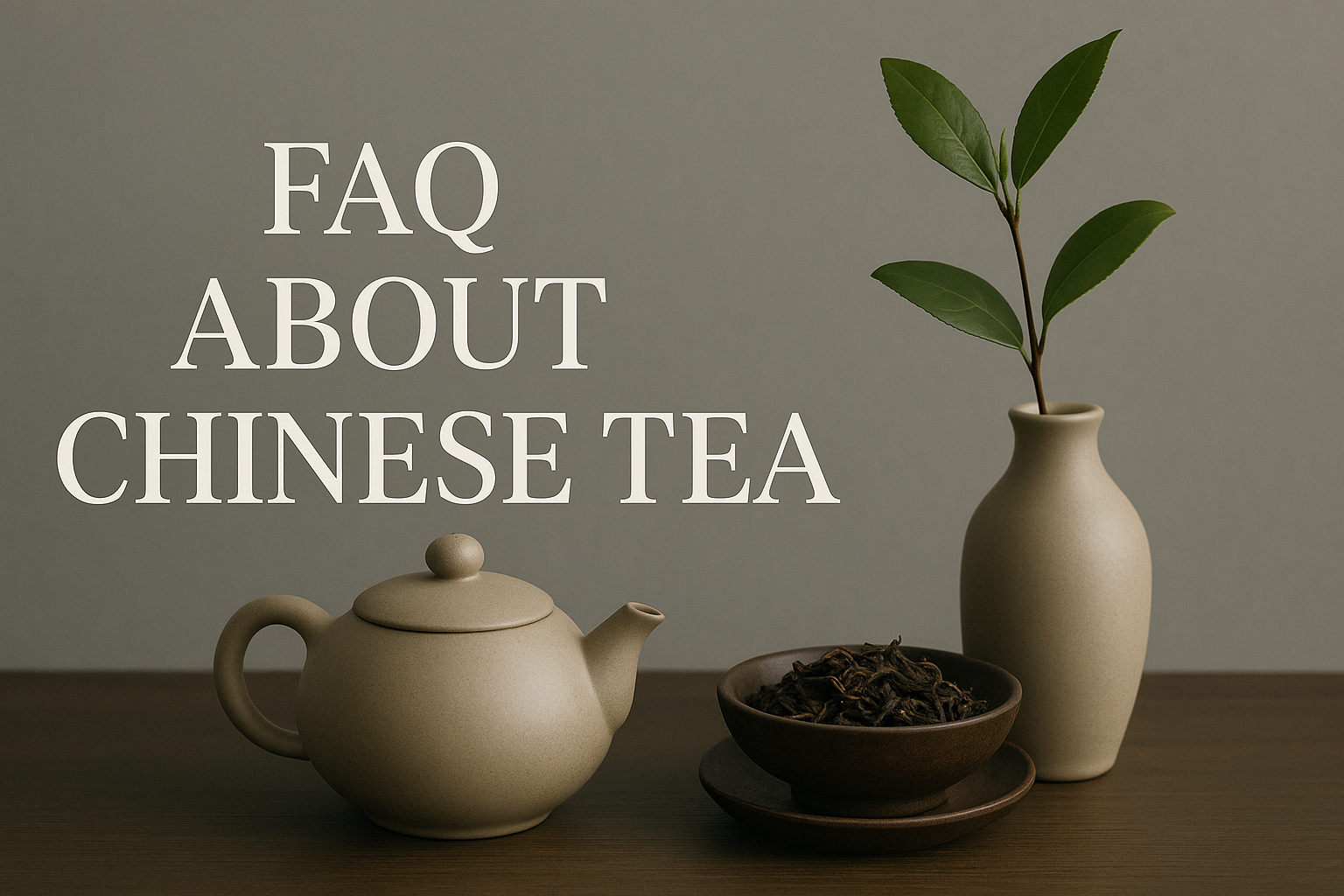
Most Popular Questions About Chinese Tea

Chinese tea has thousands of years of history and remains one of the world’s most cherished beverages. At Veterans Park in Redondo Beach, we often meet people who are curious about tea — how to brew it, how to choose it, and how it affects the body. Here are the most popular questions people ask us, along with clear answers to help you enjoy Chinese tea with confidence. 1. What are the main types of Chinese tea? Chinese tea is traditionally categorized by the level of oxidation and processing method. The six main types are: China also has specialty and scented teas such as Jasmine tea, Liu Bao, and Dark Tea (黑茶). 2. What is the difference between Raw Pu-erh and Ripe Pu-erh? Raw Pu-erh (Sheng) Ripe Pu-erh (Shou) 3. Which Chinese teas are the healthiest? All true teas come from the same plant (Camellia sinensis) and offer antioxidants, minerals, and calming energy. Different teas support different wellness needs: The “healthiest” tea is the one that aligns with your body’s needs, your daily rhythm, and how it makes you feel. 4. How do you properly brew Chinese tea? Brewing depends on tea type, but the Gongfu tea method gives the best results: 5. How do you store Chinese tea? General rules: 6. Why is Chinese tea so expensive? Real Chinese tea is labor-intensive and often handmade. Price reflects: High-end tea is similar to fine wine—rare, handcrafted, and deeply cultural. 7. What is the meaning of Gongfu Tea? Gongfu (工夫) Tea means “tea made with skill and effort.” It is a traditional Chinese brewing method that emphasizes: It is not only a brewing technique but also a way to slow down and enjoy life. 8. What equipment do I need for Chinese tea? Essential tools: Optional but enjoyable: 9. How can I choose a high-quality tea? Look for: 10. What is the history and culture behind Chinese tea? Chinese tea culture spans over 4,000 years: Tea is a symbol of harmony, respect, purity, and peace. 11. Is loose leaf tea better than tea bags? Generally, yes. Loose leaf tea contains whole leaves with full flavor, aroma, and nutrients.Tea bags often contain broken fannings or dust—lower quality with fewer layers of flavor. Loose leaf also allows multiple re-steeps and a more authentic experience. 12. How many times can you re-steep tea? Depends on tea type and quality: High-quality tea lasts many more infusions than low-grade tea. 13. How do you tell if a tea is organic or clean? Key indicators: In China, many of the cleanest teas come from high mountains where chemical use is minimal or unnecessary. 14. Is Chinese tea caffeinated? Yes, all real tea from Camellia sinensis contains caffeine, but: Ripe Pu-erh and aged teas often feel gentler. 15. What are ancient tree teas? Ancient tree (古树) teas come from tea trees that are often: Flavors are more complex, smooth, and energetically powerful. 16. Where do your teas come from? Our teas come from the mountains and villages of China our founder Jack Jiao personally visit—Yunnan, Fujian, Zhejiang, Guangdong, and more. We source directly from farmers, tea makers, and ancient tea tree regions to ensure authenticity, freshness, and purity. 17. What is your favorite tea? My favorite tea depends on the moment. In the morning, I enjoy Raw Pu-erh or Oolong for energy and clarity. In the evening, I prefer Ripe Pu-erh or aged White tea for calmness and grounding. Tea matches our mood, season, and life pace. Whether you are new to Chinese tea or already a tea lover, the beauty of tea is that it grows with you. If you would like to experience these teas in person, join our tea tasting at Veterans Park for your next tea sessions — where tea tasting becomes friend making.

Lifestyle

Could You Benefit From Oolong Tea?

This tea plant is legendary for boosting your health today, you’ll learn the t benefits you’ll reap from drinking Oolong tea as part of your regular diet.

UNLOCK 10% OFF

    Welcome to Hence Tea

    Please check your email for the 10% OFF discount code.