Chinese Teahouse

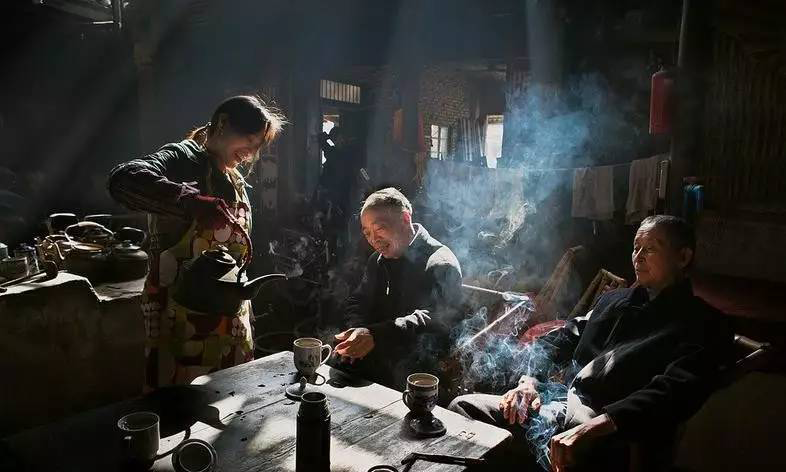
People are drawn to teahouses for their relaxing nature and the light refreshments they serve. China, in particular, is known for its abundance of tea houses in major cities, such as Beijing, Chengdu, Hangzhou, Tianjin, and Guangdong.

^

People are drawn to teahouses for their relaxing nature and the light refreshments they serve. China, in particular, is known for its abundance of tea houses in major cities, such as Beijing, Chengdu, Hangzhou, Tianjin, and Guangdong. The tradition of teahouses in China dates back to the time of the Song Dynasty where tea houses were as abundant as the restaurants in cities and villages. Additionally, in the Ming and Qing dynasties, there were actually a greater number of teahouses than there were restaurants! Some houses were decorated with calligraphy and paintings of celebrities, while others were surrounded with rare plants in order to attract new and returning customers. The locations of these ancient tea houses were also effective in convincing people of the town to come visit as they were often in the beautiful suburbs by pools and vineyards which increased the relaxing atmosphere of the space.

Teahouses keep their clientele year long by implementing different strategies as the seasons change. They are sure to make sure that the needs of their customers are always met as during the winter months, Chinese tea houses often offer tea with added tonics in order to make the tea more effective in keeping the body warm. In the summer, cold drinks are sold in tea houses with more frequency, some of these beverages include cocoribe, sweet bean paste, and papaya juice.
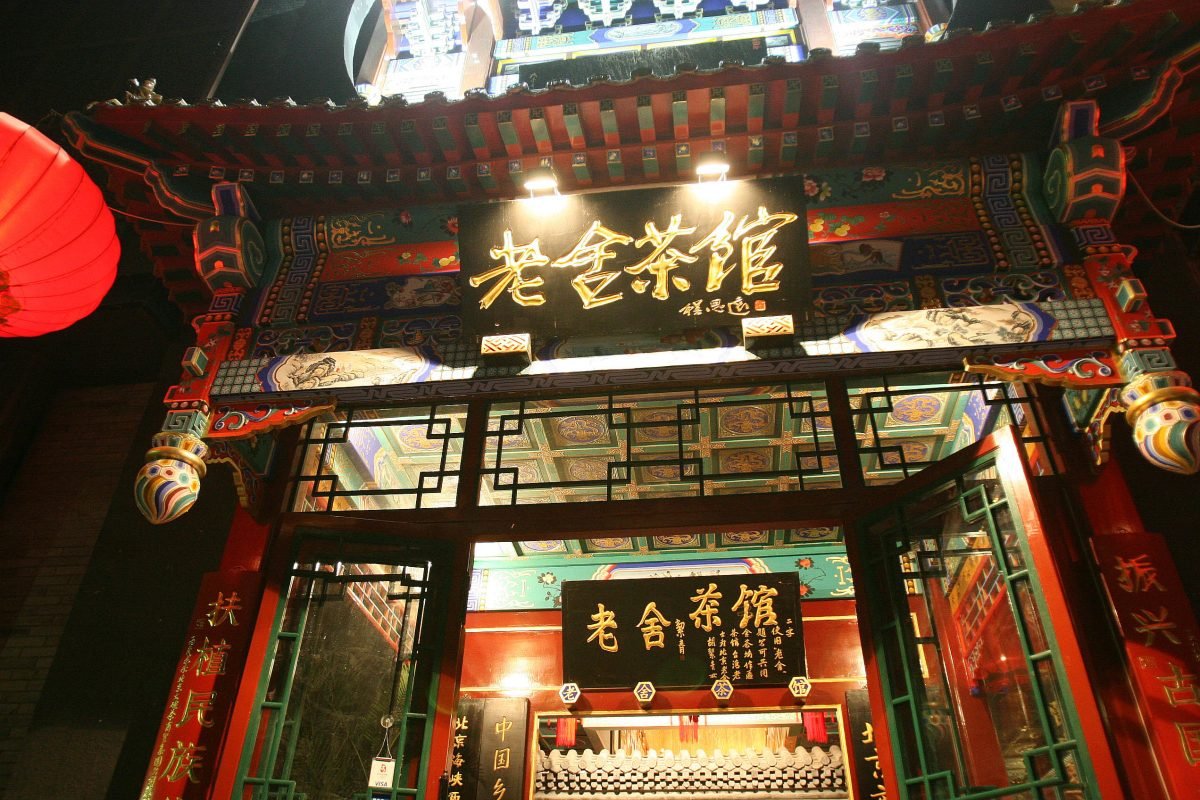
In Beijing, there are a multitude of popular tea houses including Big Teahouse, Qing Teahouse, Storytelling Teahouse, and Wild Teahouse. In ancient times, the teahouses in Beijing were commonly known as storytelling teahouses where their main purpose was to tell stories and they were often decorated accordingly. 
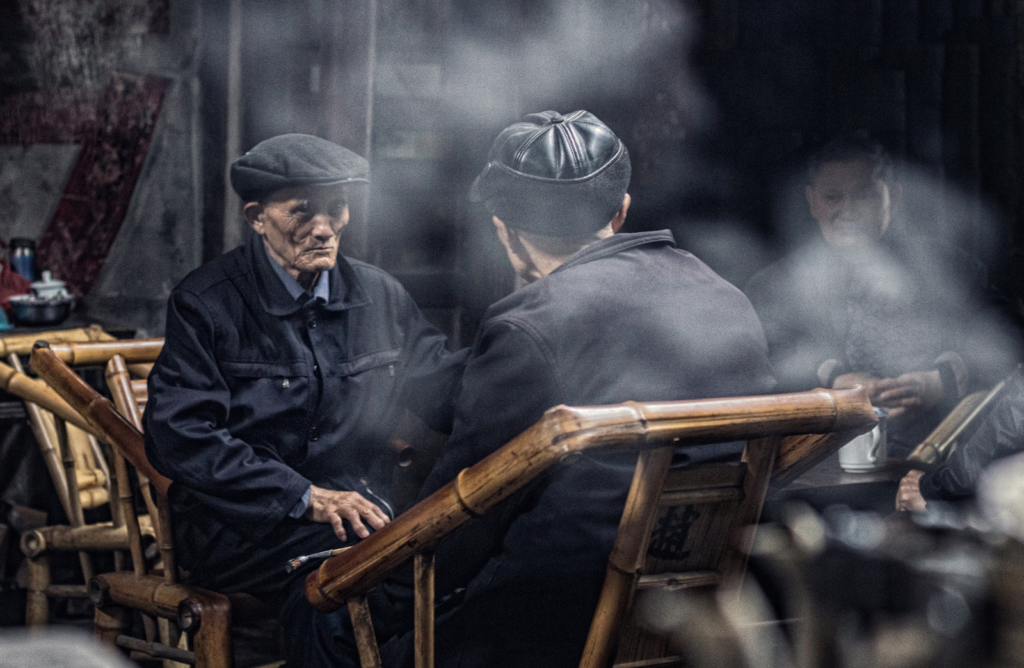
In Hangzhou, the teahouse culture originated from the Southern Song Dynasty. The main drink consumed in Hangzhou is West Lake Longjing Tea, and they have been known to be the city who manages their tea houses the best. The National Tea Expo Fair and The West Lake International Tea Party are held in Hangzhou, and during those events, they receive high praise for their teahouses. 
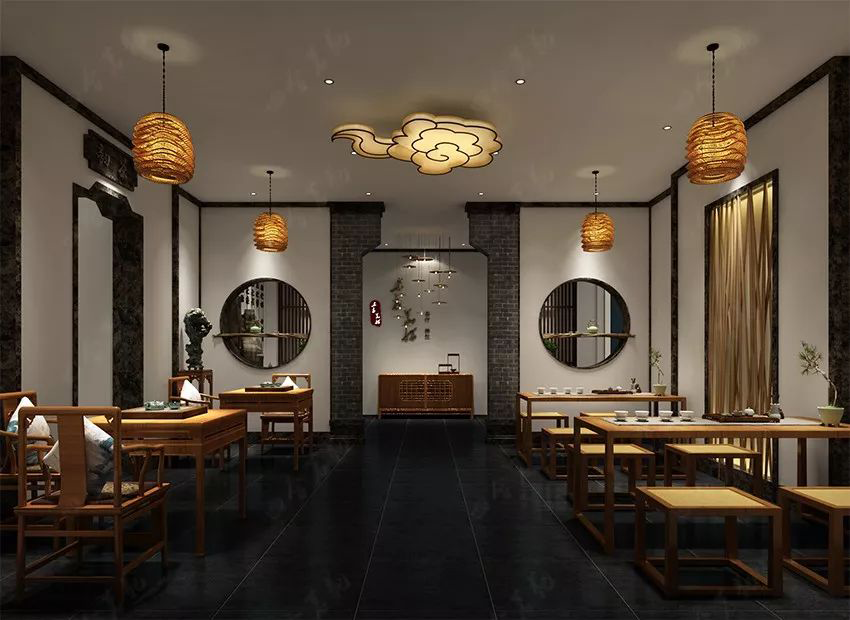
Overall, it is appropriate to say that teahouses in China follow through with their promise to be relaxing and fulfilling. Whether you’d like to enjoy a relaxing cup of tea with friends or enjoy unique storytelling, you are sure to find what you are looking for in China’s world of teahouses!
SHARE THIS BLOG

Latest Blogs

Lifestyle

Could You Benefit From Oolong Tea?

This tea plant is legendary for boosting your health today, you’ll learn the t benefits you’ll reap from drinking Oolong tea as part of your regular diet.

Latest Blogs

Tea 101

Most Popular Questions About Chinese Tea

Chinese tea has thousands of years of history and remains one of the world’s most cherished beverages. At Veterans Park in Redondo Beach, we often meet people who are curious about tea — how to brew it, how to choose it, and how it affects the body. Here are the most popular questions people ask us, along with clear answers to help you enjoy Chinese tea with confidence. 1. What are the main types of Chinese tea? Chinese tea is traditionally categorized by the level of oxidation and processing method. The six main types are: China also has specialty and scented teas such as Jasmine tea, Liu Bao, and Dark Tea (黑茶). 2. What is the difference between Raw Pu-erh and Ripe Pu-erh? Raw Pu-erh (Sheng) Ripe Pu-erh (Shou) 3. Which Chinese teas are the healthiest? All true teas come from the same plant (Camellia sinensis) and offer antioxidants, minerals, and calming energy. Different teas support different wellness needs: The “healthiest” tea is the one that aligns with your body’s needs, your daily rhythm, and how it makes you feel. 4. How do you properly brew Chinese tea? Brewing depends on tea type, but the Gongfu tea method gives the best results: 5. How do you store Chinese tea? General rules: 6. Why is Chinese tea so expensive? Real Chinese tea is labor-intensive and often handmade. Price reflects: High-end tea is similar to fine wine—rare, handcrafted, and deeply cultural. 7. What is the meaning of Gongfu Tea? Gongfu (工夫) Tea means “tea made with skill and effort.” It is a traditional Chinese brewing method that emphasizes: It is not only a brewing technique but also a way to slow down and enjoy life. 8. What equipment do I need for Chinese tea? Essential tools: Optional but enjoyable: 9. How can I choose a high-quality tea? Look for: 10. What is the history and culture behind Chinese tea? Chinese tea culture spans over 4,000 years: Tea is a symbol of harmony, respect, purity, and peace. 11. Is loose leaf tea better than tea bags? Generally, yes. Loose leaf tea contains whole leaves with full flavor, aroma, and nutrients.Tea bags often contain broken fannings or dust—lower quality with fewer layers of flavor. Loose leaf also allows multiple re-steeps and a more authentic experience. 12. How many times can you re-steep tea? Depends on tea type and quality: High-quality tea lasts many more infusions than low-grade tea. 13. How do you tell if a tea is organic or clean? Key indicators: In China, many of the cleanest teas come from high mountains where chemical use is minimal or unnecessary. 14. Is Chinese tea caffeinated? Yes, all real tea from Camellia sinensis contains caffeine, but: Ripe Pu-erh and aged teas often feel gentler. 15. What are ancient tree teas? Ancient tree (古树) teas come from tea trees that are often: Flavors are more complex, smooth, and energetically powerful. 16. Where do your teas come from? Our teas come from the mountains and villages of China our founder Jack Jiao personally visit—Yunnan, Fujian, Zhejiang, Guangdong, and more. We source directly from farmers, tea makers, and ancient tea tree regions to ensure authenticity, freshness, and purity. 17. What is your favorite tea? My favorite tea depends on the moment. In the morning, I enjoy Raw Pu-erh or Oolong for energy and clarity. In the evening, I prefer Ripe Pu-erh or aged White tea for calmness and grounding. Tea matches our mood, season, and life pace. Whether you are new to Chinese tea or already a tea lover, the beauty of tea is that it grows with you. If you would like to experience these teas in person, join our tea tasting at Veterans Park for your next tea sessions — where tea tasting becomes friend making.

Lifestyle

Could You Benefit From Oolong Tea?

This tea plant is legendary for boosting your health today, you’ll learn the t benefits you’ll reap from drinking Oolong tea as part of your regular diet.

UNLOCK 10% OFF

    Welcome to Hence Tea

    Please check your email for the 10% OFF discount code.