
Brewing Excellence: Loose-leaf tea vs. Teabags

Let's delve into the world of loose-leaf tea and tea bags, exploring the differences that make loose-leaf tea an unparalleled choice for tea enthusiasts.

In the realm of tea, the choice between loose-leaf and tea bags is more than just a matter of convenience. It’s a decision that can shape the entire experience, from the quality and taste to the brewing process. Let’s delve into the world of loose-leaf tea and tea bags, exploring the differences that make loose-leaf tea an unparalleled choice for tea enthusiasts.

1. Quality Matters: Leaves Unleashed

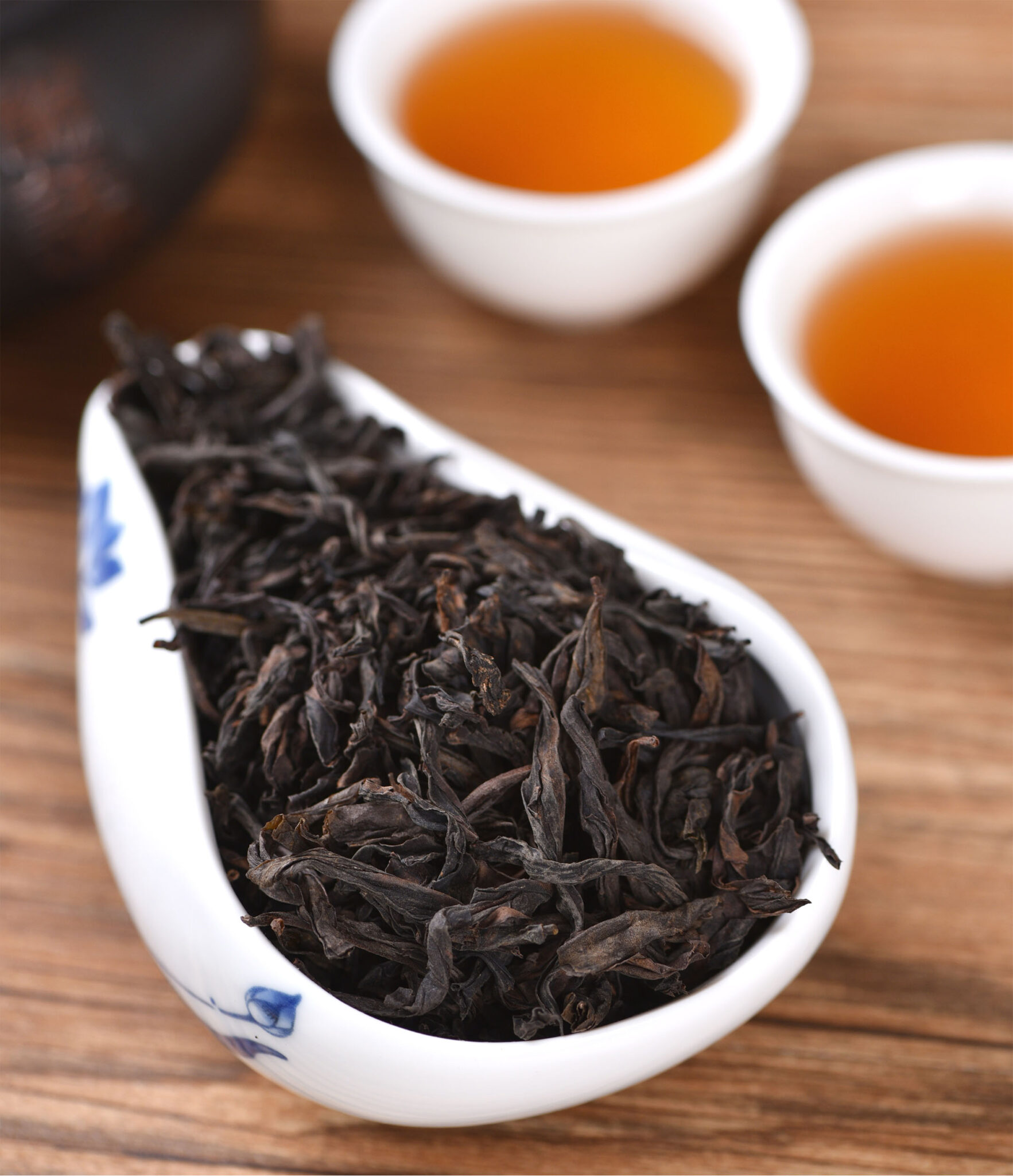
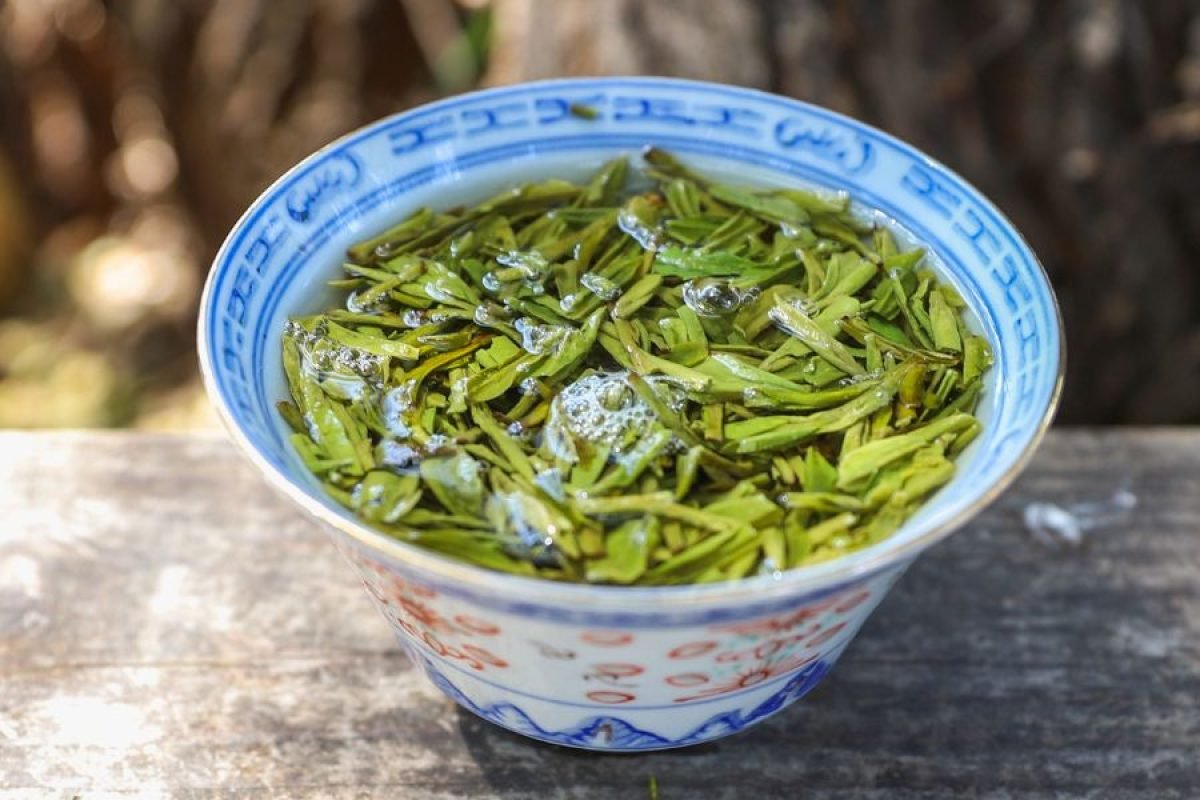
The first and perhaps most significant distinction lies in the quality of the tea itself. Loose-leaf tea typically consists of whole or large leaf pieces, preserving the tea’s essential oils, aroma, and nuanced flavors. In contrast, tea bags often contain broken or crushed leaves, resulting in a diminished flavor profile. The whole leaves in loose-leaf tea allow for a more authentic and robust taste experience.

2. Taste Sensation: Complexity in Every Sip

When it comes to taste, loose-leaf tea offers a more complex and refined flavor profile. The larger surface area of whole leaves allows for a more gradual release of flavors during steeping. This slow infusion process brings out the subtleties and depth of the tea, creating a rich and satisfying taste. On the other hand, tea bags, constrained by their smaller size and fragmented leaves, often produce a more one-dimensional and less nuanced flavor. For example, our West Lake Longjing green tea compared to teabags offers a more varied flavor profile with whole leaves, bringing out subtle sweetness and grassy notes. 

3. Preparation Methods: Embracing the Ritual

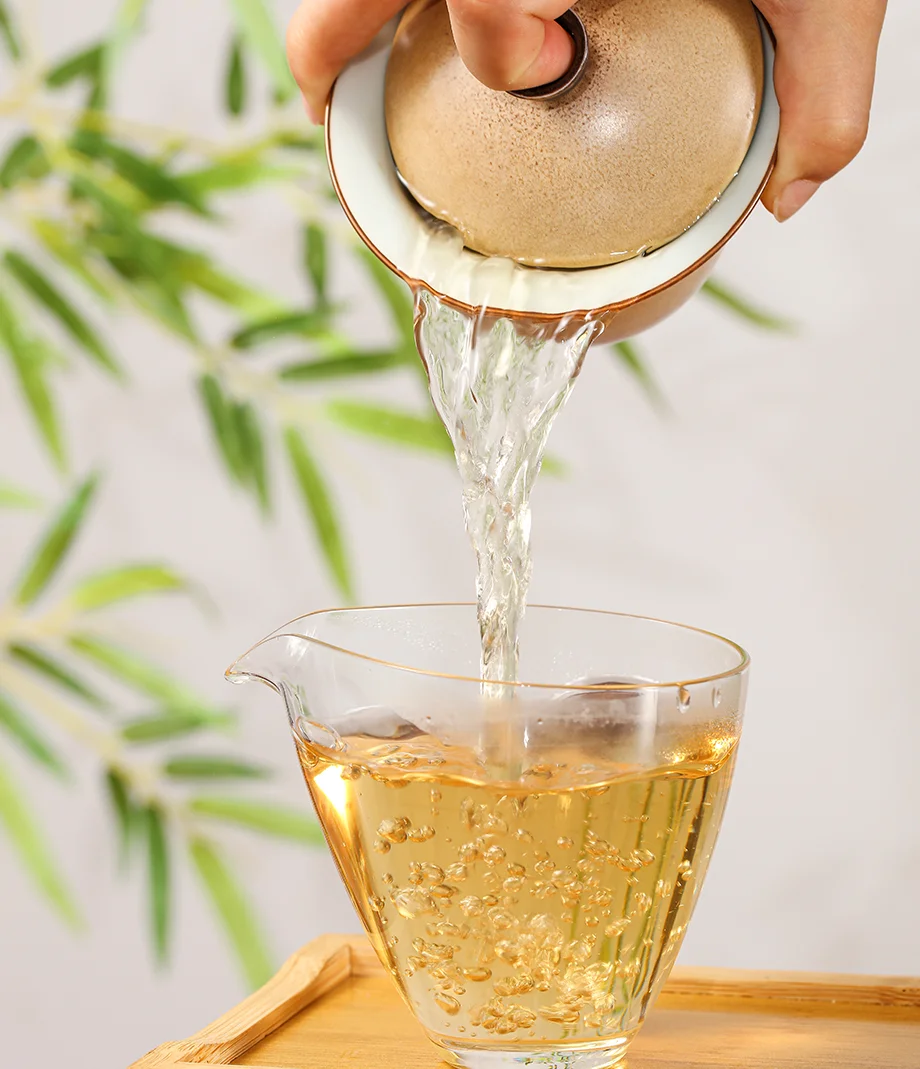
The preparation of loose-leaf tea involves a certain level of mindfulness and ritual. It encourages tea enthusiasts to engage with the brewing process, such as Gongfu brewing, from measuring the leaves to selecting the right temperature and steeping time. This level of involvement not only enhances the overall tea experience but also allows for customization according to personal preferences. Tea bags, while convenient, limit the control and involvement in the brewing process, leading to a less personalized cup of tea.

4. Environmental Impact: Eco-Friendly Elegance

Beyond the sensory experience, the environmental impact is an essential consideration. Loose-leaf tea promotes sustainability, as it often involves less packaging and produces less waste compared to individual tea bags. 

5. Why Loose-Leaf Tea Reigns Supreme: A Summation

In essence, the superiority of loose-leaf tea over tea bags stems from its commitment to quality, taste complexity, and the inherent joy of the brewing ritual. Whole leaves allow for a fuller expression of flavor, and the engagement in the preparation process adds a layer of appreciation to each cup. While tea bags may offer convenience, they often sacrifice the depth and richness that loose-leaf tea brings to the table. For those seeking a tea experience that transcends the ordinary, loose-leaf tea stands as the unrivaled choice, inviting tea enthusiasts to savor every nuanced sip on a journey of taste and tradition.
SHARE THIS BLOG

Latest Blogs

Lifestyle

Could You Benefit From Oolong Tea?

This tea plant is legendary for boosting your health today, you’ll learn the t benefits you’ll reap from drinking Oolong tea as part of your regular diet.

Latest Blogs

Tea 101

Most Popular Questions About Chinese Tea

Chinese tea has thousands of years of history and remains one of the world’s most cherished beverages. At Veterans Park in Redondo Beach, we often meet people who are curious about tea — how to brew it, how to choose it, and how it affects the body. Here are the most popular questions people ask us, along with clear answers to help you enjoy Chinese tea with confidence. 1. What are the main types of Chinese tea? Chinese tea is traditionally categorized by the level of oxidation and processing method. The six main types are: China also has specialty and scented teas such as Jasmine tea, Liu Bao, and Dark Tea (黑茶). 2. What is the difference between Raw Pu-erh and Ripe Pu-erh? Raw Pu-erh (Sheng) Ripe Pu-erh (Shou) 3. Which Chinese teas are the healthiest? All true teas come from the same plant (Camellia sinensis) and offer antioxidants, minerals, and calming energy. Different teas support different wellness needs: The “healthiest” tea is the one that aligns with your body’s needs, your daily rhythm, and how it makes you feel. 4. How do you properly brew Chinese tea? Brewing depends on tea type, but the Gongfu tea method gives the best results: 5. How do you store Chinese tea? General rules: 6. Why is Chinese tea so expensive? Real Chinese tea is labor-intensive and often handmade. Price reflects: High-end tea is similar to fine wine—rare, handcrafted, and deeply cultural. 7. What is the meaning of Gongfu Tea? Gongfu (工夫) Tea means “tea made with skill and effort.” It is a traditional Chinese brewing method that emphasizes: It is not only a brewing technique but also a way to slow down and enjoy life. 8. What equipment do I need for Chinese tea? Essential tools: Optional but enjoyable: 9. How can I choose a high-quality tea? Look for: 10. What is the history and culture behind Chinese tea? Chinese tea culture spans over 4,000 years: Tea is a symbol of harmony, respect, purity, and peace. 11. Is loose leaf tea better than tea bags? Generally, yes. Loose leaf tea contains whole leaves with full flavor, aroma, and nutrients.Tea bags often contain broken fannings or dust—lower quality with fewer layers of flavor. Loose leaf also allows multiple re-steeps and a more authentic experience. 12. How many times can you re-steep tea? Depends on tea type and quality: High-quality tea lasts many more infusions than low-grade tea. 13. How do you tell if a tea is organic or clean? Key indicators: In China, many of the cleanest teas come from high mountains where chemical use is minimal or unnecessary. 14. Is Chinese tea caffeinated? Yes, all real tea from Camellia sinensis contains caffeine, but: Ripe Pu-erh and aged teas often feel gentler. 15. What are ancient tree teas? Ancient tree (古树) teas come from tea trees that are often: Flavors are more complex, smooth, and energetically powerful. 16. Where do your teas come from? Our teas come from the mountains and villages of China our founder Jack Jiao personally visit—Yunnan, Fujian, Zhejiang, Guangdong, and more. We source directly from farmers, tea makers, and ancient tea tree regions to ensure authenticity, freshness, and purity. 17. What is your favorite tea? My favorite tea depends on the moment. In the morning, I enjoy Raw Pu-erh or Oolong for energy and clarity. In the evening, I prefer Ripe Pu-erh or aged White tea for calmness and grounding. Tea matches our mood, season, and life pace. Whether you are new to Chinese tea or already a tea lover, the beauty of tea is that it grows with you. If you would like to experience these teas in person, join our tea tasting at Veterans Park for your next tea sessions — where tea tasting becomes friend making.

Lifestyle

Could You Benefit From Oolong Tea?

This tea plant is legendary for boosting your health today, you’ll learn the t benefits you’ll reap from drinking Oolong tea as part of your regular diet.