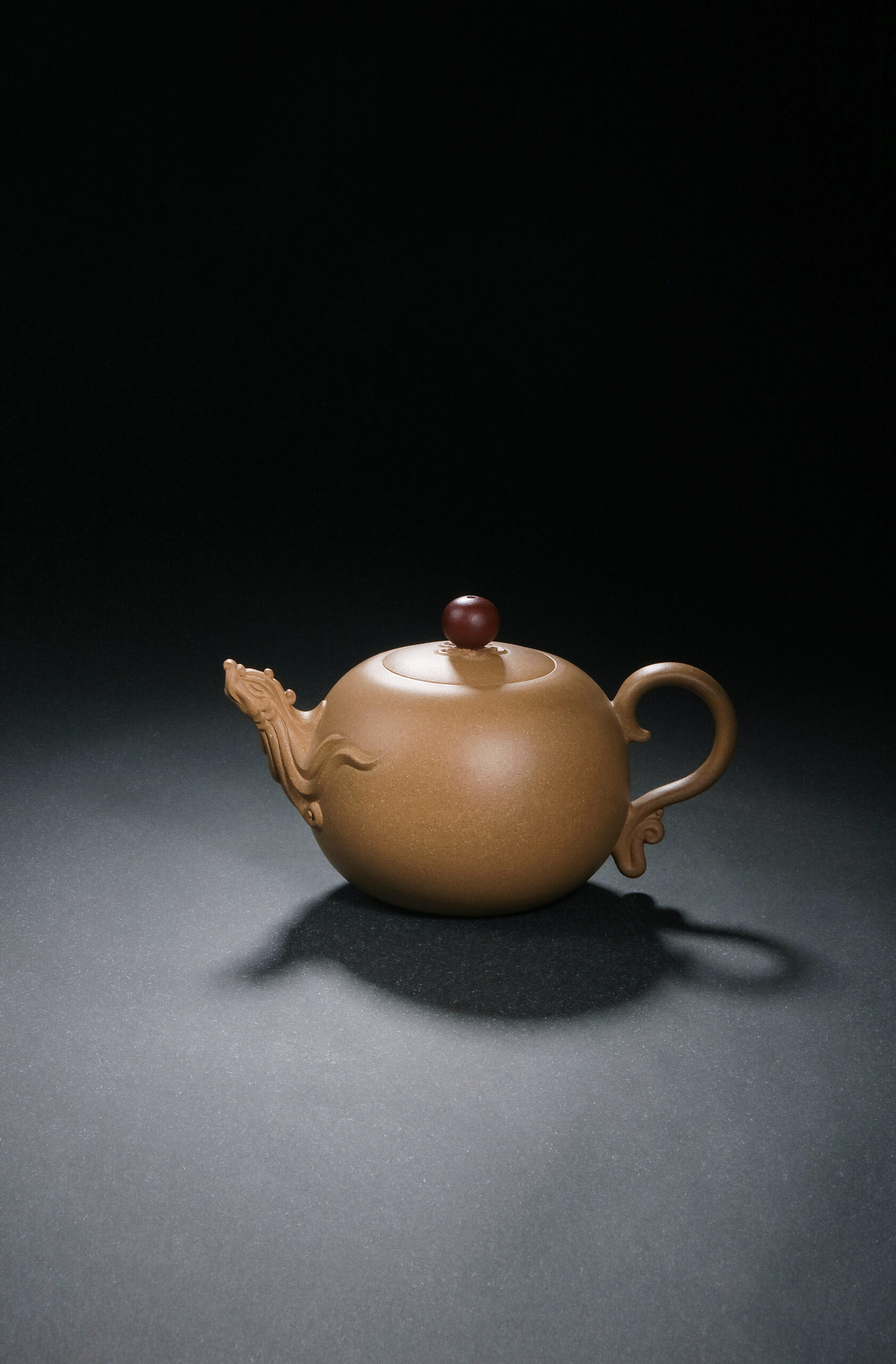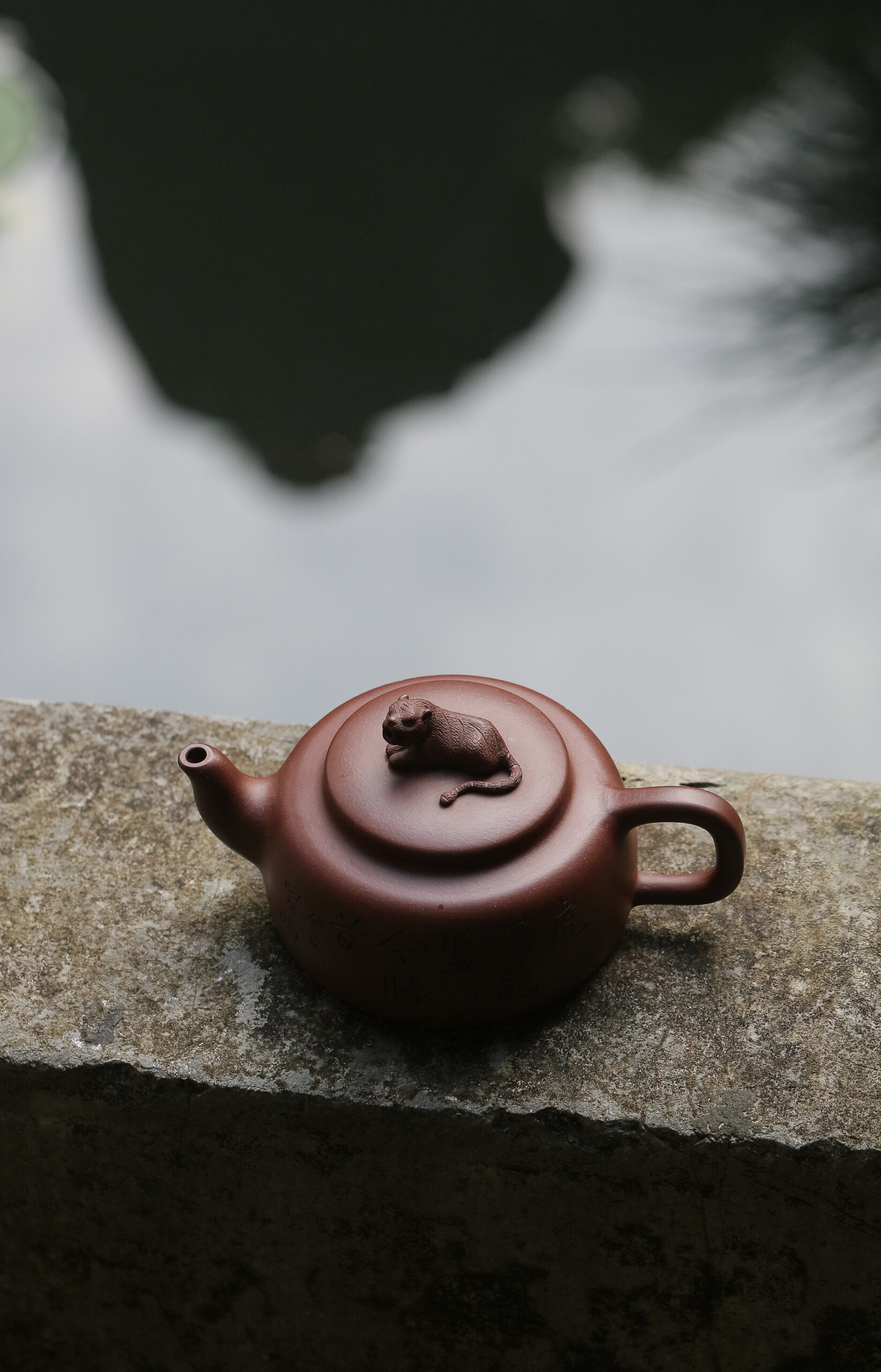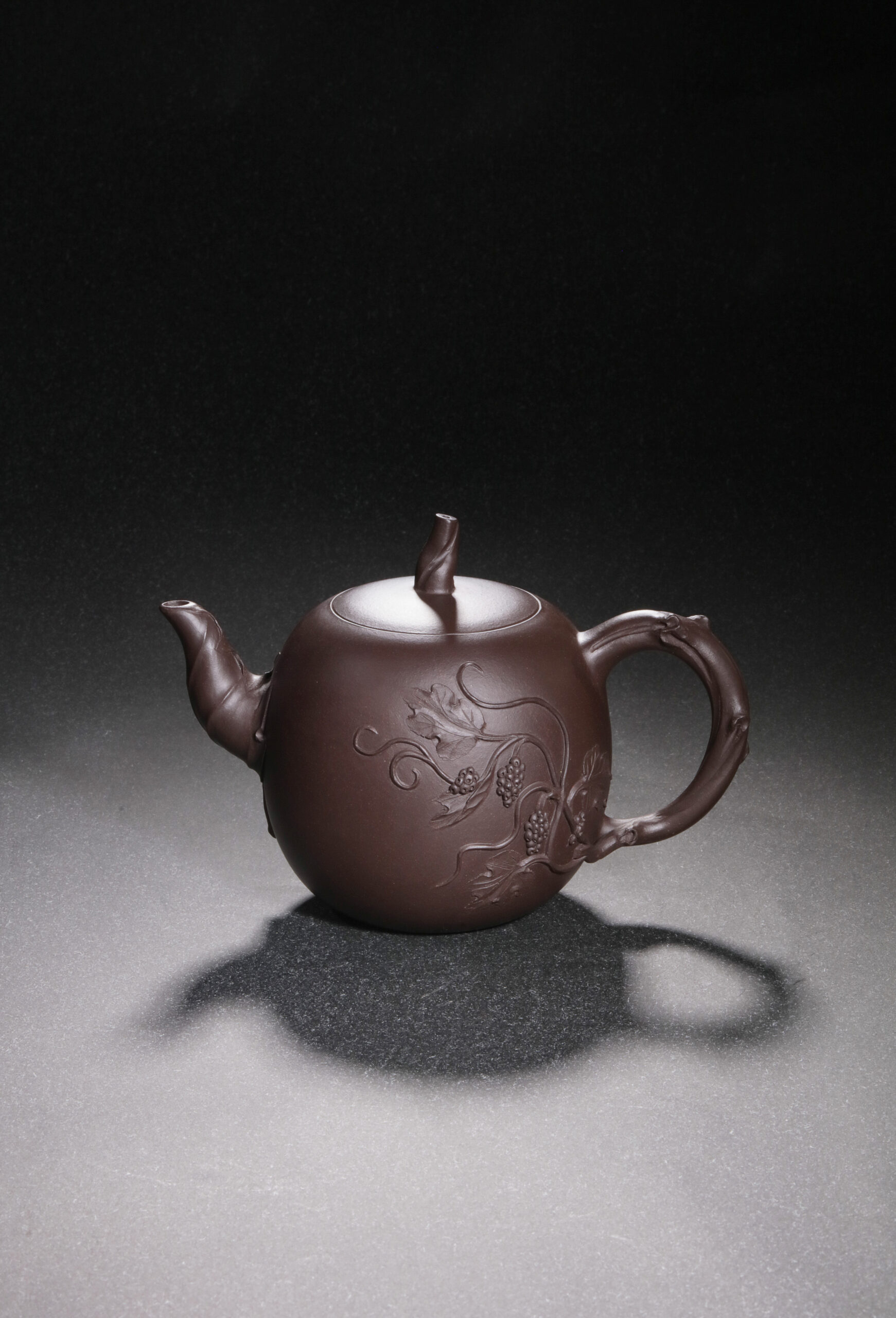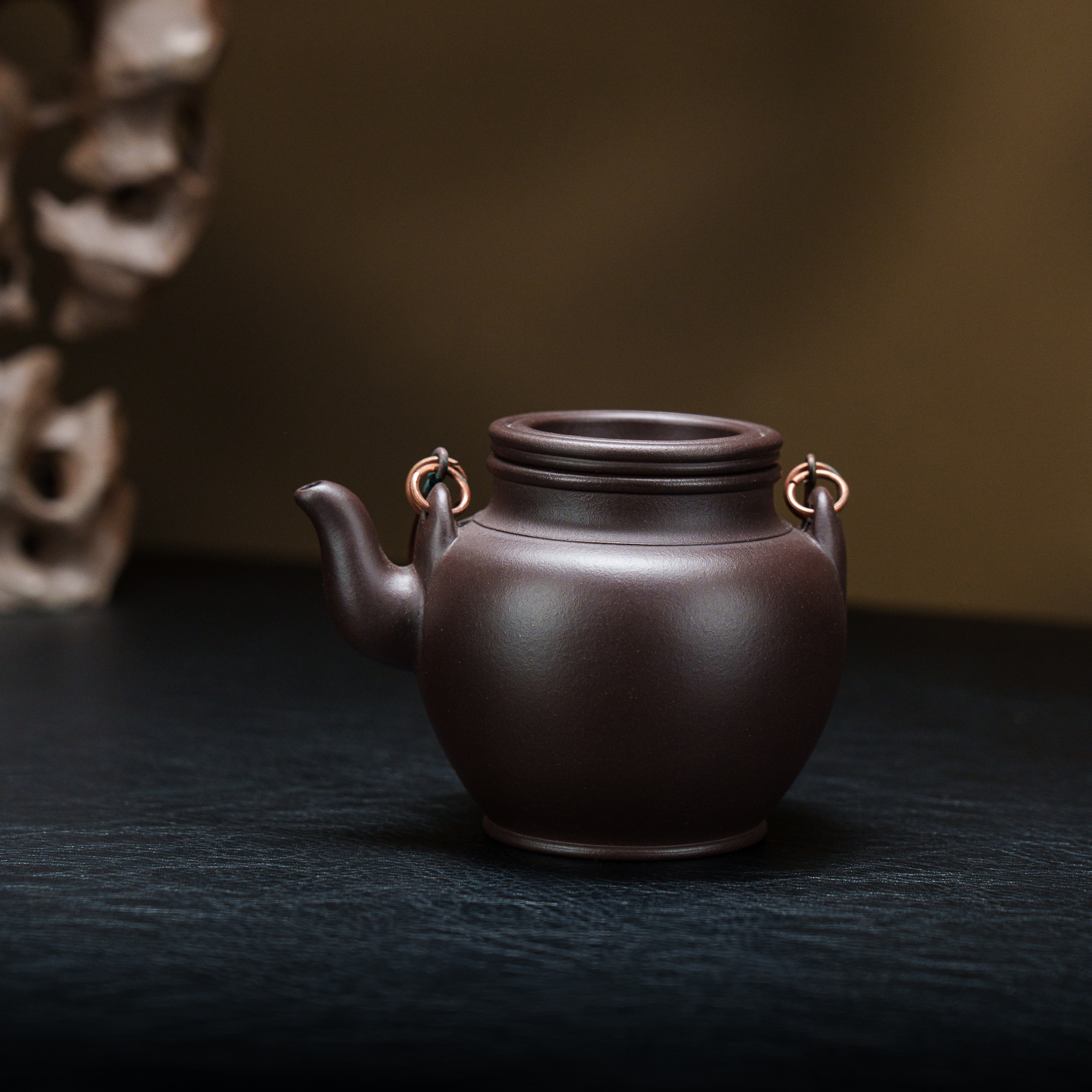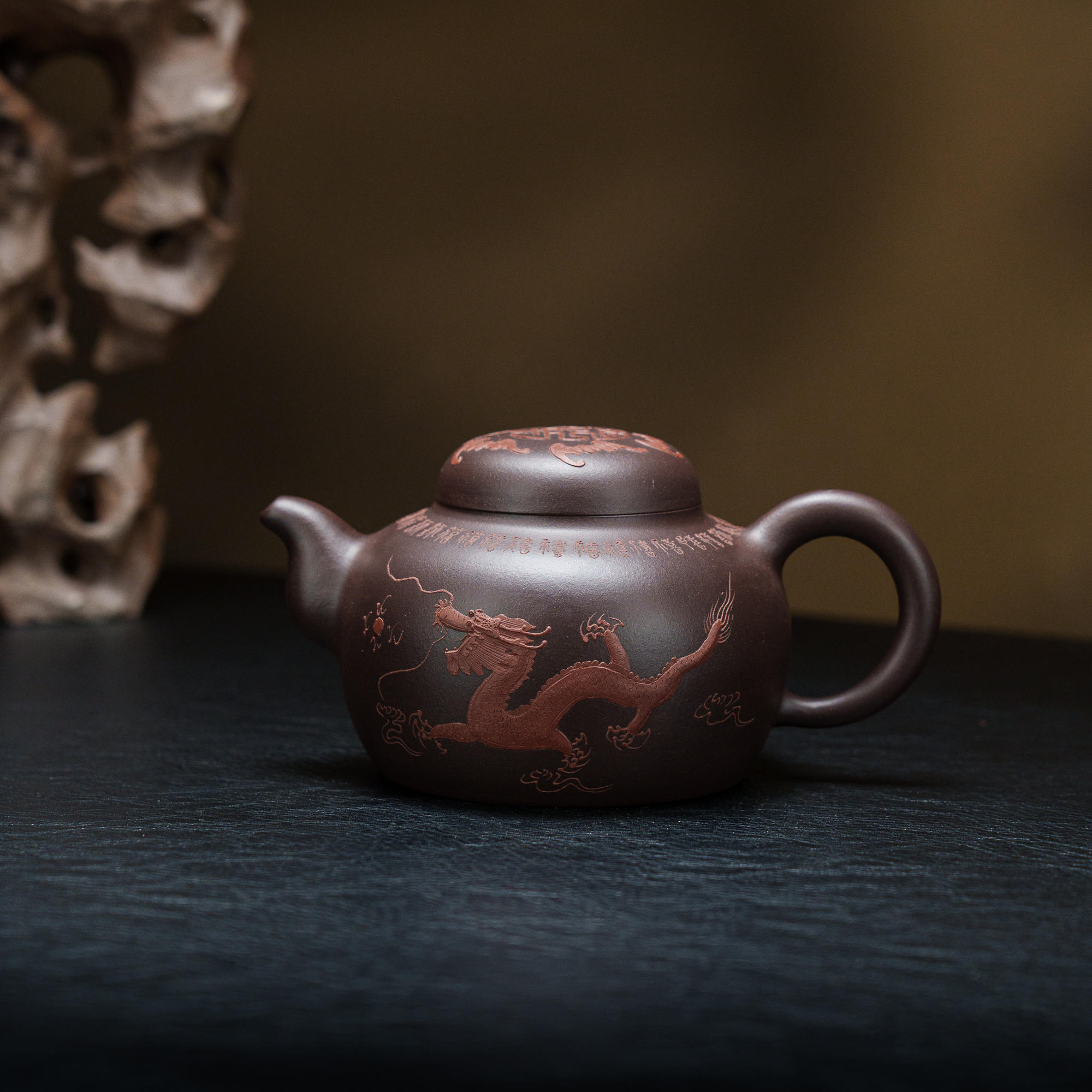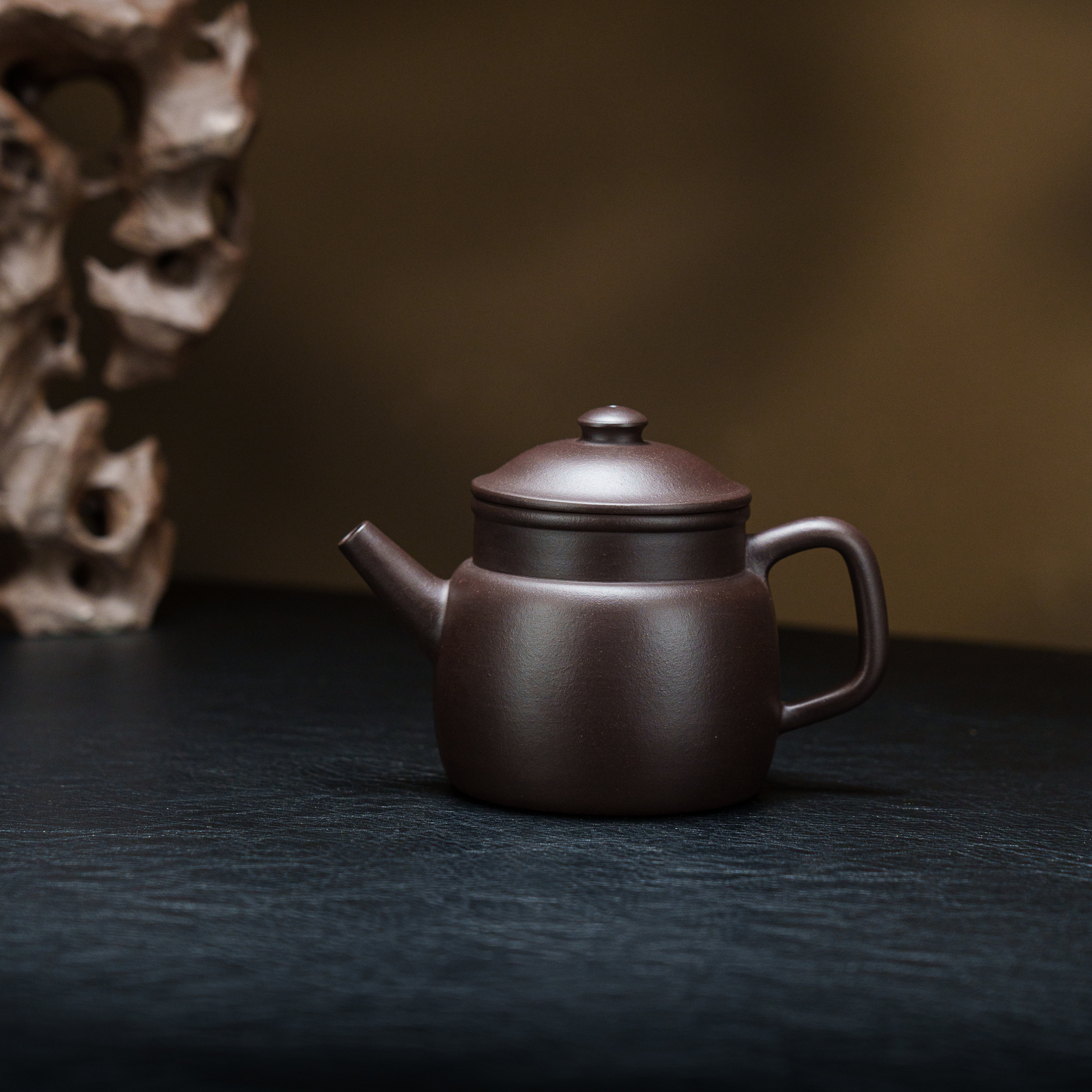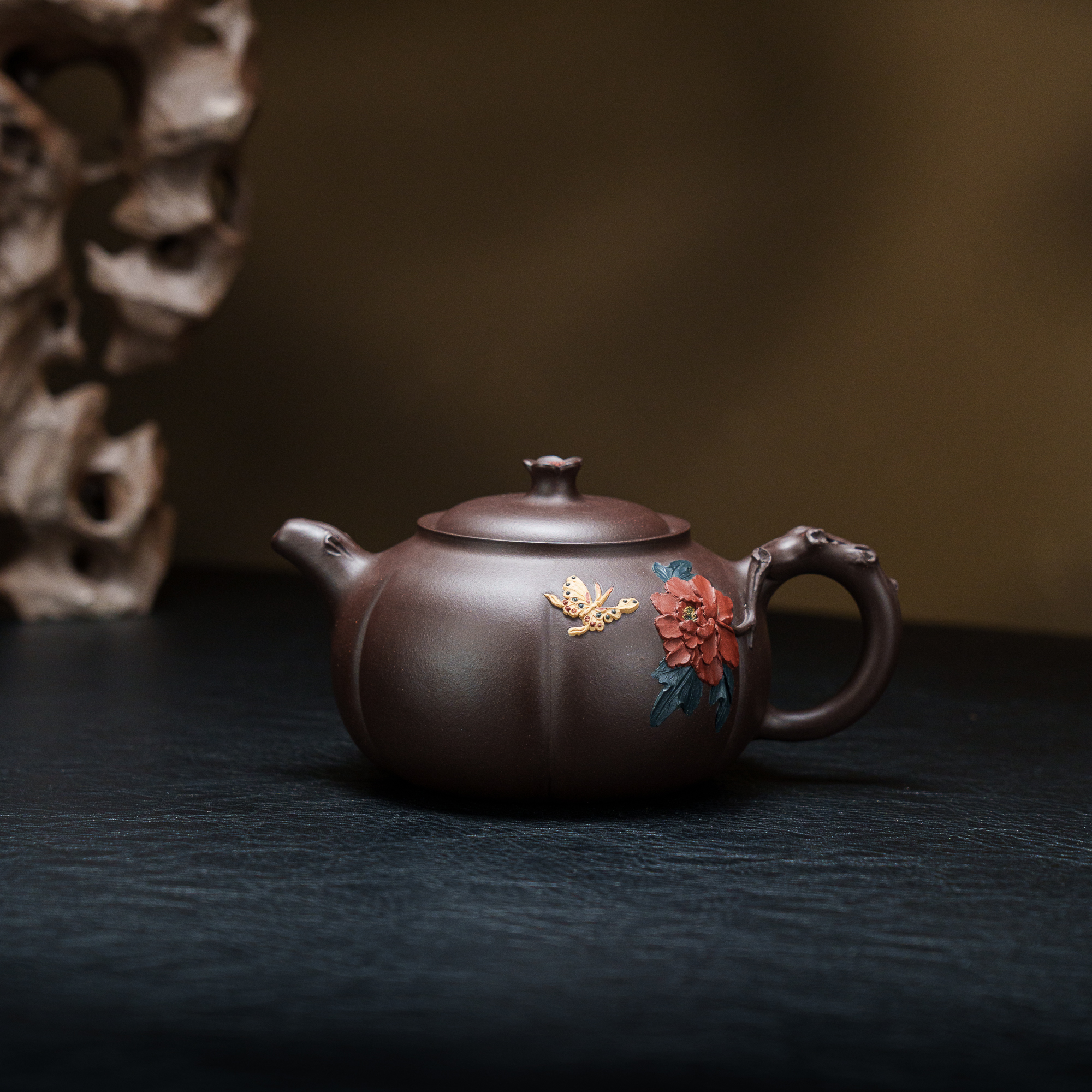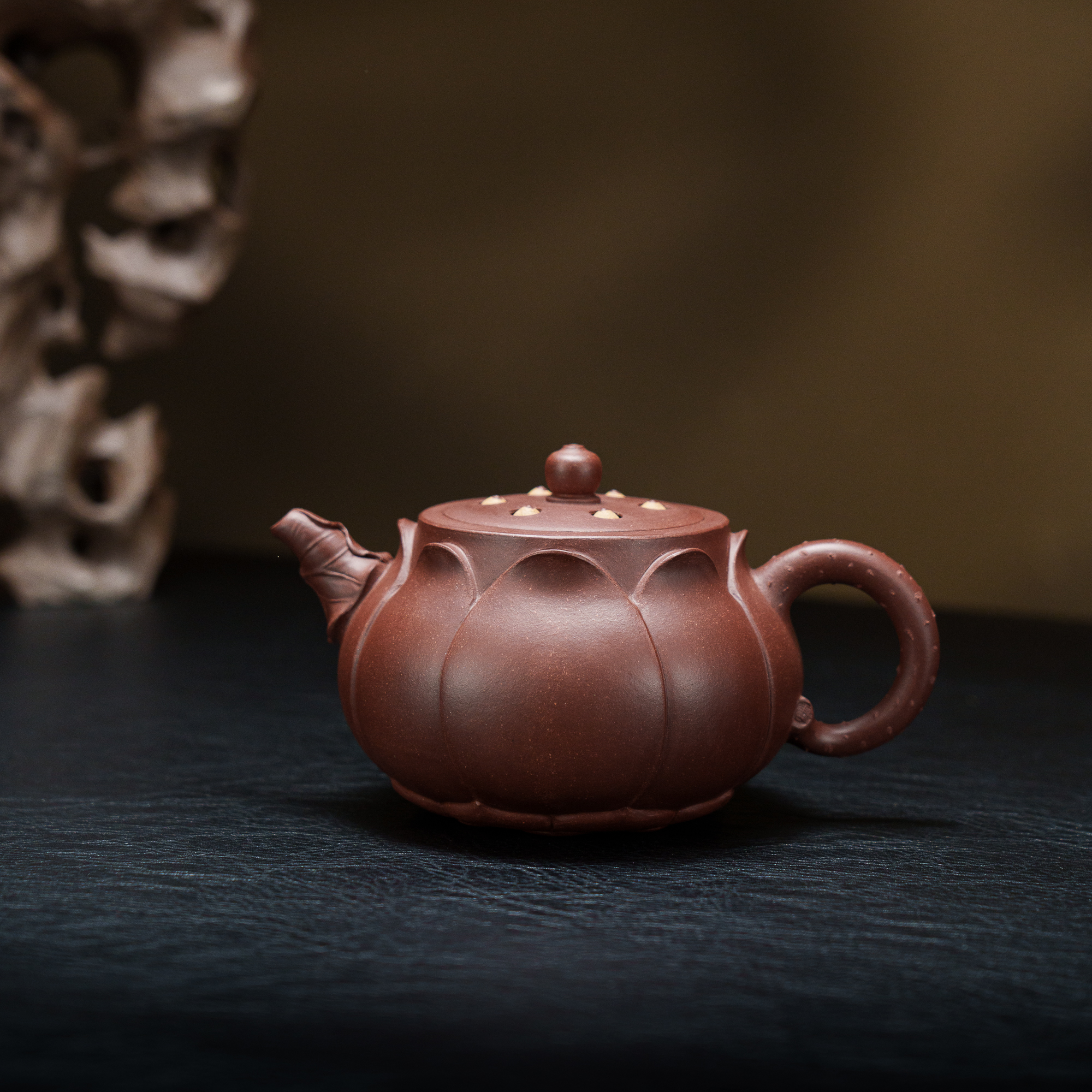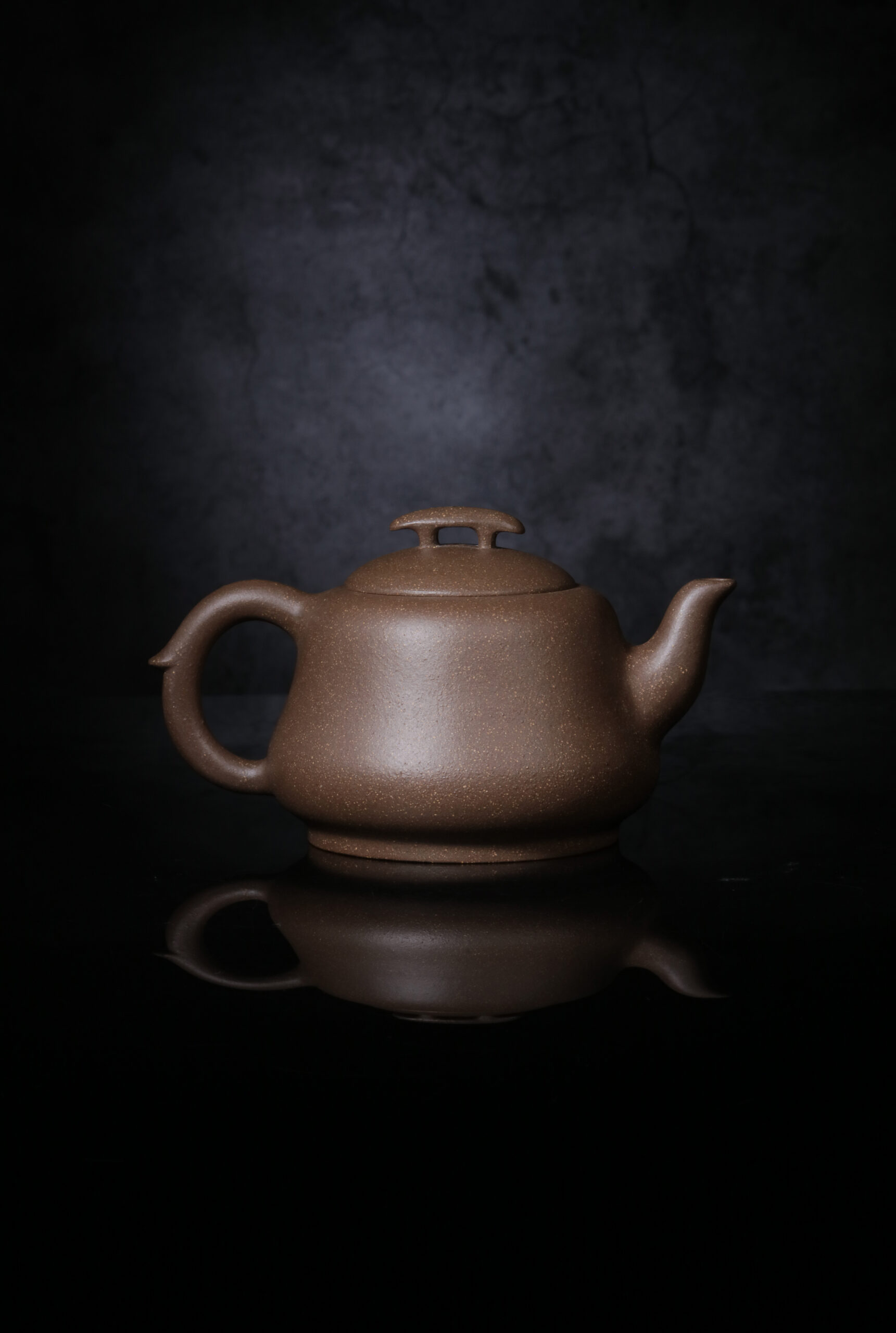

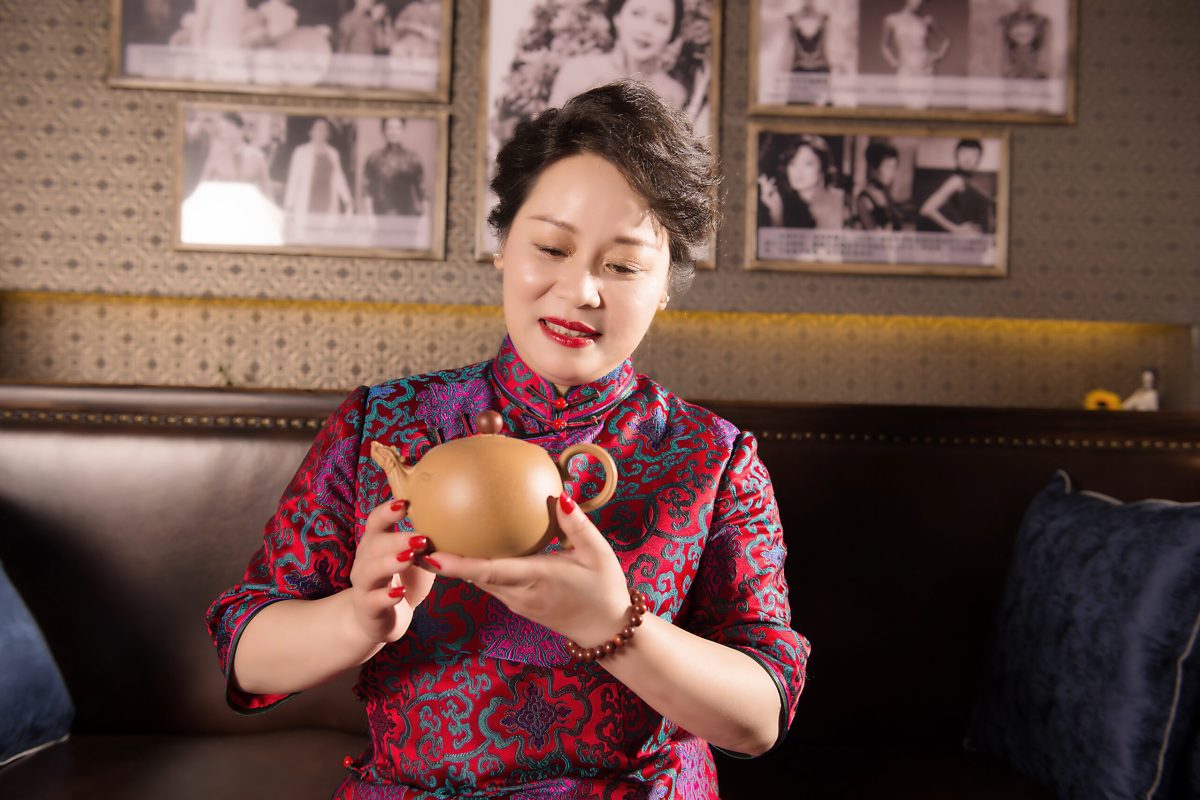
As the twelfth-generation heir to the Tang family’s zisha tradition, Tang Chaoxia has spent nearly four decades shaping clay into some of Yixing’s most admired teapots. She is best known for working almost entirely by hand, a slower and more demanding method than mold-based production, and for a style often described by peers as rich in spirit while holding form and essence in balance.
Learning the Craft From the Ground Up
Tang Chaoxia’s early years coincided with a period when her family had been relocated to the countryside, but the household’s potting skills were never set aside. As a child, she absorbed the craft simply by watching, and by the age of eleven or twelve she was already confident enough to slip into her elders’ seats during their breaks and quietly continue unfinished teapots, work that apparently blended in seamlessly enough that no one noticed the difference. She graduated from a ceramics vocational school at sixteen and began her professional career in earnest in 1986.
Refining a Signature Style
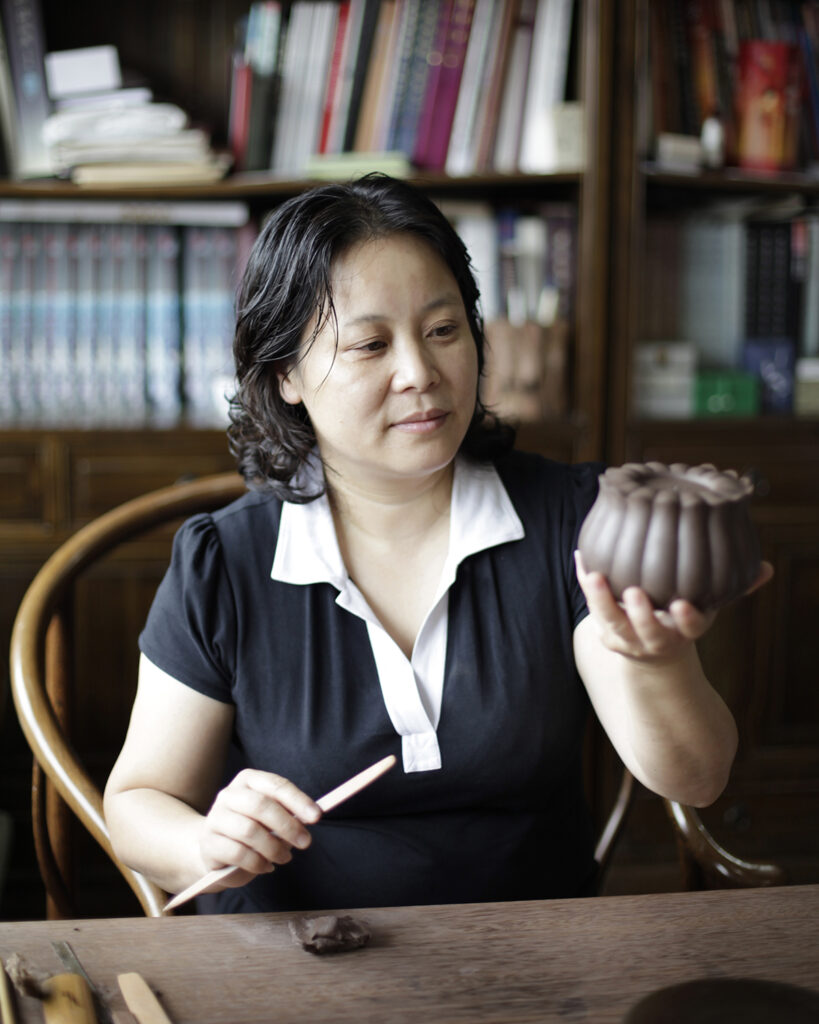
One of Tang Chaoxia’s early contributions was reworking the proportions of the classic round-bodied teapot, whose traditional form could look heavy and squat. She narrowed the body and added a line of banding at the base and neck, producing a more slender, balanced silhouette that reads as both historically grounded and distinctly modern.
The Discipline Behind Every Pot
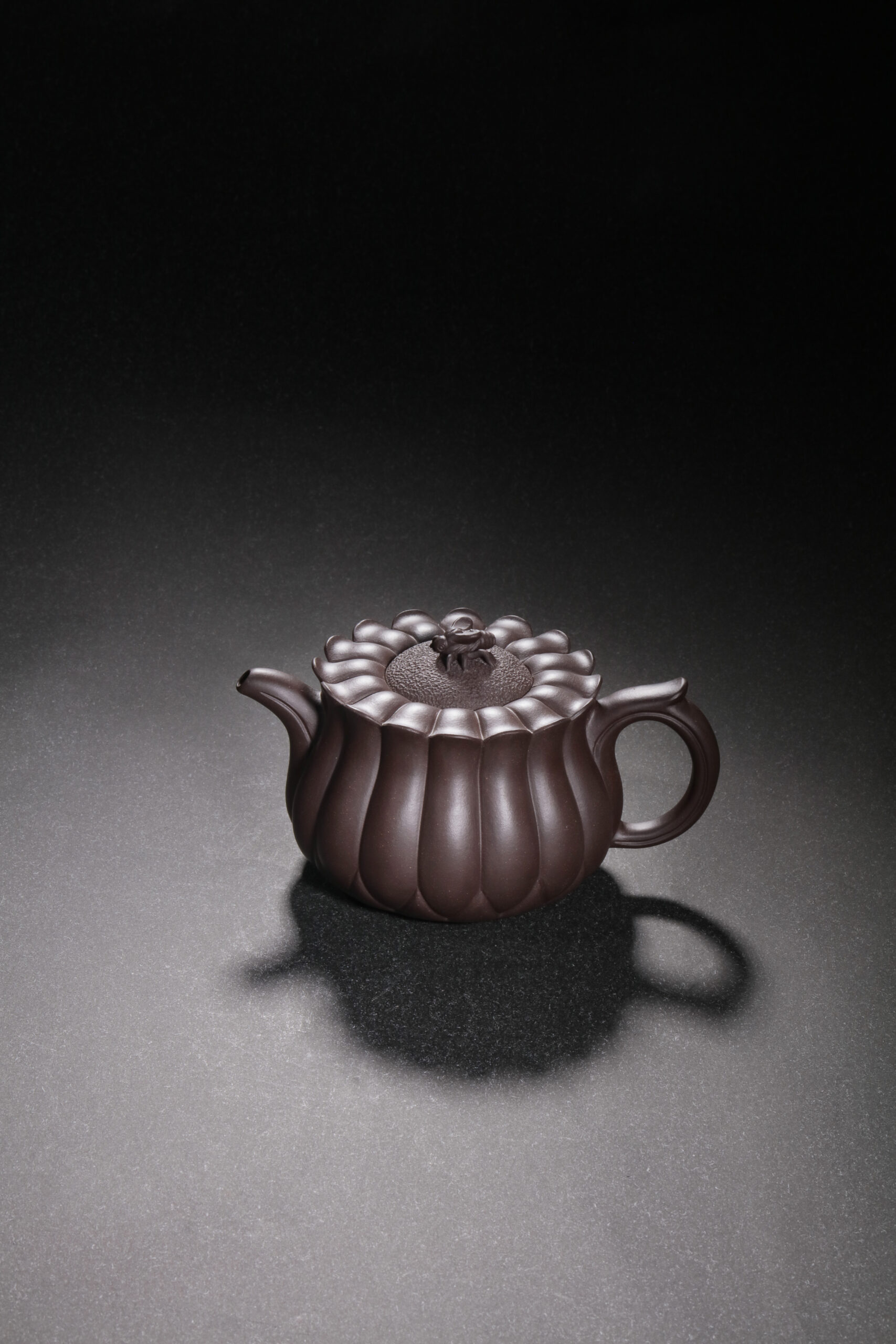
Before a single pot takes shape, the clay itself demands attention. Tang Chaoxia is directly involved in selecting the raw ore, then weathering, grinding, sifting, and kneading it into workable material, a process that unfolds well before the actual forming begins. Once at the wheel, she often works for ten or more uninterrupted hours at a stretch, since losing concentration partway through a piece can ruin it entirely. She has described spending nearly forty days on a pair of bee-and-chrysanthemum teapots, only for one to crack from dry air before firing and the other to come out flawed after an unrelated mishap in the kiln. Rather than let an imperfect piece leave her workshop, she has smashed pots that fell short of her standard, a habit she credits with keeping her skills sharp over the years.
That exacting standard shows up in more personal work too. In 2004, the Year of the Monkey and a shared zodiac year for both her and her son, she created a set called Mother-Son Bond, its teapot and cups shaped like peaches with two small monkeys perched on the lid, a quiet way of expressing the closeness between parent and child.
International Recognition
In December 2015, at a centennial celebration for the 1915 Panama-Pacific International Exposition held at Caesars Palace in Las Vegas, two of her works, a Crimson Phoenix Greeting the Sun teapot and a Bee-and-Chrysanthemum teapot, received gold and special gold awards. She was also invited by an American tea association to give a lecture on zisha artistry in Las Vegas, drawing an audience of more than six hundred people, some of whom expressed interest in traveling to China to study the craft with her directly.
A Few Signature Works
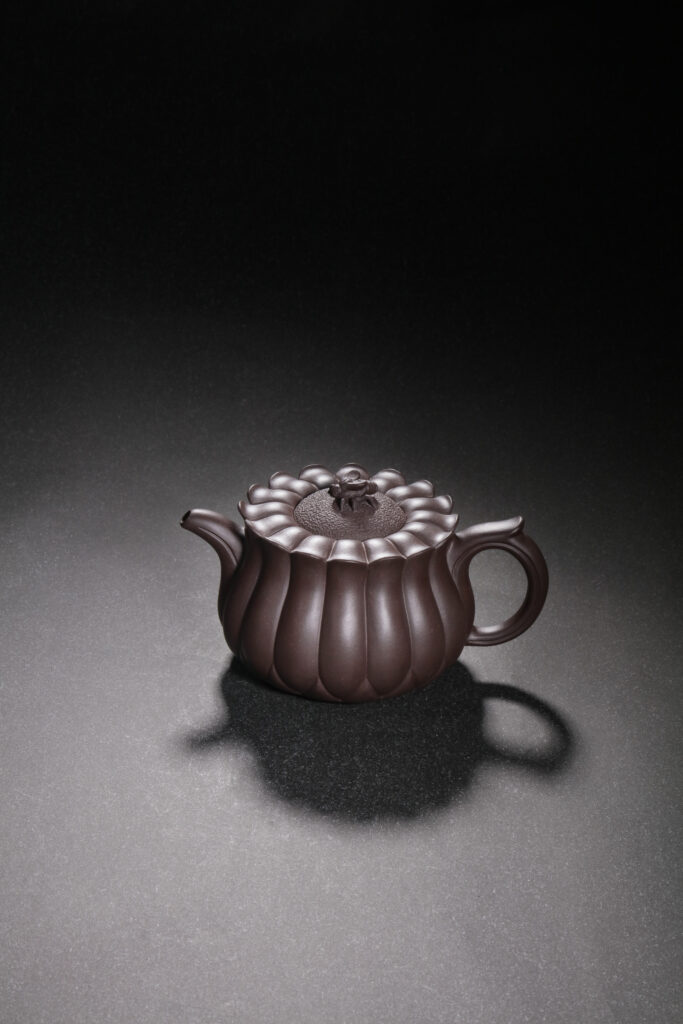
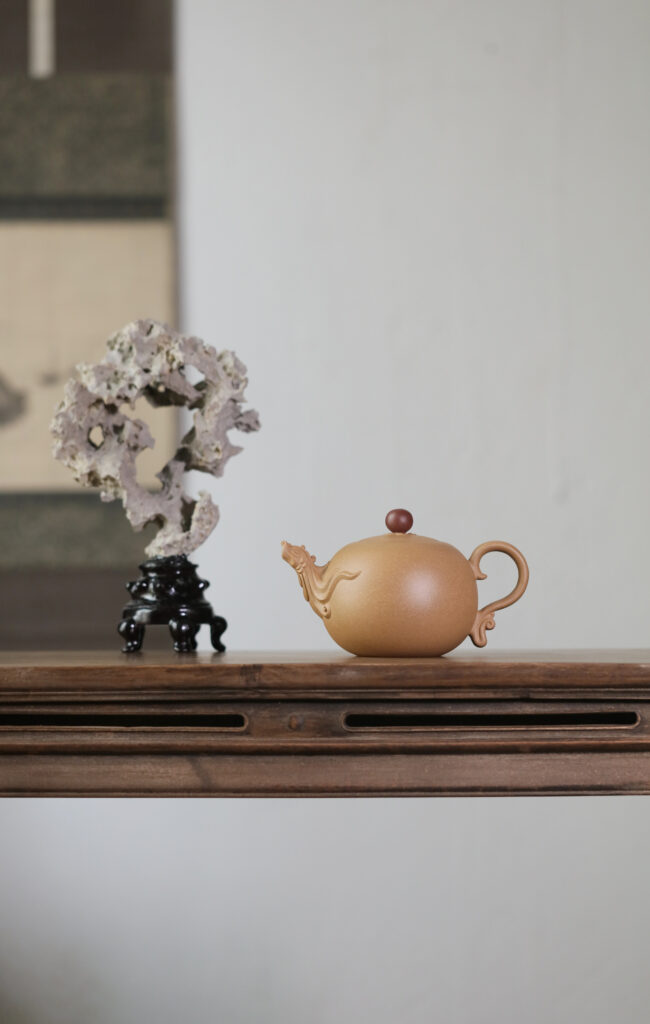
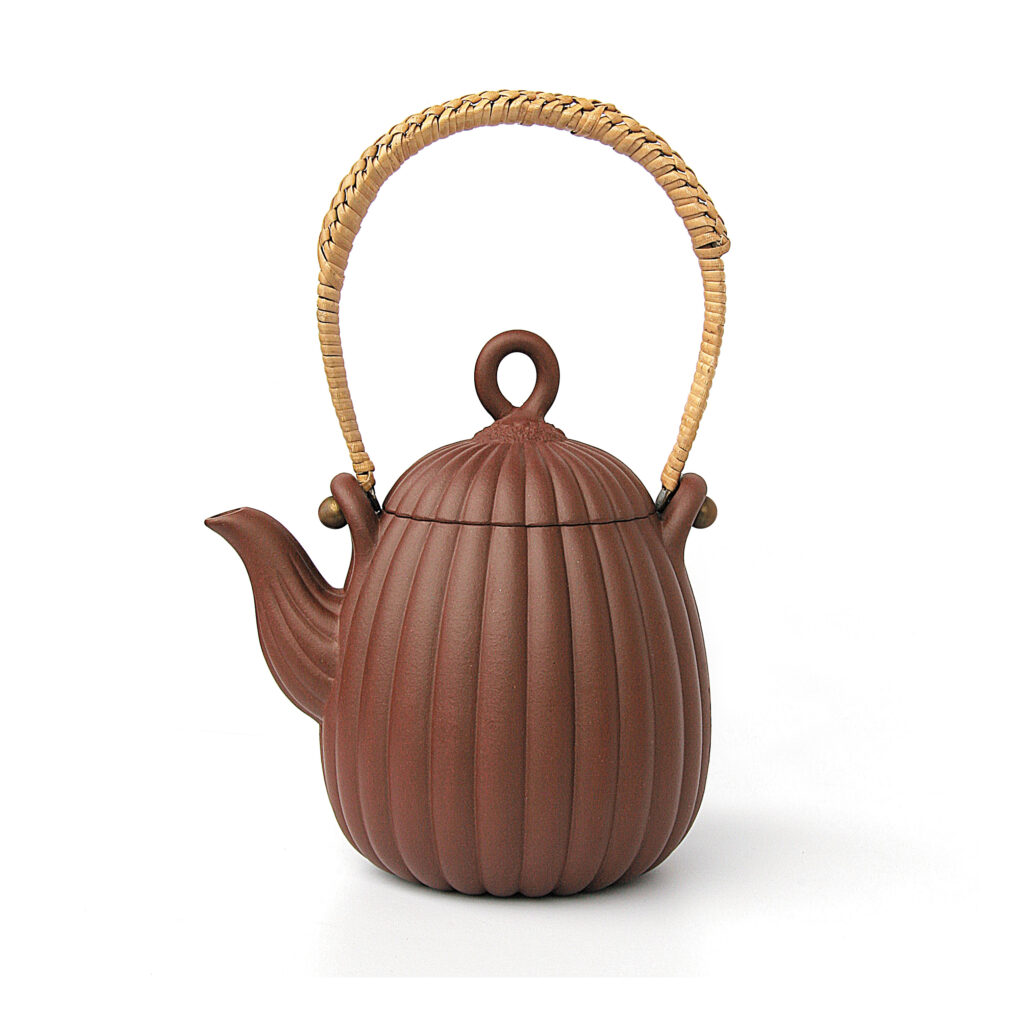
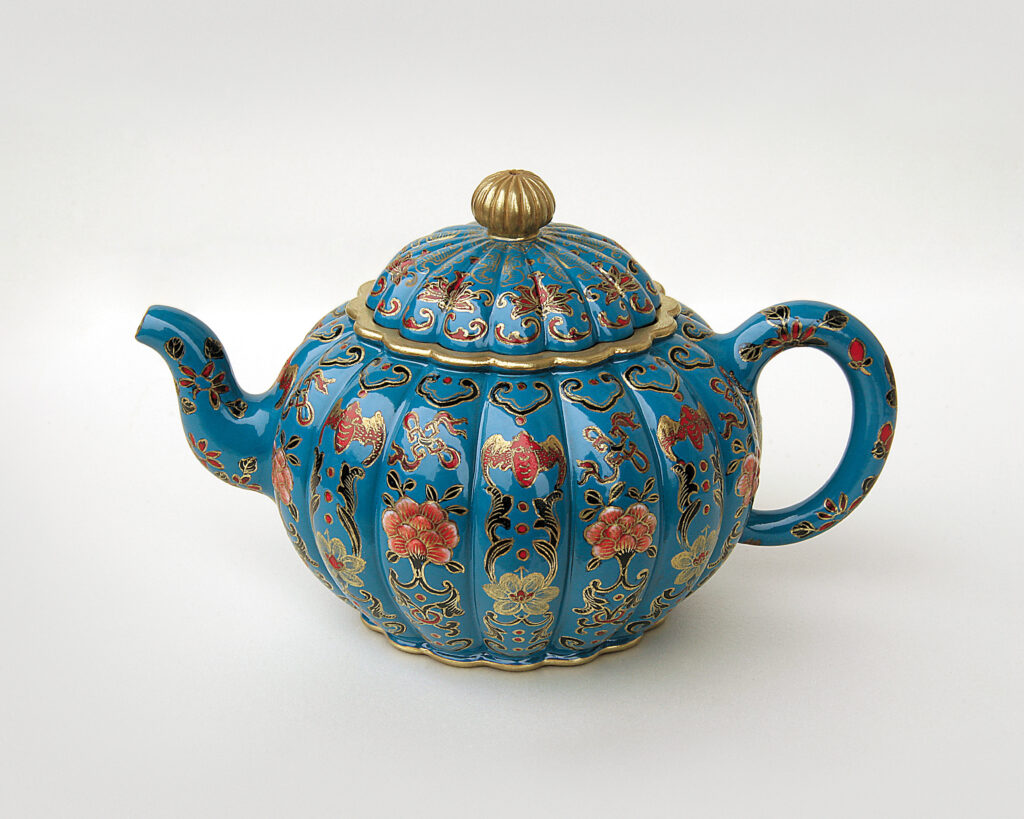
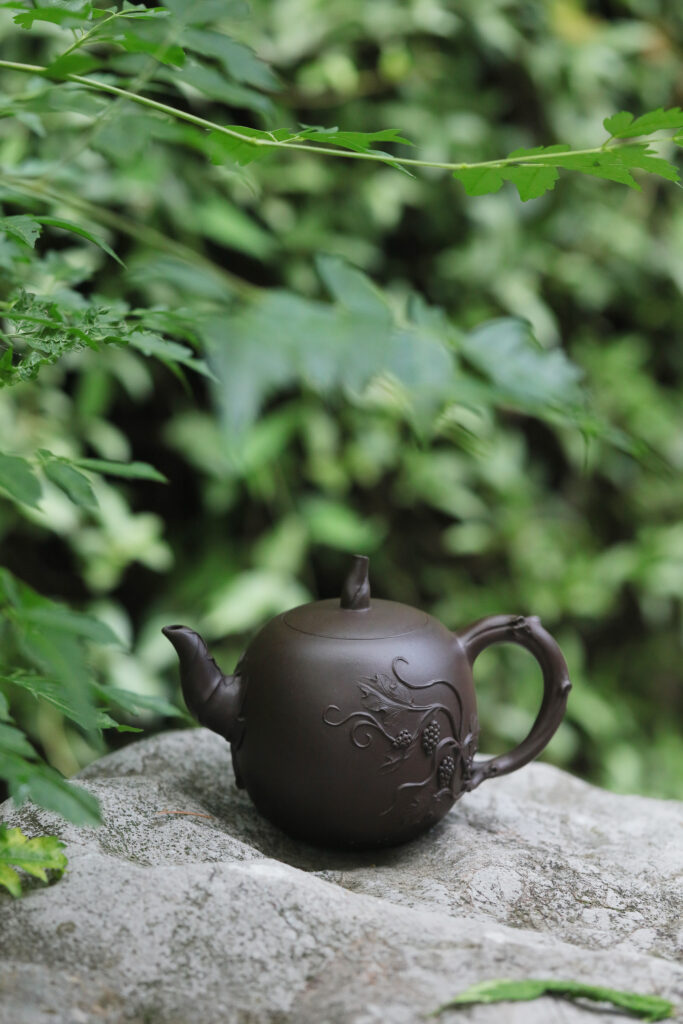
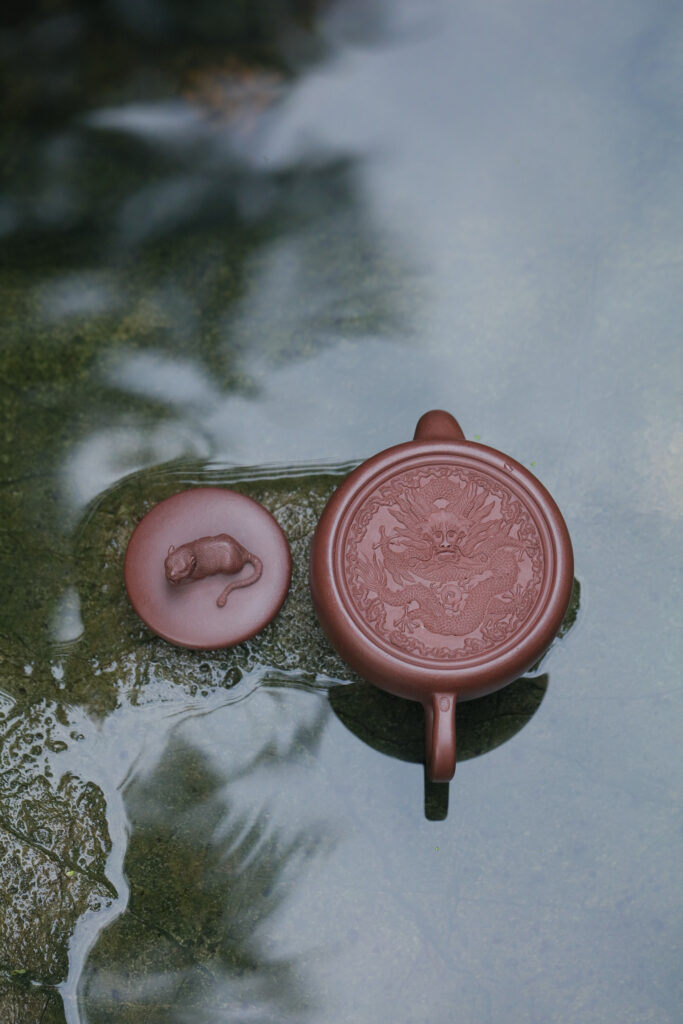
Several of Tang Chaoxia’s teapots have become especially well known among collectors. Her Bee-and-Chrysanthemum teapot divides the body into sixteen even petals that read, from above, like a chrysanthemum in full bloom, with a bee modeled onto the lid as though caught mid-pollination. Her Autumn Charm teapot, one of her signature ribbed-body pieces, divides its surface into twenty-six precise panels; fans of her work have suggested its full, rounded form reflects a sense of quiet contentment as much as it does the season it’s named for. And her Dual-Color Persimmon teapot takes its rounded shape from the persimmon fruit, a form favored in Chinese decorative arts partly because the word for persimmon sounds like the word for affairs, giving the piece an underlying wish for smooth, trouble-free outcomes.
Four decades in, Tang Chaoxia’s work continues to draw attention from collectors and fellow artisans alike, a reflection of both her technical discipline and the deep well of family tradition she draws from.